
Resume Tips That Actually Work in 2026: What’s Changed, What Matters, and How to Stand Out
Resume Tips That Actually Work in 2026: What’s Changed, What Matters, and How to Stand Out
Your resume is your first impression — and in 2026, that impression is being judged by both algorithms and humans before you ever shake a hand or join a video call. The rules of resume writing have shifted dramatically over the past few years, driven by AI-powered hiring tools, skills-based recruitment, and a job market that rewards precision over volume. Here at Your Career Place, we’ve been tracking these changes closely, and we want to give you the most up-to-date, actionable advice to help your resume rise to the top of the pile.
Whether you’re a recent graduate entering the workforce, a mid-career professional eyeing a pivot, or a seasoned executive refreshing a document that hasn’t been touched in years, this guide is for you. Let’s break down what’s working, what’s not, and how to craft a resume that gets results in today’s competitive landscape.

What’s Happening in the World of Resumes Right Now
The resume landscape in 2026 is being shaped by several powerful forces that every job seeker needs to understand:
Skills-First Hiring Is Now the Norm
According to research from Forbes (March 2026), a significant percentage of recruiters now look at the skills section of a resume first, before reading anything else. Applicant Tracking Systems (ATS) — the software that screens resumes before a human ever sees them — filter candidates by skills before job titles or company names. This is a fundamental shift from the traditional chronological career narrative.
The AI Catch-22
A Greenhouse survey from October 2026 found that 6 in 10 job seekers are actively rethinking how they write to avoid sounding like AI — even as most of them use AI tools in their job search. The result is a paradox: AI is everywhere in hiring, but resumes that read as entirely AI-generated are being flagged and rejected. Career experts at CNBC Make It (September 2026) call this the “recruiter wasteland” — a sea of indistinguishable, generic applications that blur together.
ATS Optimization Is Non-Negotiable
Research from Monster’s State of the Resume 2026 report found that 77% of job seekers express anxiety about ATS filtration — and for good reason. Most mid-to-large employers use these systems to screen out candidates before a human reviewer ever gets involved. Clean formatting, standard section headings, and keyword alignment are no longer optional extras; they’re table stakes.
Quantified Achievements Over Generic Duties
A Randstad career guide updated in October 2026 emphasizes that listing job duties is one of the most common and costly resume mistakes. Recruiters want to see what you accomplished, not just what you were hired to do. The shift from “managed a team” to “led a team of 8 that reduced project delivery time by 30%” is the difference between a resume that gets read and one that gets deleted.
The One-Page Rule Is Dead (For Most People)
According to Kickresume’s 2026 resume statistics, nearly half of all job seekers now use resumes longer than one page, with 30% using two or more pages. For experienced professionals, a curated two-page resume that tells a compelling story is far more effective than a cramped one-pager that omits critical context.
🌟 The Boomer Perspective: Timeless Principles Still Win
There’s a reason the fundamentals of resume writing have endured for decades — because they work. From the optimistic, experience-driven viewpoint, the 2026 resume landscape is actually an opportunity, not a minefield.
Authenticity is your competitive advantage. In a world flooded with AI-generated applications, a resume that reflects genuine experience, real accomplishments, and a distinct professional voice stands out more than ever. Decades of career wisdom tell us that substance always beats style. If you’ve done meaningful work, the resume is simply the vehicle for communicating that — and no algorithm can replicate the depth of real human achievement.
The basics haven’t changed — they’ve just been amplified. Clean formatting, clear writing, and honest representation of your skills and experience have always been the gold standard. ATS systems are essentially enforcing what good resume writers have always recommended: no clutter, no fluff, no gimmicks. The professionals who built their careers on clear communication and measurable results are perfectly positioned for this environment.
Experience is a differentiator, not a liability. Skills-based hiring might seem like it disadvantages experienced workers, but the opposite is true for those who know how to frame their background. A 20-year career is a treasure trove of quantifiable achievements, leadership moments, and industry expertise. The key is translation — converting that rich history into the language of modern hiring. Here at Your Career Place, we believe that career experience, properly presented, is the most powerful asset any job seeker can have.
Relationships still matter. No resume, however perfectly optimized, replaces the power of a referral or a warm introduction. The most effective job seekers in 2026 combine a strong resume with active networking — and that’s a strategy that has worked in every era of the job market.
😟 The Doomer Perspective: The System Is Stacked Against You
Let’s be honest about the challenges. For many job seekers, the 2026 resume landscape feels less like a level playing field and more like an obstacle course designed to filter people out before they ever get a fair shot.
ATS systems are imperfect gatekeepers. These algorithms are designed to find matches, not to recognize potential. A highly qualified candidate whose resume uses slightly different terminology than the job description may be automatically rejected — never seen by human eyes. The irony is that the very tools designed to make hiring more efficient may be making it less fair. Career researchers have documented cases where candidates with decades of relevant experience were screened out because their resume didn’t contain the exact keyword phrase the system was looking for.
The AI arms race is exhausting and inequitable. Job seekers who can afford premium AI resume tools, professional resume writers, and career coaches have a significant advantage over those who can’t. The democratization of AI was supposed to level the playing field, but in practice, it’s created a new kind of resume inequality. Those with resources can optimize endlessly; those without are left guessing.
Mass applications have devalued individual effort. When AI tools allow some candidates to apply to hundreds of jobs with minimal effort, it floods the market and makes it harder for thoughtful, targeted applicants to get noticed. Recruiters are overwhelmed, response rates have dropped, and the job search has become a numbers game that rewards volume over quality — at least in the short term.
The goalposts keep moving. Just when job seekers master one set of resume rules, the landscape shifts again. ATS algorithms update, hiring trends change, and what worked two years ago may actively hurt you today. For workers who are already stretched thin — managing jobs, families, and financial pressures — keeping up with the ever-evolving resume meta feels like a full-time job in itself.
Key Takeaways: What You Should Do Right Now
At Your Career Place, we believe in cutting through the noise and giving you practical, actionable steps. Here’s what the research tells us actually works in 2026:
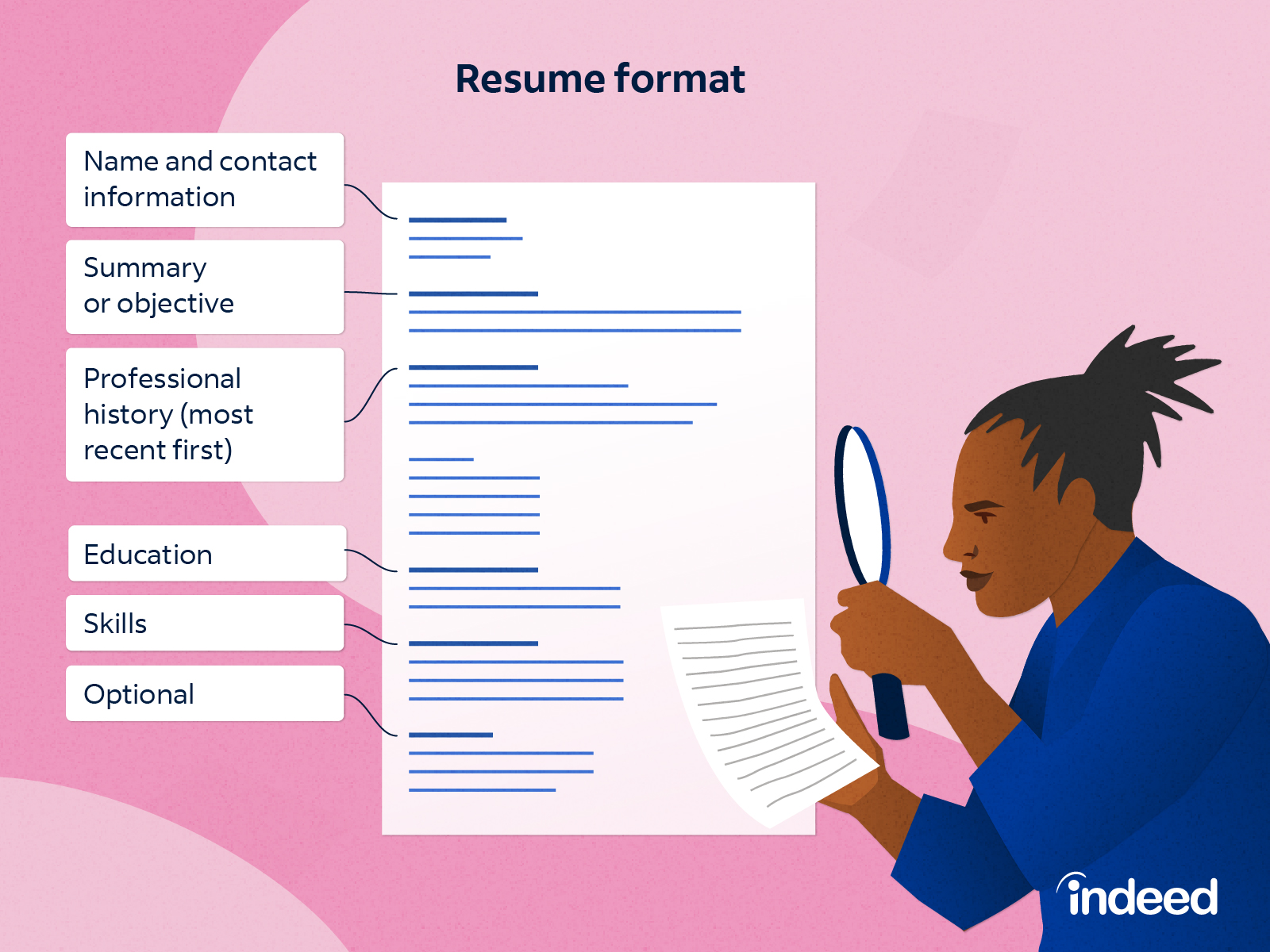
- Lead with a strong professional summary. Replace any outdated objective statement with a 2-3 sentence summary that immediately communicates who you are, what you bring to the table, and what kind of role you’re targeting. This is your elevator pitch — make it count.
- Put your skills front and center. Given that ATS systems and recruiters both prioritize skills, consider a hybrid or combination resume format that places a core competencies section near the top, before your work history. Include both hard skills (specific tools, technologies, certifications) and relevant soft skills.
- Quantify everything you can. For every bullet point in your experience section, ask yourself: “Can I add a number here?” Revenue generated, costs reduced, team size managed, projects delivered on time — metrics transform generic duties into compelling evidence of your value.
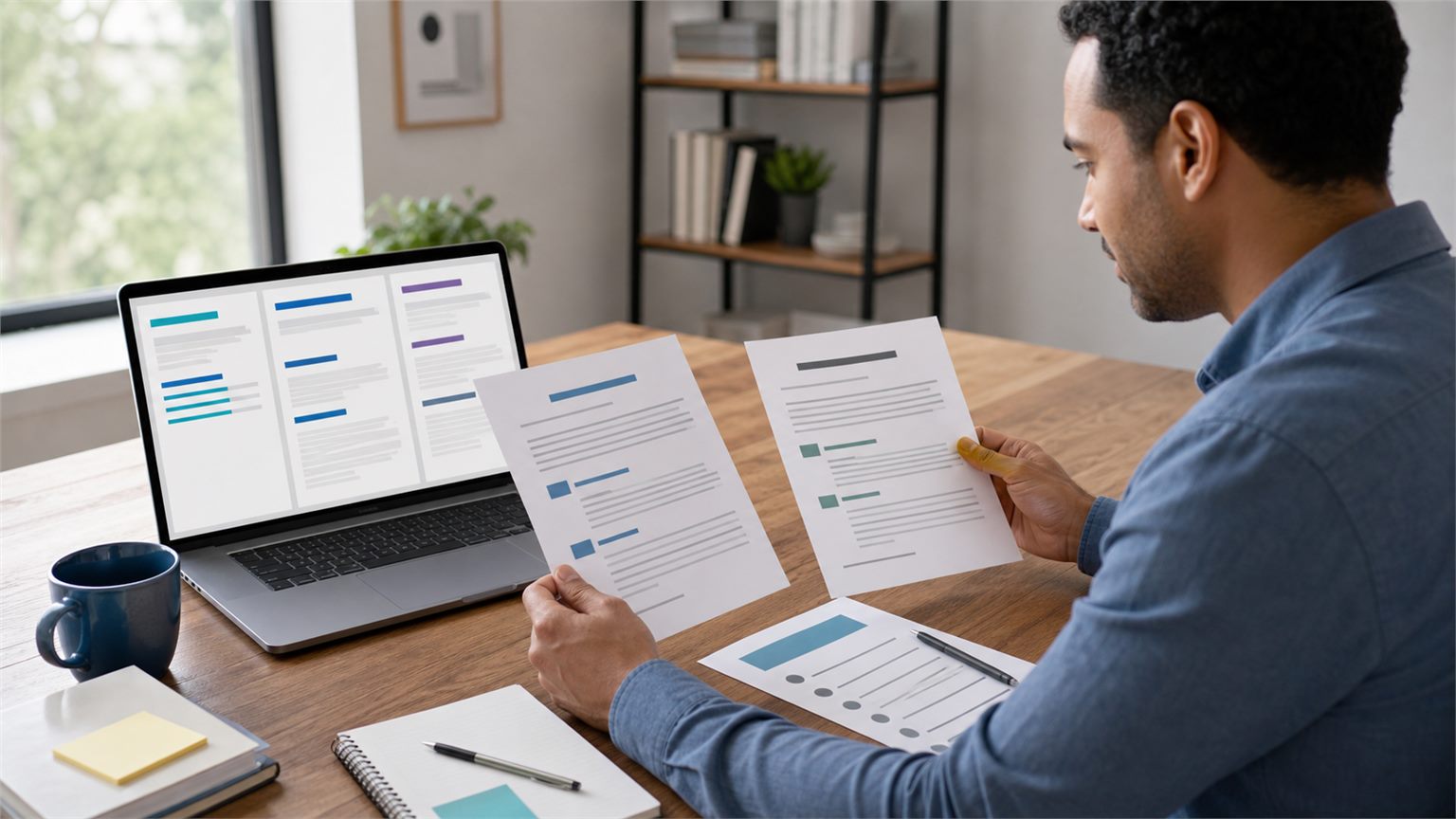
- Tailor every application. Yes, it takes more time. But a resume customized to a specific job description — with keywords and phrases drawn directly from the posting — dramatically outperforms a generic one. Maintain a master resume and create targeted versions for each application.
- Use AI as an assistant, not a ghostwriter. AI tools can help you identify keyword gaps, tighten phrasing, and structure bullet points — but every word on your resume must reflect your actual experience. You need to be able to speak confidently about everything on that page in an interview.
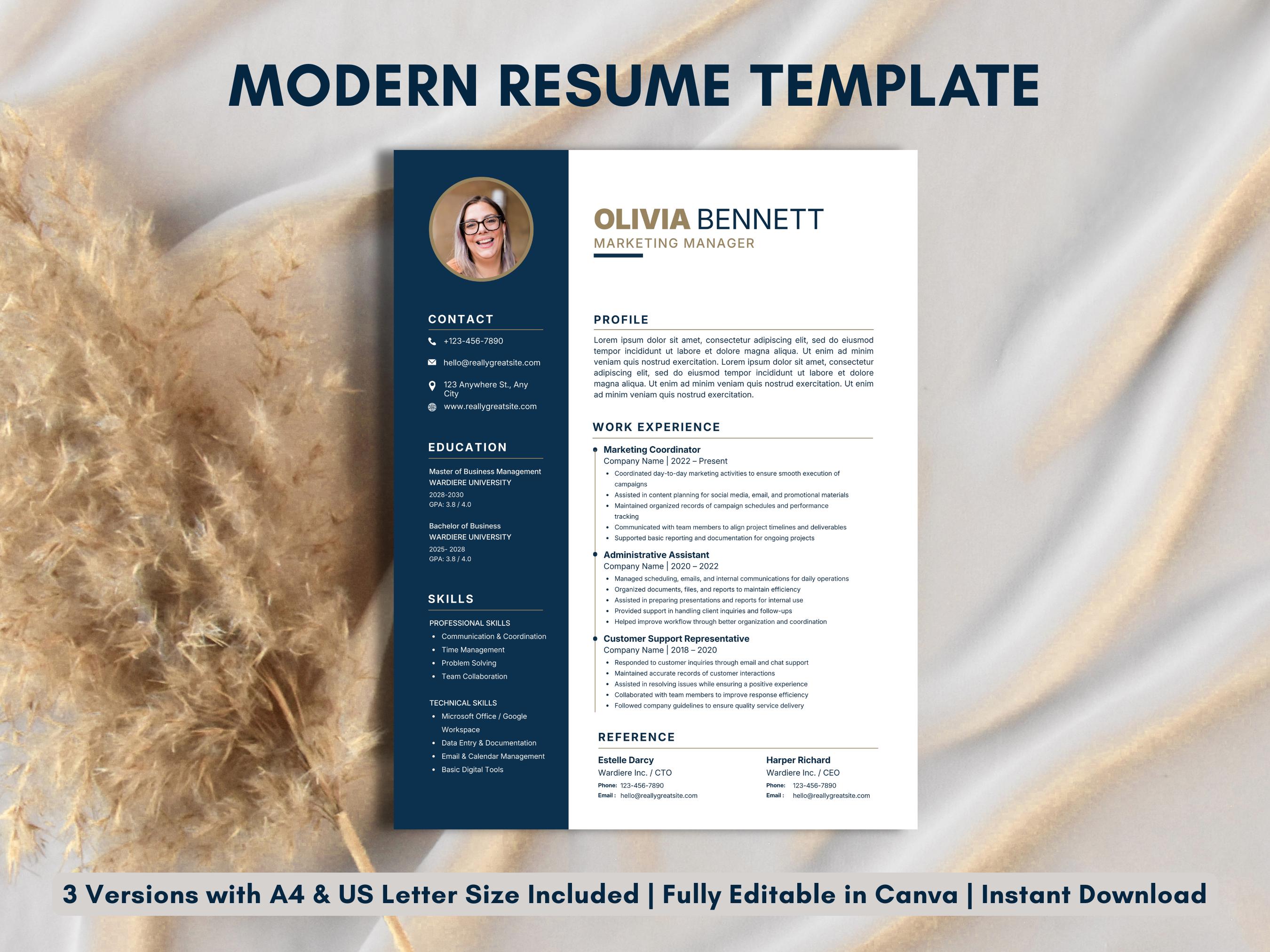
- Keep formatting clean and ATS-friendly. Single-column layout, standard fonts (Arial, Calibri, or Georgia), standard section headings (Experience, Education, Skills), and .docx or clean PDF format. Avoid graphics, text boxes, columns, and anything that might confuse a parsing system.
- Align your resume with your LinkedIn profile. Recruiters cross-reference these constantly. Inconsistencies in dates, titles, or accomplishments raise red flags. Make sure your digital footprint tells a consistent, compelling story.
- Don’t neglect the human element. A brief mention of relevant volunteer work, professional associations, or unique skills can make you memorable and give interviewers a natural conversation starter. Your resume should feel like a person wrote it — because one did.
Conclusion: Your Resume Is a Living Document
The most important mindset shift for 2026 is this: your resume is not a historical record — it’s a strategic marketing document. It should be updated regularly, tailored thoughtfully, and treated as the foundation of your professional brand.
The job market is competitive, the tools are evolving, and the rules keep changing. But the core truth hasn’t changed: employers hire people who can clearly demonstrate the value they bring. Your resume is your opportunity to make that case before you ever walk in the door.
Here at Your Career Place, we’re committed to helping you navigate every twist and turn of your career journey — from crafting a standout resume to acing the interview and negotiating the offer. The job market of 2026 rewards those who are prepared, strategic, and authentic. With the right resume in hand, that can absolutely be you.
Ready to take the next step? Explore more career resources, tips, and tools at Your Career Place — because your career deserves a place where it can thrive.
Sources: Forbes | Monster | CNBC Make It | Greenhouse | Randstad | Kickresume