
AI Data Analytics in 2026: The Small Business Superpower You’re Finally Ready For
AI Data Analytics in 2026: The Small Business Superpower You’re Finally Ready For
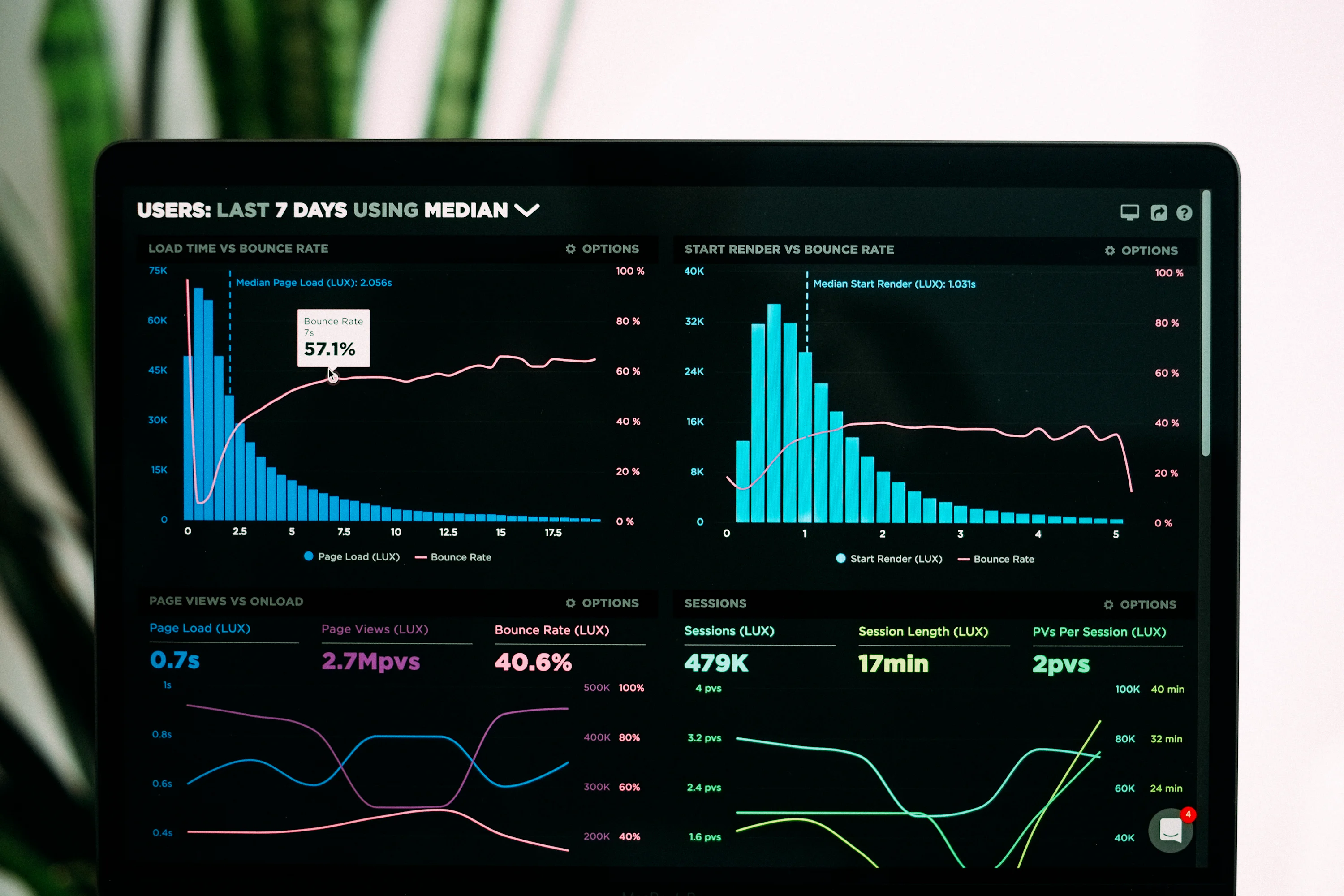
AI-powered dashboards now let small business owners ask questions in plain English and get instant answers from their own data.
Not long ago, “data analytics” was something only big companies could afford. You needed a dedicated analyst, expensive software, and weeks of setup before you could answer a question like “which of my customers are most likely to churn?” or “am I going to run out of inventory before the holiday rush?”
That’s changing fast. In 2026, AI analytics tools have become genuinely accessible to small businesses — and several of the platforms you’re probably already paying for (Microsoft 365, QuickBooks, Zoho) have added AI features that can answer those questions in plain English, right now.
But “accessible” doesn’t mean “simple.” The landscape is crowded, pricing is confusing, and the gap between what vendors promise and what small businesses actually experience can be significant. At Your Career Place, we’ve dug into the latest developments so you don’t have to.
What’s Actually New in 2026
This year brought a wave of meaningful updates across the major analytics platforms. Here’s what changed:
Microsoft: Copilot Gets Smarter (and Pricier)
Microsoft’s April 2026 Power BI update added fuller conversational interaction with reports on mobile devices, and the Narrative visual now defaults to Copilot mode for eligible users. If you’re already in Microsoft 365, Copilot for Excel lets you ask questions like “why did my sales drop in March?” and get a plain-English explanation — no formulas required.
The catch? Deep Copilot integration requires a paid Copilot license on top of your existing Microsoft 365 subscription. As of July 2026, that’s $21/user/month for businesses under 300 employees. And if you want the full Power BI Copilot experience, you may need enterprise-level capacity that runs into thousands of dollars per month — well beyond most small business budgets.
QuickBooks: AI Comes to Your Accounting
Intuit’s August 2026 release expanded “Intuit Intelligence” across QuickBooks Online. New features include conversational business intelligence (ask questions about your finances in plain English), AI-assisted transaction categorization, anomaly detection, and a beta feature called “Invoicing on Autopilot.” KPI dashboards are now available even on Essentials and Plus plans.
The downside: these improvements came with price increases. QuickBooks Plus jumped from $115 to $140/month, and Advanced went from $275 to $340/month. If you’re already a QuickBooks user, the AI features are now baked in — but you’re paying more for them.
Zoho Analytics: The Small Business Sleeper Hit
Zoho’s “Ask Zia” feature has been quietly getting better. You can now create charts, dashboards, and reports just by typing a question — no SQL, no formulas. Zoho is also rolling out “Zia Agents” that can perform multi-step tasks across Zoho applications. For cost-conscious small businesses, Zoho Analytics starts at around $8/user/month with AI included — making it one of the most accessible options on the market.
Google Looker and Tableau: Powerful, But Pricey
Both platforms made significant AI advances in 2026 — Looker added “golden queries” that help AI answer complex questions consistently, while Tableau launched “agentic analytics” with conversational exploration and proactive insights. But both require sales quotes, and the advanced AI features are typically bundled into premium packages that can be cost-prohibitive for smaller operations.

Modern AI analytics tools can turn raw business data into clear visual insights — no data science degree required.
What Small Businesses Are Actually Using AI Analytics For
The most practical use cases in 2026 aren’t about building complex dashboards. They’re about answering specific, high-value questions faster:
- Inventory forecasting: “Which products are likely to run out before the end of the month?” A retailer can get a ranked list of stockout risks without manually crunching spreadsheets.
- Customer behavior: “Which customers haven’t bought from us in 90 days?” or “What products do our best customers buy together?” These questions used to require a CRM analyst. Now they can be answered in seconds.
- Sales trends: “Why did revenue drop last week?” AI can compare current performance to prior periods, flag unusual movements, and generate a plain-English explanation for your team.
- Financial insights: “Which expense categories grew the most this quarter?” or “Which invoices are most overdue?” QuickBooks’ AI is particularly strong here, connecting financial data to actionable recommendations.
The key insight from Your Career Place: the best first use case isn’t the most ambitious one. Start with one specific, measurable decision — like weekly inventory replenishment or overdue invoice follow-up — and build from there.
Platform Comparison: Which Tool Is Right for Your Business?
| Tool | Best For | AI Strengths | Main Catch |
|---|---|---|---|
| Microsoft Copilot for Excel | Microsoft 365 users | Natural-language help inside familiar tools | Requires paid Copilot license; deep features need enterprise capacity |
| QuickBooks Online | Finance-focused businesses | Conversational financial insights, anomaly detection, invoice automation | Narrower scope; significant 2026 price increases |
| Zoho Analytics + Ask Zia | Cost-conscious SMBs, Zoho users | Conversational reporting, automated insights, AI included in base price | Autonomous agents have separate usage costs |
| Google Looker | Google Cloud-committed businesses | Strong semantic layer, verified queries, conversational analytics | Quote-only pricing; implementation costs add up |
| Tableau | Data-mature teams, Salesforce users | Rich visualization, proactive insights, agentic analytics | Advanced AI in premium packages only |

For many small businesses, the right analytics setup is simpler than you think — and already within reach.
🌟 Boomer’s Perspective: This Is the Moment Small Businesses Have Been Waiting For
For decades, data analytics was the exclusive domain of large corporations with dedicated IT departments and six-figure software budgets. Small business owners made decisions based on gut instinct, monthly reports, and whatever their accountant told them at tax time. That era is ending.
In 2026, a restaurant owner can ask their POS system why Tuesday nights are slow and get a data-backed answer. A retailer can find out which products are likely to sell out before the weekend — automatically. A service business can identify which clients are at risk of leaving before they actually do. These aren’t hypothetical capabilities. They’re available today, in tools that cost less per month than a tank of gas.
The adoption numbers tell the story. Intuit’s research across more than 34,000 small business owners found that regular AI use jumped from 48% in mid-2024 to 77% by early 2026. Daily AI use reached 41% by July 2026. Small businesses that are leaning into these tools are making faster, smarter decisions — and they’re doing it without hiring a data analyst.
At Your Career Place, we see this as one of the most significant leveling-of-the-playing-field moments in small business history. The tools are here. The question is whether you’re going to use them.
The practical path forward is straightforward: pick one decision that costs you time or money when you get it wrong — inventory, invoicing, customer retention — and find the AI analytics tool that addresses it. You don’t need to boil the ocean. You need one win that proves the value, and then you build from there.
⚠️ Doomer’s Perspective: Accessible Doesn’t Mean Reliable — And the Risks Are Real
The enthusiasm around AI analytics is understandable, but small business owners should approach it with clear eyes. The gap between what these tools promise in demos and what they deliver in real-world small business environments can be significant — and the consequences of bad data-driven decisions can be worse than no data at all.
Start with the data problem. AI analytics tools are only as good as the data you feed them. Industry research found that 84% of data and analytics leaders said their data strategies needed a complete overhaul to support AI. Another study found that 89% of technical leaders with AI in production had encountered inaccurate or misleading outputs. If your inventory records have duplicates, your customer data is incomplete, or your expense categories are inconsistent, AI won’t fix that — it will confidently give you wrong answers based on bad inputs.
Then there’s the pricing complexity. Microsoft’s Copilot sounds affordable at $21/user/month until you discover that the deep Power BI features require enterprise-level capacity that can cost thousands per month. QuickBooks just raised prices significantly — Advanced is now $340/month — while simultaneously adding AI features that may or may not be relevant to your specific business. Zoho’s base price looks great until you start building autonomous agents and discover token-based usage charges.
There’s also the automation risk. These tools are increasingly capable of taking actions, not just providing insights. An AI that can automatically send invoice reminders, adjust inventory orders, or flag transactions for review sounds helpful — until it does something wrong at scale. A misconfigured automation can send hundreds of incorrect emails to customers, place orders you didn’t intend, or flag legitimate transactions as suspicious.
The team at Your Career Place wants to be direct: the right approach in 2026 is to keep humans in the loop for any consequential decision. Use AI for recommendations, not autonomous execution. And before you trust any AI-generated insight, verify it against your source data. The tools are impressive. They are not infallible.
📋 Key Takeaways
- AI analytics is genuinely accessible in 2026 — tools like Zoho Analytics, QuickBooks AI, and Microsoft Copilot for Excel bring real analytical power to small businesses without requiring a data team.
- Start narrow, not broad. Pick one specific, measurable decision — inventory replenishment, overdue invoices, customer churn — and prove value there before expanding.
- Pricing is more complex than it appears. Always verify what’s included in your base subscription versus what requires additional AI licensing, capacity, or usage charges.
- Your data quality determines your results. Clean, consistent, well-defined data is the foundation. AI cannot rescue inaccurate or incomplete records.
- Keep humans in the loop. Use AI for recommendations and insights. Require human approval for any consequential action — payments, orders, customer communications.
- Zoho Analytics is the most accessible general-purpose option for cost-conscious small businesses. QuickBooks AI is the strongest choice if your primary need is financial insights.
- Adoption is accelerating. Businesses that build data-driven decision habits now will have a meaningful competitive advantage over those that wait.
Your 90-Day Action Plan
Not sure where to start? Here’s the practical path that Your Career Place recommends:
- Days 1–30: Identify one decision that costs you time or money when you get it wrong. Document the current process and establish a baseline. Clean up the data that feeds that decision — remove duplicates, standardize categories, reconcile totals.
- Days 31–60: Deploy your chosen tool to a small group. Test it with real questions, including edge cases. Compare AI answers to your source data. Keep everything in recommendation mode — no automated actions yet.
- Days 61–90: Measure the actual impact. Did you save time? Avoid a stockout? Collect overdue invoices faster? If yes, expand. If not, figure out whether the problem is the tool, the data, or the use case — and adjust accordingly.
The goal isn’t to adopt the most sophisticated AI platform. It’s to make one important decision better, faster, and more consistently. That’s where the real value lives — and it’s more achievable than most small business owners realize.
For more practical guidance on AI tools, career development, and small business strategy, keep following Your Career Place at yourcareerplace.com. We’re here to help you navigate the tools and trends that actually matter for your business.
Ready to Make Smarter Business Decisions?
Your Career Place is your go-to resource for practical AI guidance, career insights, and small business strategy. Visit us at yourcareerplace.com and join thousands of small business owners who are using AI to work smarter — not just harder.