Resume Tips That Actually Work in 2026: What’s Changed, What Matters, and How to Stand Out
Resume Tips That Actually Work in 2026: What’s Changed, What Matters, and How to Stand Out
Your resume is still the single most important document in your job search — but the rules for writing a great one have shifted dramatically. In 2026, the combination of AI-powered applicant tracking systems (ATS), skills-based hiring, and a fiercely competitive job market means that the resume advice your parents gave you is almost certainly out of date. Here at Your Career Place, we’ve been tracking these changes closely, and we’re here to break down exactly what works, what doesn’t, and how you can craft a resume that gets you noticed — by both the robots and the humans on the other side of the screen.

What’s Happening in the Resume World Right Now
The resume landscape in 2026 is being shaped by several converging forces. Here’s a snapshot of the most important recent developments:
- ATS systems have gotten smarter — and pickier. Modern screening platforms like Workday, Greenhouse, and iCIMS no longer just scan for keywords. They now perform contextual scoring, evaluating whether a skill is merely mentioned or actually demonstrated through accomplishments. According to Resume Optimizer Pro, single-column resume templates achieve parse rates of 93–96%, while two-column or decorative templates often fall to 70–86% or lower.
- Skills-based hiring is the new normal. Employers are increasingly moving away from degree requirements and toward demonstrated competencies. The Interview Guys report that the “skills-first” resume format is now the dominant standard, with candidates leading with categorized expertise before diving into work history.
- AI literacy is now a must-have credential. Across industries, employers want to see that candidates can work alongside AI tools. Teal HQ notes that vague claims of being “AI-literate” are no longer enough — candidates need to describe specific tools they’ve used and the measurable results they achieved.
- The one-page rule is officially dead for experienced professionals. According to Merit America, a clean, well-formatted two-page resume is now perfectly acceptable for anyone with five or more years of experience — as long as it’s not padded with irrelevant information.
- Tailoring is no longer optional. That’s Good HR emphasizes that generic, one-size-fits-all resumes are increasingly ineffective. Recruiters expect candidates to mirror the exact language and terminology found in job descriptions.
- AI-generated “slop” is being flagged. While AI tools can help with drafting and optimization, NG Career Strategy warns that recruiters are becoming adept at spotting generic, repetitive AI-generated content that lacks authentic human insight.
The Boomer Perspective: “A Great Resume Is Still Your Golden Ticket”
For those who’ve been in the workforce for decades, the fundamentals of a strong resume haven’t changed as much as the headlines suggest — and that’s actually reassuring. The core principle remains the same: a resume is a marketing document, and your job is to sell your value clearly and compellingly.
From a Boomer perspective, the emphasis on quantifiable achievements is nothing new — it’s just being enforced more rigorously. Experienced professionals have always known that “managed a team” is far less impressive than “managed a 12-person team that delivered a 30% increase in quarterly revenue.” The difference now is that ATS systems are enforcing this standard automatically.
The good news for seasoned professionals? You have decades of real, measurable accomplishments to draw from. While younger candidates may struggle to fill two pages, mid-career and senior professionals often have the opposite problem — too much to say. The key is curation. Here at Your Career Place, we advise experienced professionals to think of their resume as a highlight reel, not a complete career history. Focus on the last 10–15 years, and ruthlessly cut anything that doesn’t directly support your target role.
The Boomer perspective also values the human element that no algorithm can replace: relationships, reputation, and referrals. The most effective job search strategy in 2026 still combines a polished resume with a strong professional network. A warm introduction from a trusted colleague will always outperform a cold application, no matter how perfectly optimized your resume is.
Key Boomer takeaway: The fundamentals are timeless. Quantify your achievements, keep it clean and professional, and let your track record speak for itself. The tools have changed; the principles haven’t.
The Doomer Perspective: “The Resume Is Broken — And It’s Getting Worse”
Not everyone is optimistic about the state of resume culture in 2026. A growing chorus of career experts, job seekers, and even hiring managers are raising serious concerns about a system that seems increasingly rigged against real human talent.
The Doomer case starts with ATS. When up to 97% of companies use automated screening systems, and those systems can reject a perfectly qualified candidate because their resume used a two-column layout or the wrong synonym for a key skill, something has gone fundamentally wrong. Talented professionals are being filtered out before a human ever lays eyes on their application — not because they’re unqualified, but because they didn’t know the technical rules of a game that changes constantly.
Then there’s the tailoring trap. Career experts now advise candidates to customize their resume for every single job application — mirroring exact keywords, reordering skills sections, rewriting summaries. For someone applying to dozens of jobs a week (which is increasingly necessary in a competitive market), this is an enormous time investment with no guarantee of return. The system is essentially asking job seekers to do the work of a marketing agency for every application.
The AI paradox makes things worse. Employers want candidates who are AI-literate, but they’re also using AI to screen out resumes that look too AI-generated. Job seekers are caught in a double bind: use AI tools to keep up with the volume of applications required, but make sure the output doesn’t look like it was written by AI. It’s an exhausting and demoralizing tightrope to walk.
Finally, there’s the question of what resumes actually measure. A beautifully optimized, keyword-rich resume may belong to a mediocre performer, while a brilliant, creative professional with a non-traditional background gets filtered out in the first round. The Doomer perspective argues that the resume, as a hiring tool, is fundamentally flawed — and that the industry’s response (more optimization, more AI, more tailoring) is making the problem worse, not better.
Key Doomer takeaway: The resume arms race is real, exhausting, and arguably counterproductive. Until hiring systems fundamentally change, job seekers are stuck playing a game with constantly shifting rules — and the house usually wins.
Key Takeaways: What You Should Actually Do
Whether you lean Boomer or Doomer on the resume debate, the practical reality is that you still need one — and it needs to be good. Here at Your Career Place, we’ve distilled the best current advice into actionable steps you can take today:
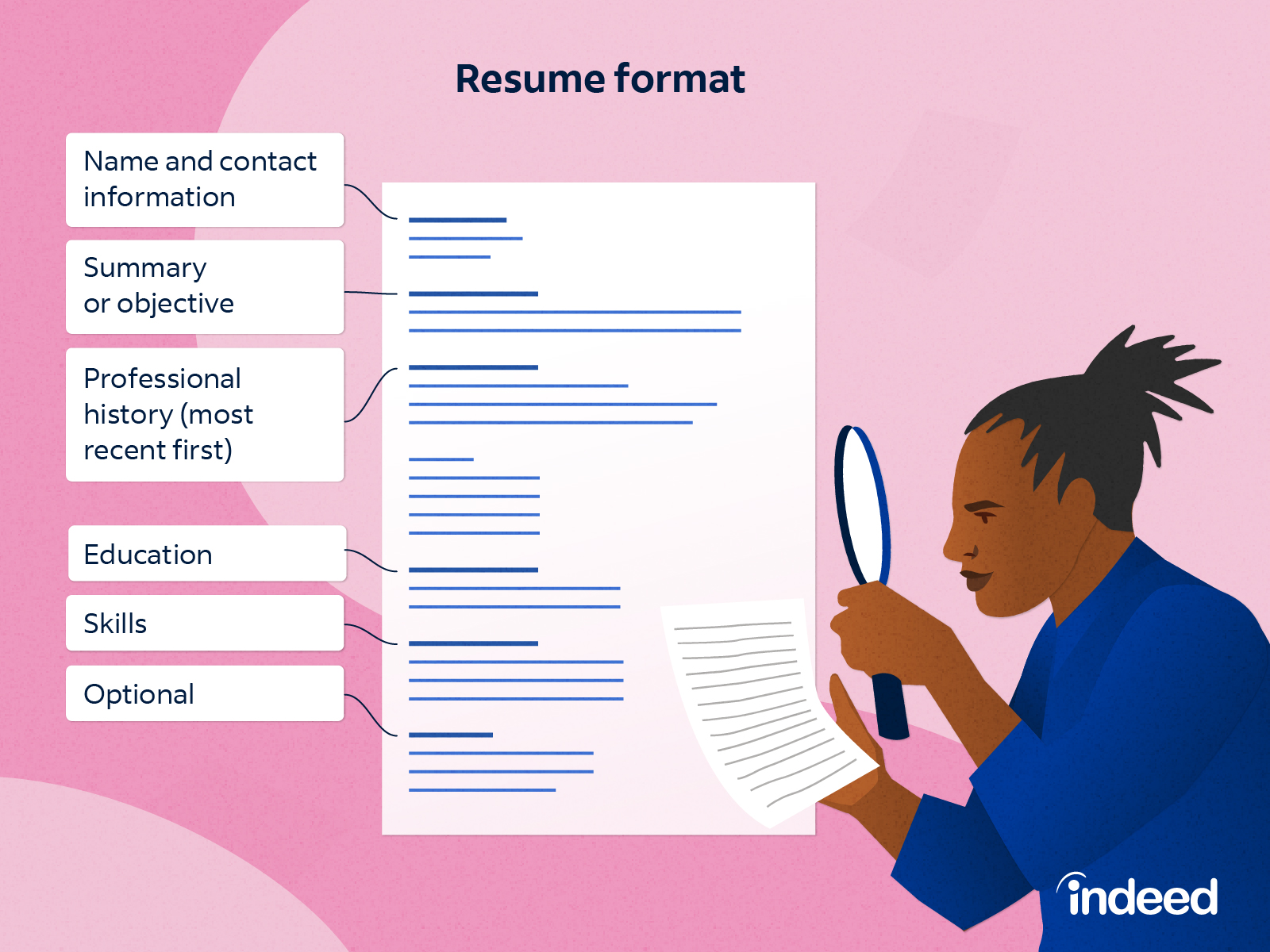
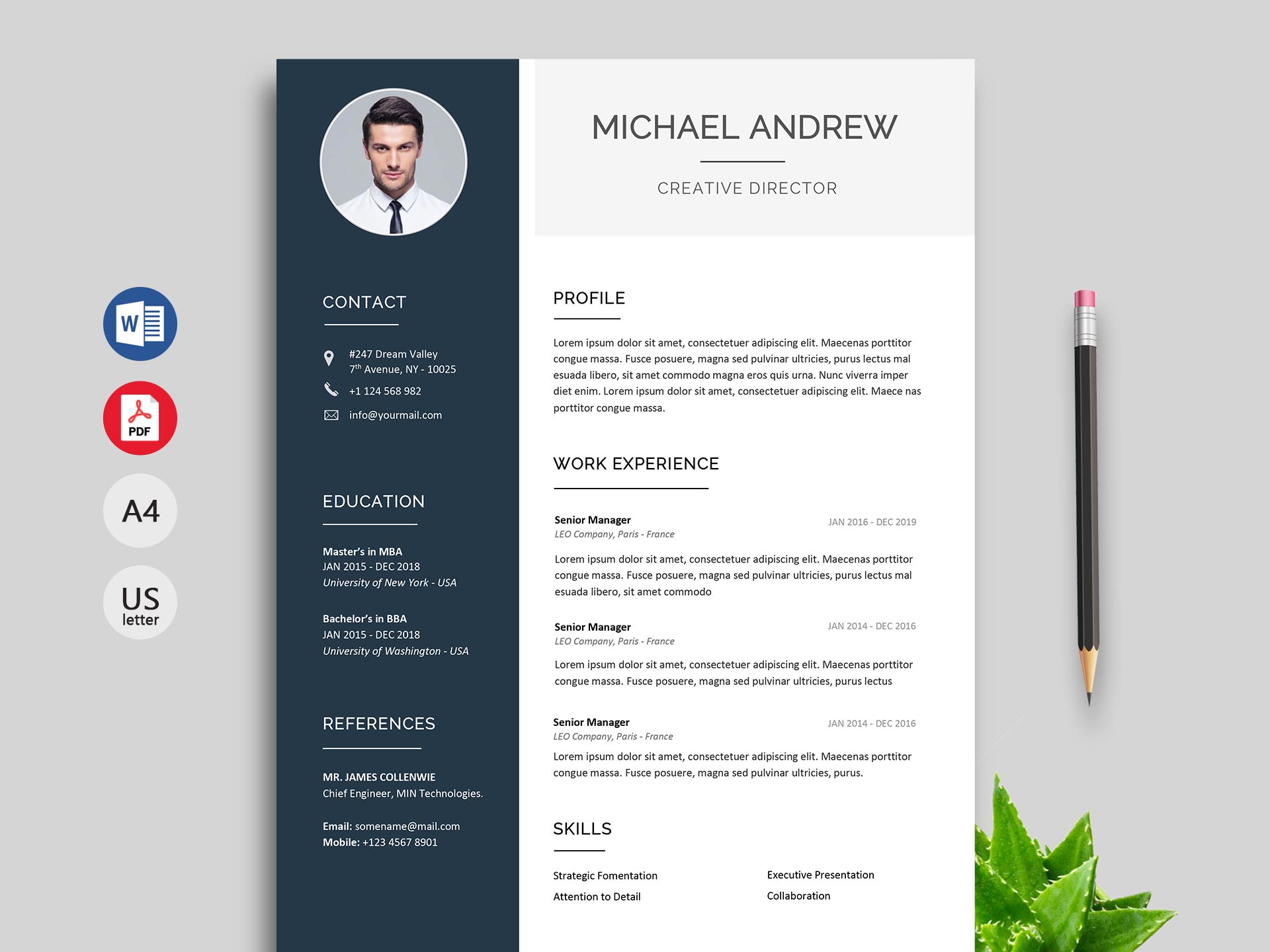
- Go single-column, always. Multi-column layouts, sidebars, skill bars, and decorative graphics are ATS killers. Use a clean, single-column format with standard fonts (Arial, Calibri, or Times New Roman at 10–12pt) and generous white space.
- Lead with a professional summary, not an objective statement. Your summary should be 2–4 lines that bridge your past experience to your target role. Make it specific, not generic. “Results-driven professional with 10 years of experience” tells a recruiter nothing.
- Quantify everything you can. Use the formula: Action Verb + Scope + Tool/Skill + Measurable Result. “Increased quarterly sales by 23% by implementing a new CRM workflow” is infinitely more compelling than “Responsible for sales growth.”
- Tailor strategically, not exhaustively. You don’t need to rewrite your entire resume for every application. Focus on updating your summary, reordering your top 3–5 skills, and mirroring the specific keywords used in the job description.
- Demonstrate AI literacy concretely. Don’t just claim you’re “AI-literate.” Describe specific tools you’ve used and the results you achieved. “Used ChatGPT to draft client communications, reducing writing time by 40%” is the kind of specificity that stands out.
- Address gaps honestly and briefly. Employment gaps are no longer the automatic red flags they once were — but unexplained gaps still raise questions. A brief, honest note (e.g., “professional development,” “caregiving,” “health”) removes uncertainty.
- Run the Notepad test. Before submitting, copy your resume text into a plain text editor. If it looks scrambled or missing sections, an ATS will struggle to read it. Fix the formatting before you apply.
- Keep your LinkedIn consistent. Recruiters routinely cross-reference resumes with LinkedIn profiles. Mismatched dates, job titles, or accomplishments are immediate red flags. Make sure both tell the same story.
- Use AI tools wisely. Platforms like Jobscan, Teal, and Resume Worded can help you optimize for ATS compatibility and identify missing keywords. But always review and personalize the output — recruiters can spot generic AI content, and you’re accountable for every claim on your resume.
- Remember the human element. A perfectly optimized resume is a floor, not a ceiling. The most effective job searches combine a strong resume with active networking, direct outreach, and relationship-building. Don’t let resume optimization consume all your job search energy.
Conclusion
The resume in 2026 is a more complex document than it’s ever been — shaped by AI screening, skills-based hiring, and a job market that demands both technical precision and authentic human storytelling. The Boomer in us knows that the fundamentals of clear, achievement-focused writing are timeless. The Doomer in us recognizes that the system is imperfect, exhausting, and sometimes deeply unfair.
But here’s what we know for certain at Your Career Place: the candidates who succeed are the ones who understand the rules of the game well enough to play it strategically — without losing sight of the human being behind the document. Your resume is a tool, not your identity. Use it wisely, keep it current, and pair it with the relationships and reputation that no algorithm can replicate.
Ready to take your resume to the next level? Explore more career resources and expert advice at Your Career Place — because your career deserves more than a template.