
Real Estate in Fall 2026: Is the Housing Market Finally Working in Your Favor?
Real Estate in Fall 2026: Is the Housing Market Finally Working in Your Favor?
If you’ve been watching the housing market with a mix of hope and frustration, you’re not alone. For the past few years, buying a home has felt like trying to catch a moving train — prices too high, rates too steep, and inventory too thin. But as we head into fall 2026, something is shifting. The question is: is it shifting in your direction?
At Your Career Place, we believe that understanding the real estate landscape is just as important as understanding your paycheck. Whether you’re a first-time buyer, a seasoned investor, or someone simply trying to figure out if renting still makes sense, this week’s deep dive into the housing market has something for you.

What’s Actually Happening in the Housing Market Right Now
Let’s start with the facts on the ground. The U.S. housing market in September 2026 is best described as a “Great Housing Reset” — a slow, sometimes painful recalibration after years of pandemic-era chaos.
Here are the key developments shaping the market this fall:
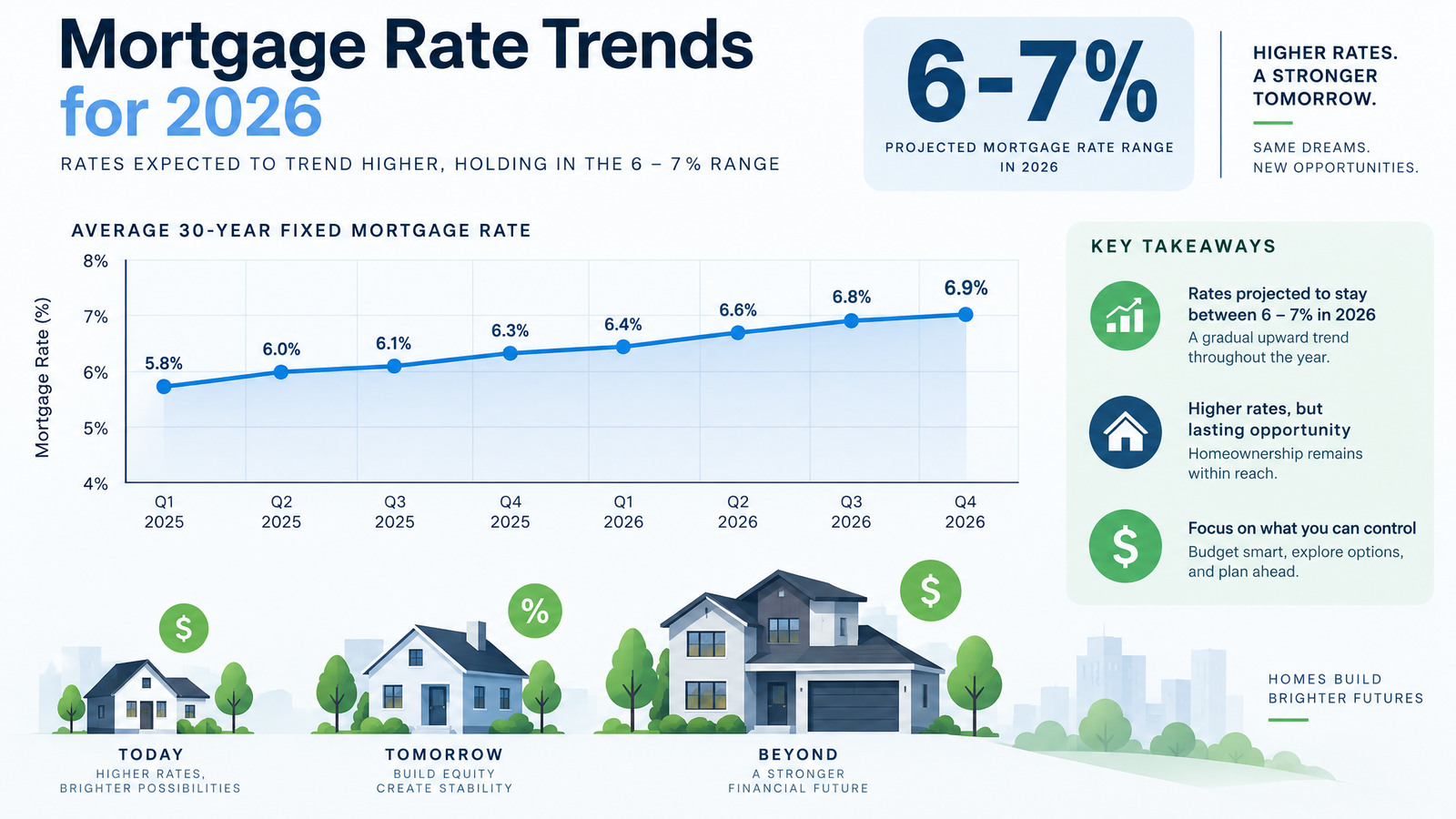
- Mortgage rates are hovering in the upper-6% range. The Federal Reserve’s decision to raise benchmark rates by 0.25% earlier this year pushed 30-year fixed mortgage rates back up after a brief period of relief. Major forecasters like Fannie Mae and the Mortgage Bankers Association expect rates to stay between 6.0% and 6.5% through the end of 2026.
- Inventory is finally climbing. Active listings have grown 5.4% year-over-year, reaching over 1.16 million homes — narrowing the gap to pre-pandemic levels to just 9.1%. That’s real progress, even if it doesn’t feel like it yet.
- Price cuts are at their highest since 2018. About 20.8% of active listings have seen price reductions — the highest September level in eight years. Sellers are finally blinking.
- Home prices remain stubbornly high. Median home prices have exceeded $400,000 nationally, and the cost-to-income ratio for homeownership sits near 35%. Buying is cheaper than renting in only about 2% of metro areas.
- The “lock-in effect” is slowly fading. Homeowners with sub-3% pandemic-era mortgages have been reluctant to sell and give up those rates. But life events — job changes, divorces, growing families — are forcing more listings onto the market.
- New legislation is in play. The 21st Century ROAD to Housing Act, signed into law in July 2026, introduces over 40 supply-side provisions aimed at boosting affordable housing, streamlining environmental reviews, and limiting institutional purchases of single-family homes. Full implementation begins in 2027.
- Commercial real estate is bifurcating sharply. AI-driven demand for data centers is booming, while traditional office space continues to struggle. Industrial and multifamily properties remain healthy, and retail is showing surprising resilience in grocery-anchored centers.
The bottom line? The market is rebalancing — slowly, unevenly, and with plenty of regional variation. The Northeast and Midwest are holding stronger, while Sun Belt and Western markets like Texas and Seattle are seeing more pronounced cooling.
The Boomer Perspective: “This Is the Opportunity We’ve Been Waiting For”
If you’re an optimist — or if you’ve lived through enough market cycles to know that patience pays — the fall 2026 housing market looks like a genuine window of opportunity.
Here’s the case for cautious optimism:
Buyers Have More Power Than They’ve Had in Years
Remember the frenzied bidding wars of 2021 and 2022? Those days are largely gone. With inventory rising and price cuts at multi-year highs, buyers now have room to negotiate on price, repairs, and closing costs. New construction is especially attractive right now — builders are offering rate buydowns, closing cost assistance, and in some cases, outright price cuts to move standing inventory.
If you’ve been sitting on the sidelines waiting for the market to cool, parts of it already have. The Sun Belt and Western markets that saw the most dramatic pandemic-era appreciation are now offering real deals for patient buyers.
Homeowners Are Sitting on Record Equity
For those who already own, the picture is remarkably strong. U.S. homeowners collectively hold a record $17.9 trillion in aggregate equity. That’s a financial cushion that prevents the kind of distressed selling and foreclosure wave that defined the 2008 crash. If you own a home, you’re likely in a much stronger financial position than you realize.
Real Estate Investment Is Rebounding
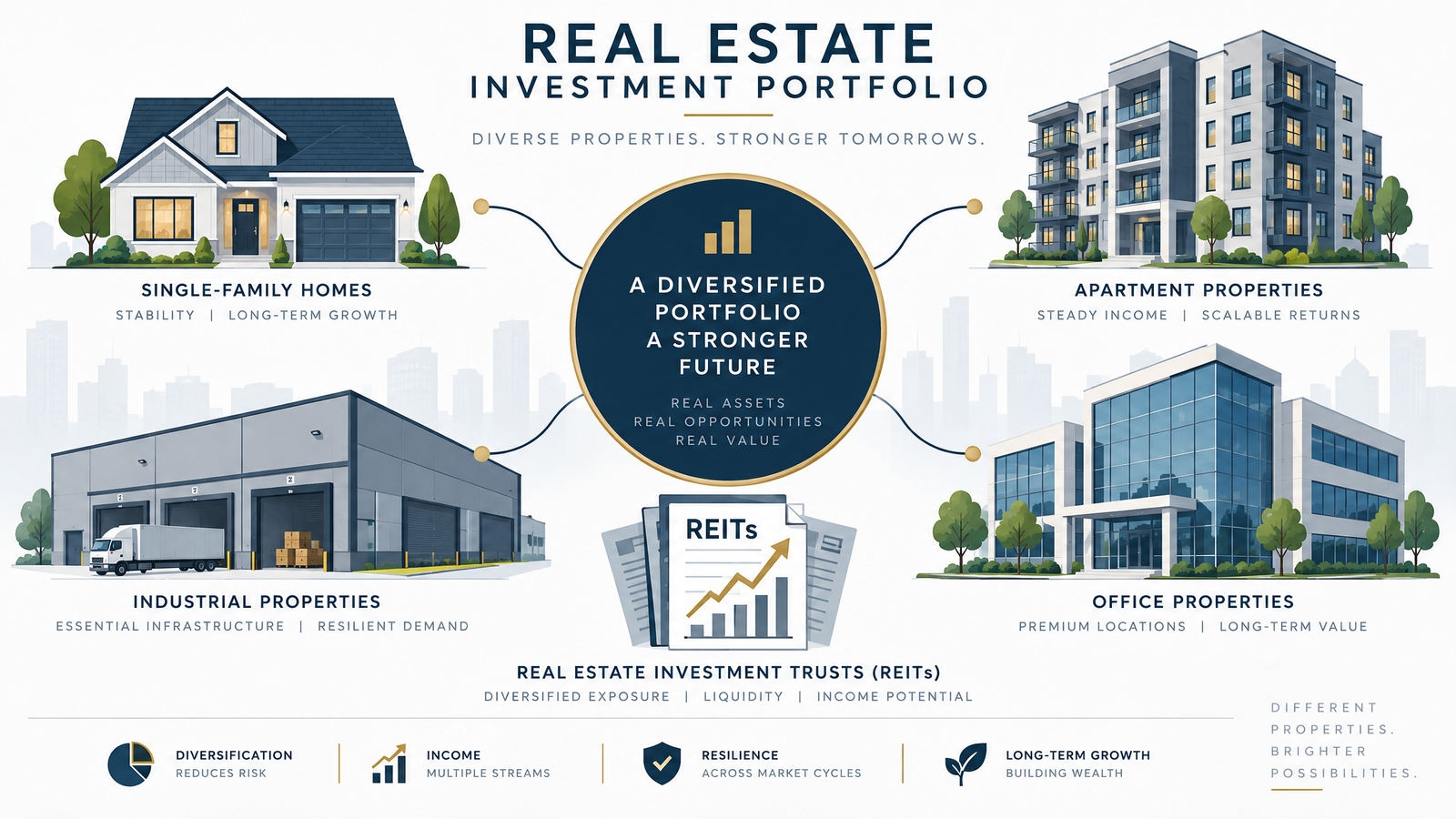
Commercial real estate investment volume is forecasted to increase by 16% in 2026, reaching approximately $562 billion — close to pre-pandemic averages. REITs are expected to deliver above-average funds from operations growth of roughly 6.5%. The PwC/ULI Emerging Trends barometer has reached a 20-year peak for buying opportunities. Sophisticated investors are moving back in.
The Long Game Still Wins
Real estate has always rewarded long-term thinking. Even with rates at 6-7%, buying a home in a supply-constrained market with strong fundamentals — good schools, job growth, infrastructure investment — remains one of the most reliable wealth-building strategies available to working Americans. At Your Career Place, we’ve seen this play out across generations: the people who bought when it felt uncomfortable often look back and call it the best financial decision they ever made.
The Doomer Perspective: “The Affordability Crisis Isn’t Going Away”
Of course, not everyone is feeling optimistic — and for good reason. The housing market’s problems are real, structural, and not going away anytime soon.
Affordability Is at Crisis Levels
Let’s be blunt: the math doesn’t work for millions of Americans. With median home prices above $400,000 and mortgage rates near 7%, a typical monthly payment on a new home purchase has roughly doubled compared to 2020. The Harvard Joint Center for Housing Studies has documented that homeownership is now financially out of reach for a significant portion of the workforce — not because people are irresponsible with money, but because wages simply haven’t kept pace with housing costs.
Buying is cheaper than renting in only about 2% of metro areas. That’s not a market signal — that’s a crisis.
The Lock-In Effect Is Still Choking Supply
Yes, inventory is improving — but slowly. The fundamental problem remains: millions of homeowners with 2.5-3% mortgages have no financial incentive to sell and take on a 6.5-7% mortgage on their next home. Until rates come down meaningfully, this “golden handcuff” effect will continue to suppress the supply of existing homes, keeping prices elevated even as demand weakens.
Contract Cancellations Are Rising
Nearly 12% of deals signed in June 2026 were cancelled before closing — a troubling sign that buyers are getting cold feet as financing terms shift between offer and closing. Rising rates, tighter lending standards, and economic uncertainty are all contributing to deals falling apart at the finish line.
The Housing Shortage Is Structural
The U.S. faces a shortage of approximately 1.2 million housing units — a gap that took decades to create and will take decades to close. New construction has provided some relief, but it’s concentrated in higher-priced segments. The affordable housing deficit is severe and growing. The 21st Century ROAD to Housing Act is a step in the right direction, but its provisions don’t fully kick in until 2027, and legislative solutions to housing shortages have a mixed track record.
Economic Headwinds Are Real
Inflation held at 3.4% in August 2026 — still above the Fed’s 2% target. Employment growth has slowed. Consumer confidence is near record lows. These aren’t the conditions that typically fuel a housing recovery. And with the Fed having just raised rates again, the path to meaningfully lower mortgage rates looks longer than many hoped.
Key Takeaways: What Should You Actually Do?
Whether you lean Boomer or Doomer on the housing market, here’s what Your Career Place recommends as practical, actionable guidance for fall 2026:
If You’re Thinking About Buying
- Focus on your personal finances first. Can you comfortably afford the payment at today’s rates without stretching? If the answer is yes, the market timing matters less than you think. If the answer is no, don’t let FOMO push you into a decision that could strain your finances for years.
- Look at new construction seriously. Builders are offering rate buydowns and incentives that can meaningfully reduce your effective interest rate. A 2-1 buydown on a new home could save you hundreds per month in the early years.
- Consider adjustable-rate mortgages (ARMs) carefully. ARMs are making a comeback as buyers seek lower initial payments. They can make sense if you plan to sell or refinance within 5-7 years — but understand the risks before signing.
- Negotiate hard. With 20%+ of listings seeing price cuts, there’s room to negotiate. Don’t be afraid to ask for seller concessions, repairs, or closing cost credits.
If You’re a Current Homeowner
- Don’t panic about market cooling. Your equity cushion is historically strong. Unless you need to sell, you’re in a solid position.
- Consider a HELOC for strategic investments. With $17.9 trillion in aggregate homeowner equity, tapping a portion for home improvements or debt consolidation can make financial sense — just don’t overextend.
- Think carefully before selling. If you have a sub-4% mortgage, the math of giving that up is brutal. Run the numbers before listing.
If You’re a Real Estate Investor
- Multifamily and industrial remain strong. Rental demand is robust, and industrial logistics continues to benefit from e-commerce growth.
- REITs offer an accessible entry point. With commercial real estate investment volume expected to rise 16% in 2026, REITs are trading at attractive valuations relative to broader stocks.
- Avoid distressed office assets unless you have a clear conversion plan. The office sector’s challenges are structural, not cyclical.
- Watch the Midwest. Markets like Columbus, Indianapolis, and Kansas City are showing emerging strength with better affordability fundamentals than coastal markets.
The Bottom Line
The fall 2026 housing market is neither the disaster the doomers fear nor the golden opportunity the boomers celebrate. It’s something more nuanced: a market in transition, with real opportunities for those who are financially prepared and real risks for those who aren’t.
The most important thing you can do right now is get clear on your own financial picture. What can you actually afford? What are your goals — stability, investment returns, building equity? How long is your time horizon? These questions matter more than any market forecast.
At Your Career Place, we’re here to help you think through these decisions with clear eyes and practical tools. The housing market will keep changing — but your financial foundation doesn’t have to.
Have questions about navigating the real estate market in 2026? Drop them in the comments below, or explore more personal finance resources at Your Career Place.
Disclaimer: This article is for informational and educational purposes only and does not constitute financial, investment, or legal advice. Real estate markets vary significantly by location, and individual circumstances differ. Always consult with a qualified financial advisor, real estate professional, or attorney before making significant financial decisions. Past market performance is not indicative of future results.