

Panel Interviews in 2026
How to Navigate the New Multi-Stakeholder Hiring Gauntlet
Imagine walking into a conference room—or logging into a Zoom call—and seeing not one, not two, but five, seven, or even nine people staring back at you, each with a notepad, a scoring rubric, and a slightly different idea of what “the perfect candidate” looks like. Welcome to the panel interview in 2026, where the stakes are higher, the scrutiny is fiercer, and the format has evolved from a casual group chat into a highly structured, multi-dimensional assessment machine.
If that sounds intimidating, you are not alone. A recent post on X captured the sentiment perfectly: “9-person panel interview. I made it out alive.” The sheer exhaustion in those words tells you everything you need to know about how job seekers are experiencing this trend. But here is the truth: panel interviews are not going anywhere. In fact, as companies shift toward “precision over scale” hiring strategies, they are becoming the default for leadership, technical, and even mid-level roles across nearly every industry.
At Your Career Place, we have spent the last several months tracking how interview formats are changing, and one thing is crystal clear: candidates who understand the psychology and structure of panel interviews have a massive edge over those who walk in unprepared. This guide breaks down everything you need to know about panel interviews in 2026—what has changed, what has not, and how to walk out of that room (or end that video call) with a job offer in hand.
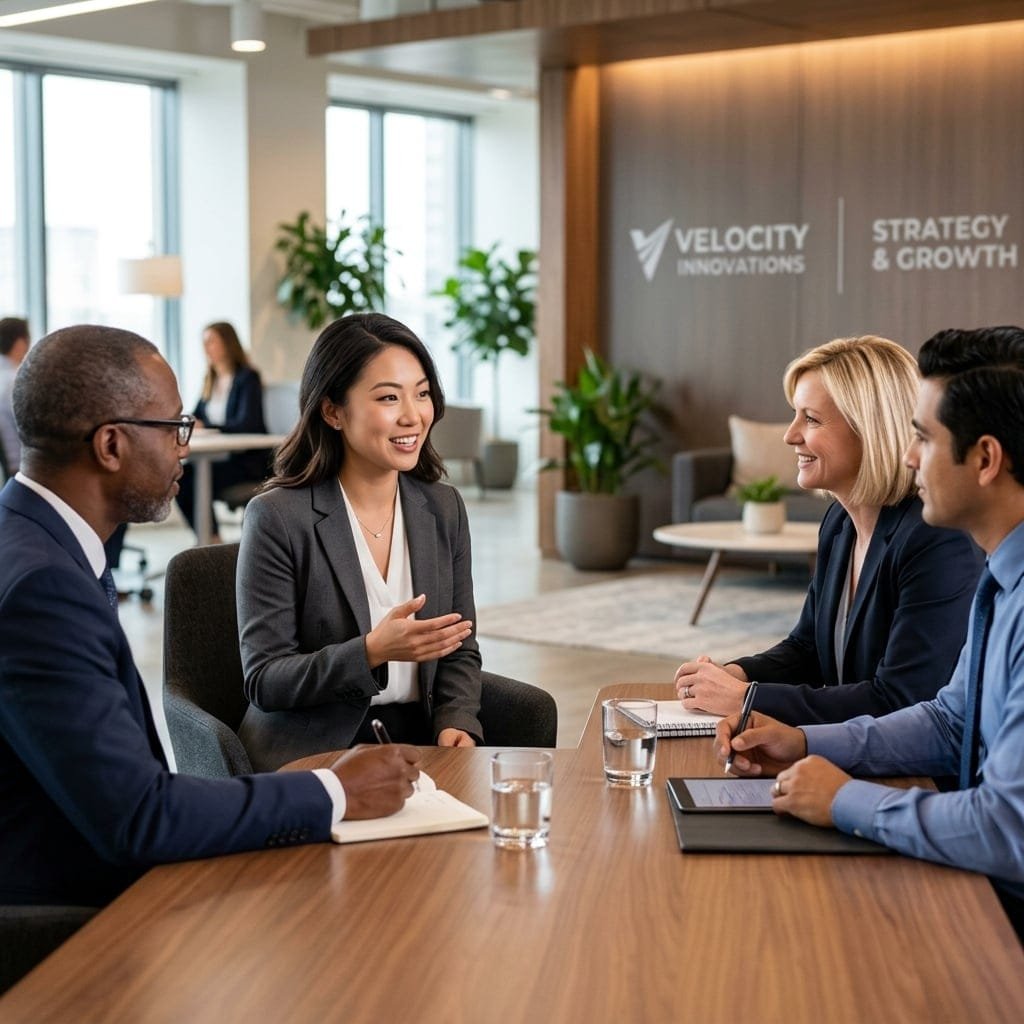
What Is Actually Happening in Hiring Right Now
The 2026 hiring landscape is not merely a continuation of post-pandemic norms. It is a fundamentally different ecosystem. Organizations are operating with leaner teams, heavily augmented by artificial intelligence, creating what industry analysts call a “low hire, low fire” environment. Every open requisition is scrutinized for its direct business impact. Approval cycles are longer. Time-to-fill metrics have ballooned. And because every hire represents a bigger risk to a smaller team, companies are throwing more evaluators at the problem.
Enter the panel interview. Once reserved for C-suite candidates or government jobs, panel interviews have gone mainstream. According to recent data, approximately 70 percent of hiring teams now use structured scoring rubrics during panel sessions. That means candidates are no longer being judged on “gut feelings” or casual conversation. They are being scored—often numerically—against predefined competencies like problem-solving, communication, leadership presence, and cultural alignment.
Behavioral questions dominate these rubrics. Interviewers want to see how you handle ambiguity, think through complex problems, and communicate under pressure. Technical knowledge still matters, but it is no longer the star of the show. The ability to tell a compelling story, to demonstrate emotional intelligence, and to engage multiple stakeholders at once has become the differentiator.
At Your Career Place, we have noticed a sharp uptick in job seekers seeking help with panel interviews. It makes sense: a one-on-one interview is hard enough, but multiplying that by five or seven evaluators introduces variables most people have never trained for.
The Boomer’s Perspective: Panel Interviews Are a Golden Opportunity
Let us start with the optimistic view. If you are prepared, a panel interview is not a gauntlet—it is a stage. And the bigger the stage, the brighter you can shine.
First, panel interviews are fundamentally efficient. Instead of scheduling five separate one-on-one conversations across two weeks, you get everyone in the same room (or on the same call) at the same time. That means you can tell your story once, consistently, to every stakeholder who matters. No more worrying about giving slightly different answers to the hiring manager on Monday and the VP on Wednesday. Everyone hears the same version of you.
Second, panels create opportunities for chemistry that one-on-one interviews simply cannot replicate. When you engage multiple people simultaneously—when you make eye contact with the quiet engineer in the corner and address the finance director by name—you are demonstrating something powerful: that you can navigate complex group dynamics. That is not just an interview skill; it is a job skill. And the people in that room know it.
Third, the standardization of panel interviews actually levels the playing field. With structured rubrics and predefined competencies, there is less room for unconscious bias, nepotism, or the “I just did not click with them” dismissal. If you have the skills and the stories to back them up, a structured panel is one of the fairest formats you could ask for.
Fourth, and perhaps most importantly, the preparation process for a panel interview forces you to become a better candidate. You cannot wing a panel. You have to research each panelist. You have to build a story bank. You have to practice concise, tailored answers. That preparation pays dividends not just in the interview itself, but in every professional conversation you have afterward.
The boomer’s bottom line? Panel interviews are a gift. They give you access to decision-makers, they reward preparation, and they let you demonstrate skills—group facilitation, emotional intelligence, structured communication—that one-on-one interviews simply cannot test.
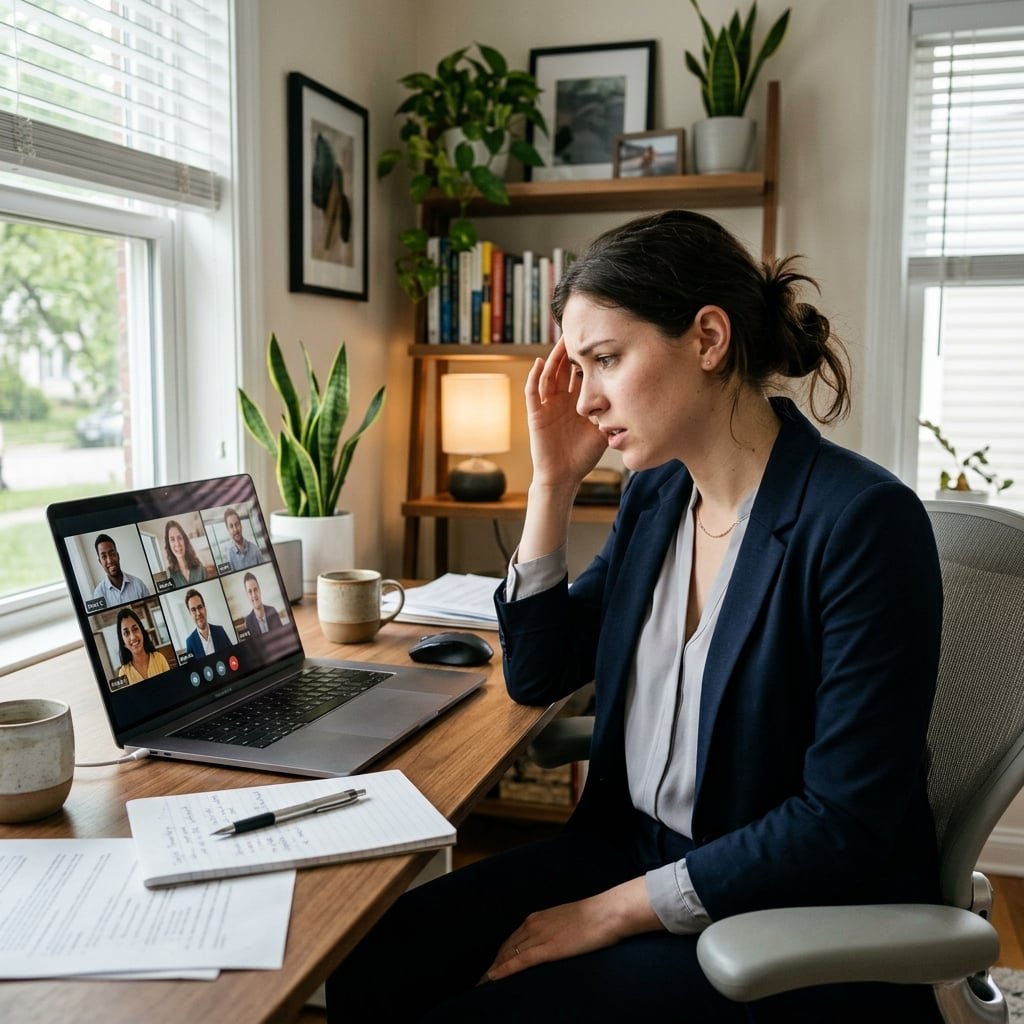
The Doomer’s Perspective: Panel Interviews Are Stacked Against You
Now for the darker take. Because while panels can be fairer and more efficient, they are also harder, more exhausting, and more prone to subtle forms of bias than most candidates realize.
The first problem is cognitive overload. In a one-on-one interview, you have one person to read, one set of reactions to gauge, one conversational thread to follow. In a panel, you are juggling five to nine personalities, each with their own priorities, communication styles, and hidden agendas. The quiet person in the corner might be the final decision-maker. The most talkative person might have the least influence. The person who has not made eye contact with you once might be the one who torpedoes your candidacy in the debrief. You simply do not know. And that uncertainty is exhausting.
The second problem is consistency traps. In a panel, you will often be asked the same question—or variants of it—by multiple people. If your answers shift even slightly, you risk being labeled inconsistent or, worse, dishonest. One candidate told Your Career Place that she was asked about a project failure by three different panelists, who placed slightly different emphasis each time. In the debrief, one interviewer flagged her as “evasive.” She did not get the job.
The third problem is groupthink. Panels are supposed to reduce bias by introducing multiple perspectives, but they can also amplify it. If the most senior person in the room signals skepticism early—a raised eyebrow, a crossed arm, a skeptical follow-up—the rest of the panel often falls in line. The very structure designed to produce balanced decisions can instead produce lopsided ones.
The fourth problem is the time tax. Panel interviews are longer, more draining, and more expensive for candidates to prepare for. You have to research every panelist. You have to craft individualized thank-you notes. You have to rehearse answers that work for a finance director and an HR generalist simultaneously. That is a lot of unpaid labor for a job you might not get.
And then there is the virtual factor. In 2026, many panel interviews still happen over Zoom or Teams, which adds another layer of difficulty. Eye contact is nearly impossible when the camera is positioned above the screen. Reading body language through a grid of tiny rectangles is a skill few people have mastered. And technical glitches—lag, echo, frozen screens—can derail your best-prepared answers in seconds.
The doomer’s bottom line? Panel interviews are designed to stress-test candidates under conditions that rarely reflect the actual job. They favor extroverts, polished communicators, and people with the time and resources to prepare extensively. If you are introverted, neurodivergent, or simply juggling a job and caregiving responsibilities, the deck is stacked against you.
Key Takeaways: How to Survive and Thrive
So where does that leave you? Is the panel interview a golden opportunity or a rigged game? The honest answer is: it depends. It depends on your preparation, your self-awareness, and your ability to adapt. But regardless of which perspective resonates more, here are the non-negotiable strategies for succeeding in a 2026 panel interview:
1. Research every panelist. Request names and titles in advance. Study their LinkedIn profiles. Understand whether they care about culture (HR), execution (hiring manager), or collaboration (peers). Prepare one personalized talking point for each person.
2. Build a story bank. Prepare five to seven STAR-method stories covering leadership, conflict resolution, problem-solving, and failure. Practice delivering each one in 90 to 120 seconds. Tailor the emphasis based on who is asking.
3. Master the “Start, Sweep, and Return” technique. Address the person who asked the question, sweep your gaze across the panel to include everyone, and return to the original questioner as you conclude. In virtual interviews, look at the camera, not the screen, when making key points.
4. Engage the quiet panelist. Deliberately make eye contact with the least vocal person in the room. Direct a follow-up point toward them. They are often the hidden decision-maker, and acknowledging them signals emotional intelligence and leadership presence.
5. Send individualized thank-you notes within 24 hours. Reference a specific question or insight from each panelist. Generic copy-paste emails are worse than no email at all.
At Your Career Place, we believe that every interview format—no matter how intimidating—can be navigated successfully with the right strategy. Panel interviews are not going away. In fact, they are becoming more structured, more common, and more consequential. The candidates who accept that reality, invest in preparation, and approach the format with confidence rather than dread will be the ones who land the best jobs in 2026 and beyond.
So the next time you see nine faces staring back at you from a conference table or a Zoom grid, remember: you are not just being interviewed. You are being given a chance to show exactly who you are, to a room full of people who are all trying to figure out the same thing. Make it count.