
Mastering Interview Techniques in 2026: What Every Job Seeker Needs to Know
Mastering Interview Techniques in 2026: What Every Job Seeker Needs to Know
The job interview has always been the make-or-break moment in any job search — but in 2026, the rules of the game have changed dramatically. From AI-powered video screening tools to skills-based assessments and behavioral rubrics, today’s candidates face a hiring landscape that is simultaneously more structured and more unpredictable than ever before. Here at Your Career Place, we’ve been tracking these shifts closely, and we want to make sure you walk into your next interview fully prepared — not just with polished answers, but with a deep understanding of what modern employers are actually looking for.
Whether you’re a seasoned professional re-entering the job market or a recent graduate navigating your first round of interviews, this guide breaks down the most important interview techniques and trends shaping hiring in 2026. We’ll also explore two very different perspectives on what these changes mean for job seekers — and leave you with actionable takeaways you can use right away.

What’s Happening in the Interview World Right Now
The interview landscape of 2026 looks nothing like it did even five years ago. Here’s a snapshot of the most significant developments reshaping how companies hire — and how candidates need to respond.
AI Has Entered the Interview Room
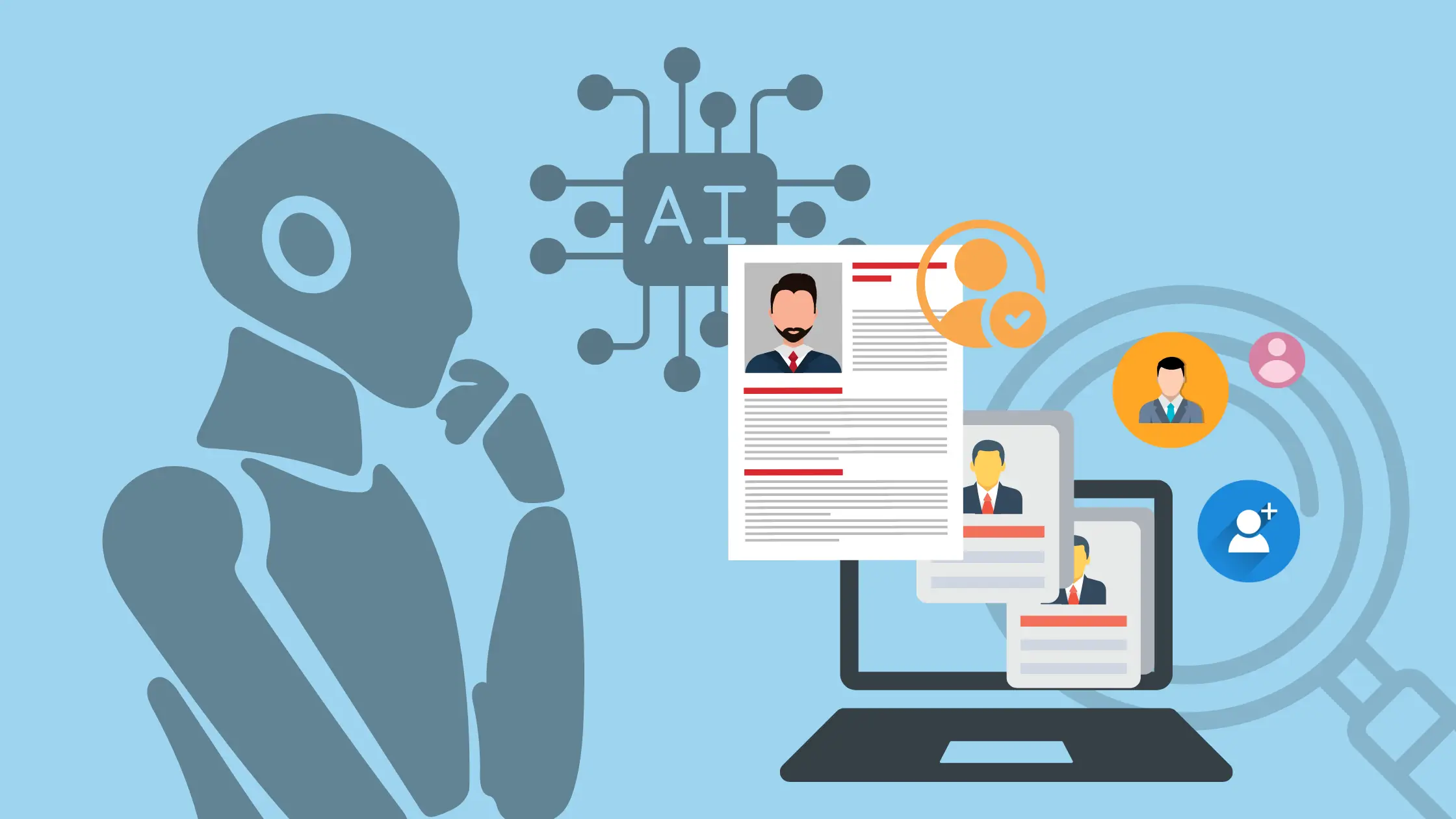
Over 75% of large companies now use AI-powered Applicant Tracking Systems (ATS) to filter resumes before a human ever sees them, according to research from Venture Lab (June 2026). But it doesn’t stop there. A growing number of employers are deploying AI-scored video interviews for initial screening — platforms that analyze word choice, speaking pace, emotional tone, and even micro-expressions to evaluate candidates. As of late 2026, 63% of active job seekers report having experienced an AI-led interview, up from 54% in late 2025, according to Copilot Interview (October 2026).
The catch? Only 26% of candidates trust AI to evaluate them fairly, and 70% say they weren’t even told AI was being used before their interview began. This “trust gap” is creating friction in the hiring process — and some candidates are walking away entirely. In fact, 38% of job seekers have withdrawn from a hiring process specifically because of AI involvement.
Skills-Based Hiring Is Taking Over
Degrees and job titles are losing their grip as the primary hiring criteria. According to Venture Lab, 73% of employers have shifted toward skills-based hiring — evaluating candidates on what they can actually do rather than where they went to school. This has widened talent pools significantly and opened doors for candidates who might have been screened out in previous years.
For job seekers, this means your portfolio, certifications, and demonstrated accomplishments matter more than ever. Employers want proof, not promises.

Behavioral Interviews Are More Structured Than Ever
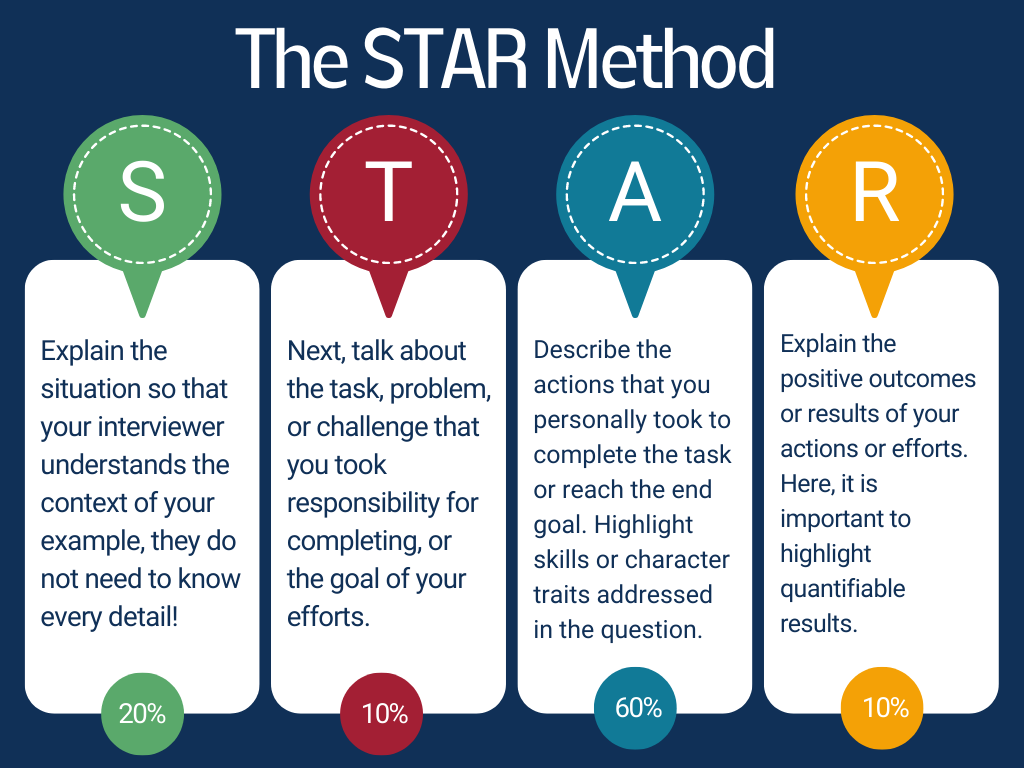
Approximately 87% of employers use behavioral interviews as a primary assessment tool, according to Pin.com (July 2026). The STAR method — Situation, Task, Action, Result — remains the gold standard for structuring responses. But in 2026, employers are taking it further: roughly 70% of hiring teams now use structured scoring rubrics where every candidate is asked the same questions in the same order and rated against predefined criteria. This approach reduces bias and makes the process more defensible — but it also means that vague, generic answers simply won’t cut it anymore.
Candidates who succeed are those who come prepared with a “story bank” of 5–10 specific, quantifiable examples from their work history that can be adapted to a wide range of behavioral questions.
The Return of In-Person Interviews
Ironically, as remote hiring has become the norm, a counter-trend is emerging: 39% of hiring managers are now conducting more in-person interviews to verify candidate identity, according to Copilot Interview. The rise of deepfake technology and interview impersonation — with 6% of candidates admitting to having someone else interview for them — has prompted employers to reintegrate face-to-face rounds as a verification step.
Compressed Timelines and Competitive Offers
For high-demand roles, the hiring process is moving faster than ever. Many companies have compressed their recruitment to a three-stage, 7–10 day decision timeline to secure top talent before they accept competing offers. If you’re a strong candidate, expect things to move quickly — and be ready to make decisions fast.
The Boomer Perspective: Embrace the Structure, Trust the Process
From an optimistic standpoint, the evolution of interview techniques in 2026 represents a genuine improvement over the chaotic, subjective hiring processes of the past. Here at Your Career Place, we hear this perspective often from experienced professionals who have navigated multiple job markets over the decades.
Think about it: structured behavioral interviews with standardized scoring rubrics are actually fairer than the old-school approach where a hiring manager’s gut feeling — or worse, personal biases — determined who got the job. When every candidate is asked the same questions and evaluated against the same criteria, the playing field levels out. Your qualifications and your stories get to speak for themselves.
The shift toward skills-based hiring is equally encouraging. For mid-career professionals who have built deep expertise without necessarily collecting prestigious credentials, this is a long-overdue correction. Your track record of results — the projects you’ve led, the problems you’ve solved, the teams you’ve built — now carries more weight than the name on your diploma.
And yes, AI in the hiring process can feel intimidating. But consider the upside: AI-powered ATS systems and video screening tools allow companies to review far more candidates than they ever could manually. That means more opportunities for qualified people who might have been overlooked in a purely human-driven process. The key is to optimize for these systems — use clear, keyword-rich language in your resume and speak naturally and confidently in video interviews.
The Boomer perspective says: learn the new rules, master the STAR method, build your story bank, and trust that a well-prepared candidate will always rise to the top. The fundamentals of interviewing — being authentic, demonstrating value, and showing genuine interest in the role — haven’t changed. The delivery method has.
The Doomer Perspective: The System Is Rigged Against Real Talent
Not everyone is so sanguine about the direction interviews are heading. The Doomer perspective — and it’s one we at Your Career Place take seriously — raises some genuinely troubling questions about fairness, transparency, and what we’re actually measuring when we interview candidates in 2026.
Start with AI-scored video interviews. These systems analyze facial expressions, voice modulation, and word choice to assess candidates — but the research on their validity is deeply contested. Only 26% of candidates trust AI to evaluate them fairly, and for good reason: these systems have been shown to disadvantage candidates with non-native accents, atypical speech patterns, or simply different cultural norms around eye contact and emotional expression. The EU AI Act has classified many of these tools as “high-risk,” and New York City now requires annual bias audits of AI hiring tools — a tacit acknowledgment that the technology is far from neutral.
Then there’s the transparency problem. Seventy percent of candidates report they weren’t told AI was being used before their interview. That’s not just an ethical issue — it’s a power imbalance. Candidates are being evaluated by systems they don’t understand, can’t appeal, and often don’t even know exist.
The skills-based hiring trend sounds great in theory, but in practice it can create its own barriers. When employers ask candidates to demonstrate skills in real-time coding sessions or live problem-solving exercises, they’re often measuring performance under artificial pressure — not actual job performance. And the compressed 7–10 day hiring timelines, while efficient for employers, put enormous pressure on candidates who may be juggling current jobs, family responsibilities, or other constraints.
Perhaps most concerning is the rise of candidate-side AI tools — the 22% of candidates using real-time AI assistants during live interviews. This creates an arms race where employers implement proctoring and verification measures, candidates find workarounds, and the entire process becomes a game of cat and mouse rather than a genuine assessment of fit. The Doomer perspective asks: if both sides are gaming the system, what are we actually learning about candidates?
The bottom line from this viewpoint: the interview process in 2026 is increasingly optimized for efficiency and bias reduction on paper, while potentially creating new, less visible forms of exclusion in practice. Job seekers need to be aware of these dynamics — not to be paralyzed by them, but to navigate them with clear eyes.
Key Takeaways: How to Ace Your Next Interview in 2026
At Your Career Place, we believe that knowledge is your greatest competitive advantage. Here are the most important things to keep in mind as you prepare for interviews in today’s market:
- Master the STAR Method: Build a story bank of 8–10 specific, quantifiable examples from your work history. Cover leadership, conflict resolution, failure and recovery, and innovation. Practice delivering each story in about two minutes, focusing on your personal actions and measurable results.
- Optimize for AI Screening: Use clear, keyword-rich language in your resume that mirrors the job description. In video interviews, speak clearly, maintain energy, and use industry-specific terminology naturally. Look directly into the camera lens to simulate eye contact.
- Demonstrate AI Fluency: Approximately 70% of employers now evaluate AI fluency even for non-technical roles. Be prepared to discuss how you use AI tools to enhance your work — and emphasize that human judgment and critical thinking remain central to your approach.
- Treat It as a Two-Way Conversation: Come prepared with thoughtful questions about team culture, success metrics, and professional development opportunities. This signals maturity, genuine interest, and strategic thinking.
- Follow Up Promptly: Send a personalized thank-you note within 24 hours that references a specific moment from the conversation. It’s a small gesture that leaves a lasting impression.
- Know Your Rights: If you’re interviewing in New York City, Illinois, Maryland, or the EU, you have legal protections around AI-driven hiring tools. Know what disclosures employers are required to make — and don’t hesitate to ask.
- Build Your Portfolio: For technical, creative, and data roles, an up-to-date portfolio (GitHub, case studies, published work) often carries more weight than your interview answers. Make sure yours is current and easy to share.
Conclusion: Preparation Is Still the Great Equalizer
The interview landscape of 2026 is more complex, more technology-driven, and more competitive than ever before. But here’s the truth that Your Career Place has always believed: the fundamentals still matter. Authentic storytelling, demonstrated impact, genuine curiosity about the role, and professional follow-through will always set strong candidates apart — regardless of whether the first round is evaluated by a human or an algorithm.
The candidates who thrive in this environment are the ones who understand the new rules without losing sight of what makes them uniquely valuable. They prepare rigorously, adapt intelligently, and show up as their best selves — in person, on video, and in every interaction throughout the hiring process.
At Your Career Place, we’re here to help you do exactly that. Whether you’re polishing your STAR stories, optimizing your resume for ATS systems, or figuring out how to navigate an AI-scored video interview, we’ve got the resources, insights, and community to support you every step of the way. Your next great opportunity is out there — and with the right preparation, you’re ready to seize it.
Sources: Venture Lab (June 2026) | Copilot Interview (October 2026) | Pin.com (July 2026) | Integrity Staffing (April 2026) | Qwyse (August 2026) | iSmartRecruit (2026)