
Stress Interviews in 2026: Are Employers Still Using Psychological Pressure to Test You?
Stress Interviews in 2026: Are Employers Still Using Psychological Pressure to Test You?
Last updated: September 25, 2026
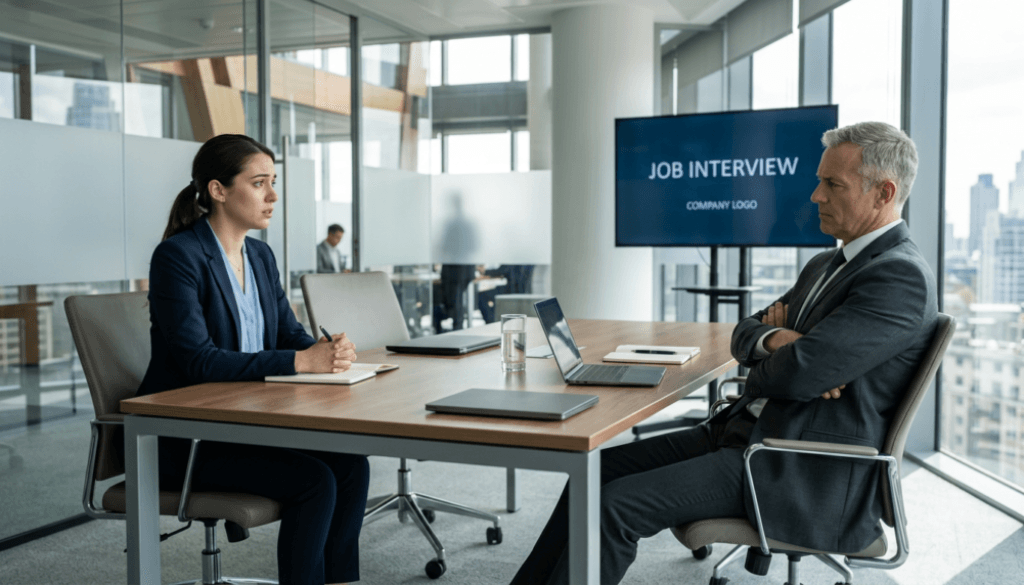
You walk into a conference room. The chair they offer you is noticeably lower than theirs. The interviewer barely makes eye contact, fires off rapid questions without waiting for your full answer, and leaves long, awkward silences after everything you say. You are not imagining it. This is a stress interview, and in 2026, it is still alive in some of the most competitive industries on the planet.
At Your Career Place, we have coached thousands of job seekers through every interview format imaginable, from friendly conversational screenings to high-stakes technical gauntlets. But nothing rattles candidates quite like the stress interview. It is deliberate, uncomfortable, and designed to break the social contract of a normal conversation. The question is whether it still belongs in modern hiring, or if it is a relic that needs to retire.
What Is Actually Happening With Stress Interviews Right Now
Stress interviews are not a new fad, but they are also not dying out the way many job seekers hoped they would. In 2026, they remain concentrated in a handful of high-pressure sectors: investment banking, emergency medicine, law enforcement, executive leadership, and aggressive sales environments. These are roles where composure under fire is not a nice-to-have. It is the job.

The methods have not changed much. Interviewers still use aggressive questioning, rapid-fire sequences, intentional silence, and even physical intimidation like lower seating or long tables to create a power imbalance. What has changed is the conversation around them. Candidates are more informed than ever, thanks to resources like Your Career Place, and they are increasingly asking whether these tactics actually predict job performance or just filter for people who can tolerate abuse.
The data tells an interesting story. According to industry research compiled this year, stress interviews are effective at revealing emotional stability and conflict management skills, but they also carry a major red-flag risk. If the pressure tactics feel disconnected from the actual role, candidates walk away convinced the company culture is toxic. In a 2026 hiring market where top talent has options, that reputation damage matters.
Another key shift is the rise of AI in hiring. Over 75 percent of large employers now use AI-driven applicant tracking systems to screen resumes in as little as eleven seconds. By the time a human interviewer sees you, the system has already decided you are qualified on paper. The stress interview, then, becomes one of the few purely human-led gatekeeping tools left. No algorithm can simulate a dismissive interviewer staring at their phone while you sweat through an answer. Whether that is a good thing or a bad thing depends entirely on your perspective.
Employers are also under pressure to compress hiring timelines. Many companies now aim to move from application to offer in seven to ten business days. In that rush, some hiring managers use stress interviews as a quick proxy for resilience, skipping more nuanced behavioral assessments in favor of a faster, messier test. The result is a format that feels outdated to candidates but practical to time-strapped recruiters.
The Boomer’s Perspective: “This Is How You Find the Real Deal””>
If you talk to a hiring manager who swears by stress interviews, they will tell you something that is hard to argue with: the workplace is not always comfortable. Investment bankers face hostile client calls. Emergency room doctors make life-or-death decisions while alarms scream. Sales executives close million-dollar deals while a prospect openly questions their competence. In those roles, the ability to stay calm under pressure is not a soft skill. It is the entire job.
From this viewpoint, the stress interview is not cruel. It is honest. A traditional interview where everyone smiles and nods gives you zero insight into how someone reacts when a project implodes at midnight or a client sends an all-caps email threatening to walk. The stress interview strips away preparation and polish and shows you the candidate’s raw wiring.
The boomers also point out that preparation works. Candidates who use resources like Your Career Place to practice stress interview scenarios report significantly better outcomes. Techniques like box breathing, the three-second pause rule, and physical anchoring can raise performance by as much as 30 percent when anxiety is reframed as excitement. In other words, the test is passable if you treat it like a skill rather than an ambush.
There is also a fairness argument. A structured stress interview, when applied consistently and tied to real job requirements, can actually reduce bias. Everyone gets the same uncomfortable treatment, and the scoring rubric focuses on observable behaviors like tone stability, logical reasoning under pressure, and professional recovery after a challenge. Compare that to a friendly chat where likability and shared hobbies can unconsciously sway a decision, and the stress interview starts to look more objective, not less.
Finally, defenders note that candidates can opt out. If you find the process disrespectful, that is valuable information for both sides. The employer learns you may not fit a high-pressure culture. You learn you may not want to work there. No one wastes six months figuring it out the hard way.
The Doomer’s Perspective: “This Is Just Hazing With a Paycheck Attached”
For every defender of the stress interview, there is a growing chorus of critics who see it as little more than workplace hazing disguised as assessment. The core argument is simple: if you need to psychologically pressure someone to figure out if they are competent, your interview process is broken.
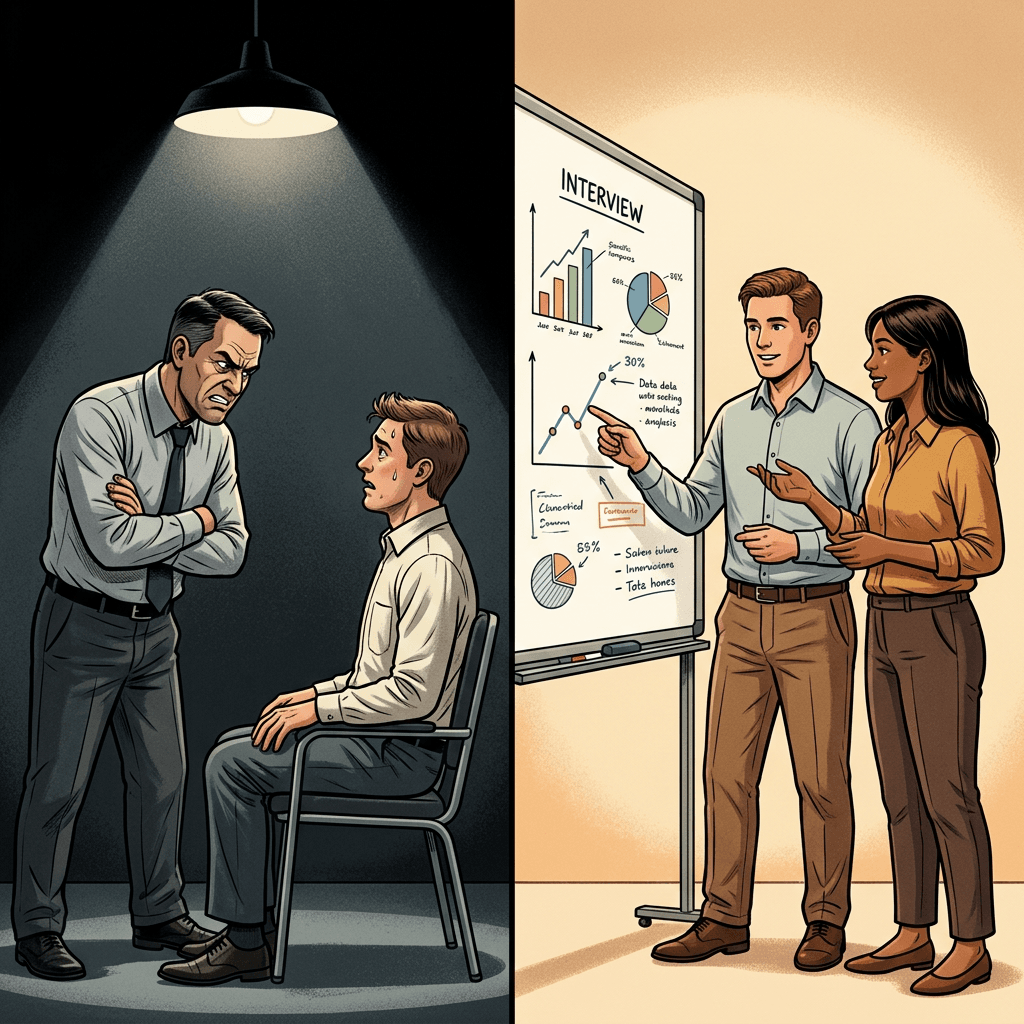
Modern hiring in 2026 has better tools. Structured behavioral interviews with predefined scoring rubrics, work sample tests, live problem-solving exercises, and even immersive VR simulations can all assess composure and critical thinking without the theatrics. A take-home assignment or a live coding review shows you what someone can actually do. A stress interview shows you how well they handle a person being rude to them. Those are not the same thing.
The doomer case gets stronger when you look at who stress interviews filter out. Neurodivergent candidates may struggle with rapid-fire social pressure despite being exceptional performers. Introverts may shut down in confrontational settings even if they are brilliant analysts. Candidates from backgrounds where authority figures are not typically challenged may interpret aggression as a signal to disengage rather than push back. In a hiring landscape where 73 percent of employers now prioritize skills over degrees and diversity is a stated goal, the stress interview starts to look like a gate that keeps the wrong people out.
There is also the reputational risk. In 2026, every interview is a potential Glassdoor review, a LinkedIn post, or a viral tweet. A candidate who feels mistreated during a stress interview does not just walk away. They talk about it, and their network listens. In a market where hiring timelines are already compressed and talent competition is fierce, companies cannot afford to be the employer known for interrogation-style interviews.
Perhaps the strongest argument against stress interviews is that they test the wrong trait. Enduring a dismissive interviewer does not make you good at your job. It makes you good at enduring a dismissive interviewer. If the role genuinely requires high-pressure performance, simulate the actual pressure. Give the candidate a realistic crisis scenario with a ticking clock. Throw unexpected data at them and see how they synthesize it. That tests composure and competence simultaneously. Making them sit in a lower chair while you check your email tests nothing except their tolerance for bad manners.
Key Takeaways for Job Seekers in 2026
Whether you are a fan of stress interviews or think they should be outlawed, the reality is that some employers still use them. Here is what Your Career Place recommends if you find yourself in one:
- Reframe the discomfort. Remind yourself that the pressure is the test, not a personal attack. Research shows reframing anxiety as excitement can boost performance by up to 30 percent.
- Use physical anchoring. Plant your feet firmly, breathe in a four-count box pattern, and slow your speech intentionally. These cues signal calm to both the interviewer and your own nervous system.
- Employ the three-second rule. A brief, deliberate pause before answering demonstrates control and gives you time to structure your response, even when interrupted.
- Stick to structured frameworks. The STAR method works even under fire. It keeps your answers focused and proves you can think logically while stressed.
- Read the room for red flags. If the pressure tactics have nothing to do with the job, that is not a test. It is a preview of the company culture. Your Career Place always advises candidates to trust their instincts when the interview process feels abusive rather than challenging.
On the employer side, the message is just as clear. If you are using stress interviews, tie them directly to real job requirements. Use consistent scoring rubrics. Train your interviewers so the pressure is professional, not personal. And always offer candidates a clear explanation afterward. Transparency turns a stress test into a fair assessment.
Stress interviews in 2026 are not going extinct, but they are being questioned more loudly than ever. The best candidates are preparing for them. The smartest employers are evolving beyond them. Somewhere in the middle, the future of high-pressure hiring is being rewritten, one uncomfortable silence at a time.
Need help preparing for any interview format, including the tough ones? Your Career Place has you covered with practice simulations, expert coaching, and strategies that work in the real world.