
Remote Work Trends in 2026: What Every Professional Needs to Know
Remote Work Trends in 2026: What Every Professional Needs to Know
The way we work has never been more hotly debated. In 2026, remote work is no longer a pandemic-era experiment — it’s a permanent fixture of the professional landscape, albeit one that looks very different from the fully-remote utopia many workers envisioned just a few years ago. From aggressive return-to-office mandates to the rise of AI-powered collaboration tools, the remote work conversation is evolving fast. Here at Your Career Place, we’ve been tracking these shifts closely, and today we’re breaking down everything you need to know about where remote work stands right now — and where it’s headed.

The State of Remote Work in 2026: Recent News and Trends
If you’ve been following workplace news lately, you know the headlines have been dominated by one theme: the tug-of-war between employers pushing for in-office attendance and employees fighting to keep their flexibility. Here’s a snapshot of what’s actually happening out there:
Return-to-Office Mandates Are Surging — But So Is Resistance
According to data from Robert Half (August 2026), fully in-office job postings climbed from 65% in Q4 2025 to a striking 87% by Q2 2026. Approximately 61% of U.S. companies now have formal return-to-office (RTO) policies in place, with employers citing collaboration, productivity, and communication as their top reasons for the push.
But here’s the catch: employees aren’t going quietly. Research from WorkTime (August 2026) shows that nearly 30% of workers say they would leave their jobs if forced into a fully in-person model. And companies are feeling the pain — roughly 80% of businesses report losing talent as a direct result of RTO mandates.
Hybrid Work Has Become the New Normal
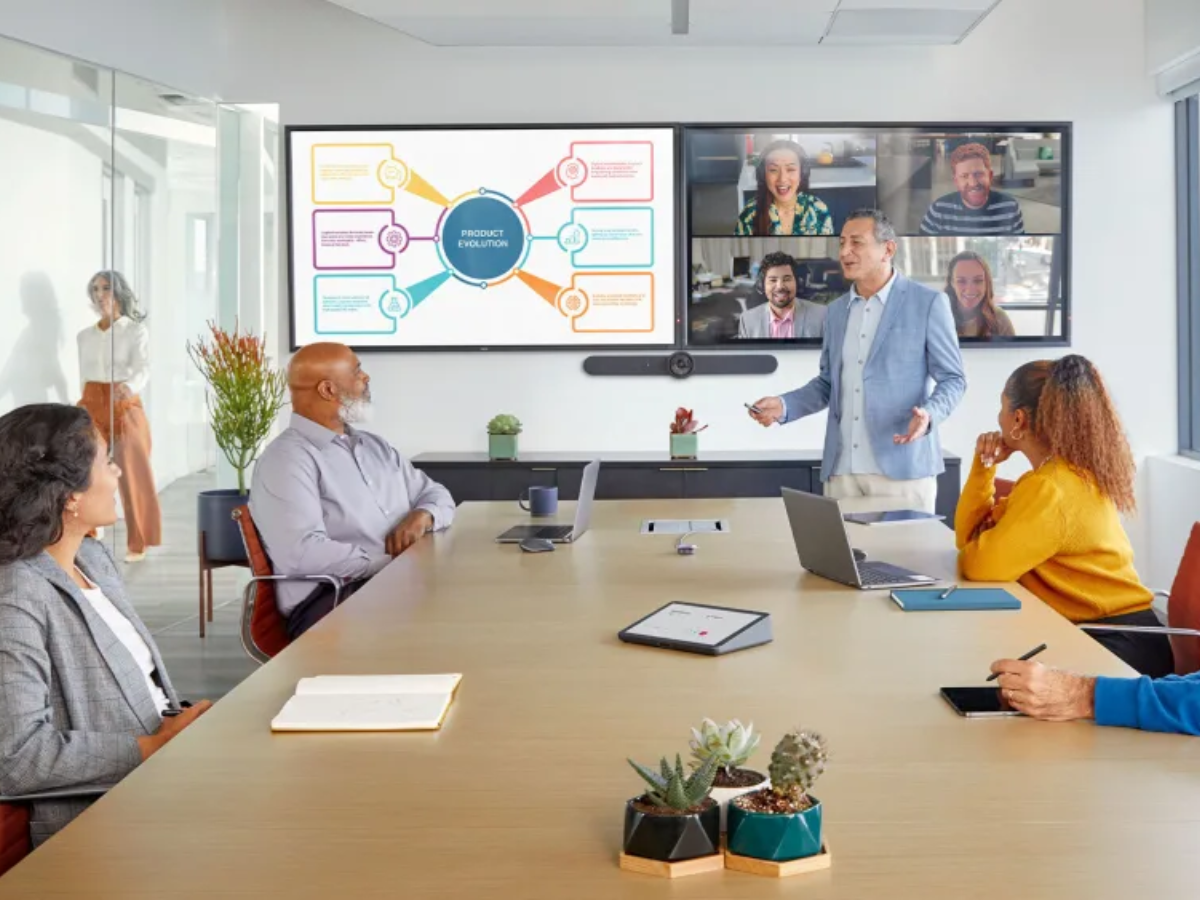
While fully remote roles have become scarcer (representing just 3% of job postings in Q2 2026), hybrid work has emerged as the dominant flexible model. As of mid-2026, 52% of remote-capable U.S. employees work in a hybrid arrangement, according to SurveyMonkey’s workforce research. A remarkable 88% of employers now offer some form of hybrid work — making it less of a perk and more of a baseline expectation.
Research from GetCroissant (October 2026) confirms that well-structured hybrid arrangements can deliver a 5% productivity gain while significantly reducing employee turnover — a win-win that’s hard to argue with.
AI Is Reshaping How Remote Teams Work
Artificial intelligence has become a central pillar of the remote and hybrid work experience. According to HR Future (September 2026), organizations are increasingly deploying AI-powered tools for automated task management, real-time cybersecurity threat detection, and workflow optimization. Meanwhile, 84% of business leaders report that generative AI has enhanced organizational productivity, per Archie’s hybrid workplace research (September 2026).
The Office Is Being Reimagined
The physical office isn’t dead — it’s just being repurposed. Rather than serving as a place for daily task completion, offices in 2026 are increasingly designed as collaboration hubs for high-value activities: team problem-solving, mentorship, and creative brainstorming. Data shows that 70% of employees visit the office primarily for team collaboration, not individual work.
Mental Health Remains a Critical Challenge
Despite the benefits of flexibility, remote work isn’t without its downsides. A sobering statistic from WorkTime reveals that 86% of fully remote employees report experiencing burnout. Workplace loneliness, particularly among younger workers, continues to be a significant challenge that companies are only beginning to address with structured well-being initiatives.

The Boomer Perspective: “This Is the Correction We Needed”
For many seasoned professionals and traditional business leaders, the current shift back toward in-office work feels less like a retreat and more like a long-overdue course correction. The optimistic view — often held by those who built their careers in physical workplaces — goes something like this:
In-person work builds the kind of culture that can’t be replicated on a screen. Mentorship happens in hallways. Innovation sparks in impromptu conversations by the coffee machine. The subtle art of reading a room, navigating office politics, and building genuine professional relationships requires physical presence. For younger workers especially, the office isn’t just a place to work — it’s a place to learn how to work.
From this perspective, the pandemic-era remote work experiment, while necessary, revealed some uncomfortable truths: collaboration suffered, company culture eroded, and many employees — particularly those early in their careers — missed out on the informal learning that happens organically in shared spaces. The return-to-office push isn’t about distrust or micromanagement; it’s about investing in the human infrastructure that makes organizations thrive long-term.
Proponents of this view also point to the data: companies that have successfully implemented structured hybrid models — with clear expectations and intentional in-office days — are seeing real productivity gains and stronger team cohesion. The key word is intentional. When the office is used purposefully for collaboration and connection, rather than just as a place to sit and do individual work, everyone benefits.
At Your Career Place, we recognize that for many professionals, especially those who thrive on face-to-face interaction and structured environments, the return to office represents an opportunity — a chance to rebuild the professional networks and visibility that are so crucial for career advancement.
The Doomer Perspective: “We’re Going Backward at the Worst Possible Time”
Not everyone is celebrating the RTO wave. For a significant portion of the workforce — particularly working parents, caregivers, people with disabilities, and those who relocated during the pandemic — the push back to the office feels like a betrayal of promises made and a step backward for workplace equity.
The pessimistic view is backed by some troubling data. Companies enforcing rigid RTO mandates are experiencing 13-14% higher turnover rates, according to research cited by GetCroissant. They’re also losing their most experienced, highest-performing employees first — the ones who have the most options and the least tolerance for unnecessary commutes. When you factor in that employees value hybrid arrangements at the equivalent of an 8% salary increase, forcing people back to the office full-time is essentially giving them a pay cut.
Critics also question the motivations behind many RTO mandates. Research from George Washington University (March 2026) suggests that many mandates stem from “old leadership practices” and proximity bias — managers simply feel more comfortable evaluating people they can see. Some analysts have gone further, suggesting that certain companies are using RTO policies as a stealth layoff strategy, hoping that employees who can’t or won’t comply will voluntarily resign, saving the company severance costs.
Then there’s the equity issue. Remote work opened doors for workers who had previously been excluded from high-paying professional roles: people in rural areas, those with disabilities, caregivers who need schedule flexibility, and workers from underrepresented groups who often face more microaggressions and bias in physical office environments. Rolling back remote work doesn’t just inconvenience these workers — it can effectively push them out of the workforce entirely.
And let’s not forget the environmental angle. Remote work significantly reduces carbon emissions from commuting and office energy consumption. As companies race to meet sustainability goals, mandating five-day office attendance seems to work directly against those commitments.

Key Takeaways for Your Career
Whether you’re a remote work advocate or an in-office enthusiast, the landscape of 2026 demands that every professional be strategic about how they navigate these changes. Here at Your Career Place, we want to leave you with some actionable insights:
- Know your value — and your options. If your company is pushing for full-time office attendance and that doesn’t work for your life, you have more leverage than you might think. Skilled professionals are in demand, and companies offering flexibility are actively recruiting. Don’t be afraid to explore your options.
- Embrace hybrid strategically. If you’re in a hybrid arrangement, be intentional about your in-office days. Use them for high-visibility work, relationship-building, and collaboration. Save deep focus work for your remote days. This approach maximizes the benefits of both environments.
- Invest in your remote work setup. Whether you’re fully remote or hybrid, a professional home office setup signals to employers that you take remote work seriously. Good lighting, reliable technology, and a distraction-free environment can make a real difference in how you’re perceived on video calls.
- Stay visible, regardless of location. One of the biggest career risks of remote work is becoming “out of sight, out of mind.” Proactively communicate your accomplishments, participate actively in virtual meetings, and maintain regular touchpoints with your manager and key stakeholders.
- Get comfortable with AI tools. The integration of AI into remote and hybrid workflows is accelerating. Professionals who can leverage AI tools to boost their productivity and output will have a significant competitive advantage in the job market.
- Prioritize your mental health. The burnout statistics for remote workers are alarming. Build boundaries around your work hours, create rituals that separate work from personal time, and don’t hesitate to use whatever mental health resources your employer offers.
- Understand your company’s real culture. A company’s remote work policy tells you a lot about its values and leadership philosophy. Before accepting a new role, dig into how the company actually operates day-to-day — not just what the policy says on paper.
Conclusion: Navigating the New World of Work
The remote work landscape of 2026 is complex, contested, and constantly evolving. There are no easy answers, and the “right” arrangement looks different for every professional, every family, and every organization. What’s clear is that flexibility — in some form — is here to stay, and the professionals who will thrive are those who can adapt, advocate for themselves, and make strategic choices about where and how they work.
Here at Your Career Place, we believe that your career is yours to shape. Whether you’re negotiating a hybrid schedule, considering a fully remote role, or navigating a return-to-office mandate, we’re here to help you make informed decisions that align with your goals and your life. The world of work is changing — and with the right knowledge and strategy, you can change with it on your own terms.
What’s your experience with remote work in 2026? Are you thriving in a hybrid arrangement, fighting an RTO mandate, or loving the fully remote life? We’d love to hear from you in the comments below.
Sources: Robert Half (August 2026), WorkTime (August 2026), SurveyMonkey (March 2026), GetCroissant (October 2026), HR Future (September 2026), Archie (September 2026), George Washington University (March 2026), Splashtop (June 2026), KORE1 (July 2026)