
Mastering Interview Techniques in 2026: What Every Job Seeker Needs to Know
Mastering Interview Techniques in 2026: What Every Job Seeker Needs to Know
The job interview has always been the make-or-break moment in any job search — but in 2026, the rules of the game have changed dramatically. From AI-powered screening tools to asynchronous video interviews and skills-based assessments, today’s candidates face a hiring landscape that would be almost unrecognizable to job seekers from just a decade ago. Here at Your Career Place, we’ve been tracking these shifts closely, and we want to make sure you walk into your next interview fully prepared for what’s ahead.
Whether you’re a seasoned professional re-entering the market or a recent graduate navigating your first serious job search, understanding modern interview techniques isn’t just helpful — it’s essential. In this post, we’ll break down the latest trends, share what’s working (and what isn’t), and give you the tools to stand out in a crowded field.

What’s Happening in the World of Job Interviews Right Now
The interview landscape in 2026 is being reshaped by several powerful forces. Here’s a look at the most significant developments making headlines:
AI Has Taken Over the Front Door
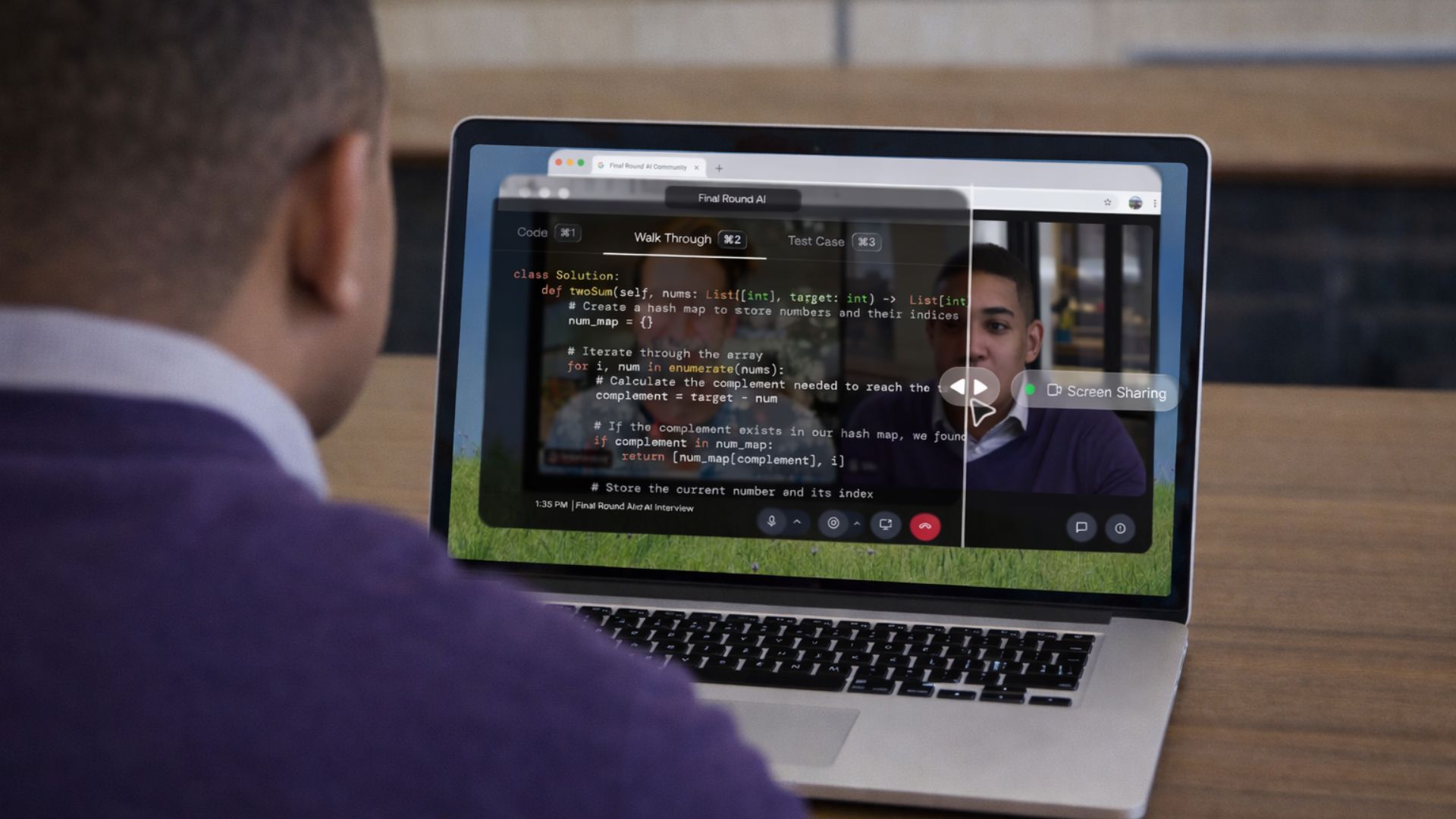
Over 75% of large companies now use AI-powered Applicant Tracking Systems (ATS) to filter candidates before a human ever sees a resume. These systems scan applications in as little as 11 seconds, looking for keyword alignment and machine-readable formatting. But it doesn’t stop there — one-way video interviews, where candidates record responses to pre-set questions, have largely replaced traditional phone screens. AI tools then analyze these recordings for sentiment, word choice, and even speaking pace.
According to research from Venture Lab, approximately 22% of job seekers are now using AI assistants during live interviews — a trend that’s sparked an “arms race” between candidates and employers, with companies deploying new proctoring technologies to detect AI-generated responses.
Skills Over Degrees
One of the most significant shifts in 2026 hiring is the move away from credential-based filtering. Approximately 73% of employers now prioritize demonstrated skills over educational background, according to data from Employer Branding News. This has effectively expanded the talent pool by up to 19 times — great news for candidates who have built skills through non-traditional paths.
Structured Interviews Are the New Standard
Roughly 70% of hiring teams have adopted structured interview rubrics, where candidates are evaluated by panels using predefined criteria on a 1-5 scale. This approach is designed to reduce bias and make hiring decisions more data-driven. For candidates, this means vague, rambling answers are penalized more than ever — precision and evidence matter.
The Compressed Timeline
The days of waiting weeks to hear back are fading fast. For high-demand roles, top candidates are often off the market within 10 days. The standard process has compressed to three rounds: an initial screen, a technical or skills assessment, and a culture/values interview. Speed and responsiveness are now competitive advantages for job seekers.
Reverse Interviewing Is on the Rise
Candidates are increasingly using the interview stage to evaluate companies — not just the other way around. Asking pointed questions about retention rates, management styles, and how the company lives its stated values has become a standard part of the process. Pay transparency laws in over 14 U.S. states and across the EU have also empowered candidates to filter out mismatched opportunities before they even apply.
The Boomer Perspective: Experience Is Your Superpower
If you’re a seasoned professional — someone with 20, 30, or even 40 years of career experience — the modern interview landscape might feel intimidating. AI screening, asynchronous video, and skills-based assessments can seem like obstacles designed to filter out people like you. But here at Your Career Place, we’d encourage you to flip that narrative entirely.
Your experience is not a liability — it’s a goldmine of exactly the kind of evidence-based storytelling that modern structured interviews are designed to surface. The STAR method (Situation, Task, Action, Result), which is now the gold standard for behavioral interview responses, is essentially a framework for telling the kinds of rich, nuanced stories that only come from years of real-world experience.
Think about it: when an interviewer asks “Tell me about a time you navigated a major organizational change,” a candidate with 25 years of experience has dozens of compelling stories to choose from. A recent graduate might struggle to find even one. Your challenge isn’t a lack of material — it’s selecting and packaging your best stories for maximum impact.
The optimistic view here is that skills-based hiring actually levels the playing field in your favor. If you’ve spent decades developing expertise in project management, team leadership, client relations, or technical domains, those skills are now more visible and valued than ever. You don’t need a fancy new degree — you need to articulate what you’ve done and what it achieved.
The key adaptations for experienced professionals in 2026:
- Modernize your digital presence. Ensure your LinkedIn profile is current and consistent with your resume. Recruiters will search for you.
- Practice with AI tools. Use platforms like ChatGPT to simulate interview questions and get feedback on your responses. It’s not cheating — it’s preparation.
- Embrace the video format. Set up a professional home interview space with good lighting and a clean background. Practice looking into the camera lens, not at the screen.
- Quantify everything. Modern interviewers want numbers. “I improved team efficiency” becomes “I reduced project delivery time by 30% over 18 months.”
The interview game has changed, but the fundamentals of demonstrating value haven’t. Your career story is compelling — you just need to tell it in the language of 2026.

The Doomer Perspective: The System Is Stacked Against You
Let’s be honest about the darker side of the 2026 interview landscape, because pretending the challenges don’t exist doesn’t help anyone.
The AI screening problem is real and serious. When 75% of large companies use automated systems to filter candidates before a human ever sees your application, and those systems scan resumes in 11 seconds, the margin for error is razor-thin. If your resume isn’t formatted correctly, if it lacks the right keywords, or if it doesn’t align precisely with the job description’s language, you may never get a chance to show what you can actually do.
And the trust gap is significant. Only 26% of candidates believe AI evaluates them fairly, according to research from Index.dev. Roughly 66% of job seekers say they would avoid applying to companies that rely heavily on AI for hiring decisions. These aren’t irrational fears — there are documented cases of algorithmic bias, and regulatory bodies in the EU and New York City are only beginning to address the problem.
The compressed timeline is also a double-edged sword. Yes, faster decisions are good in theory — but when top candidates are off the market in 10 days, it creates enormous pressure to be “always on” in your job search. Taking a week to carefully consider an offer, or needing a few extra days to prepare for an interview, can cost you the opportunity entirely.
For older workers, the challenges are compounded. Despite the rhetoric around skills-based hiring, age discrimination in the interview process remains a persistent reality. AI systems trained on historical hiring data can inadvertently encode biases against candidates whose career timelines suggest they’re over 50. And the emphasis on “culture fit” — often evaluated in the third-round interview — can be a proxy for age, background, or other protected characteristics.
The candidate-side AI arms race is also troubling. As 22% of job seekers use AI assistants during interviews, employers are deploying increasingly invasive proctoring technologies. This creates a surveillance dynamic that feels dehumanizing for everyone involved — and raises serious questions about privacy and dignity in the hiring process.
The pessimistic read on 2026 interviews: the system is increasingly optimized for efficiency at the expense of fairness, and the burden of navigating its complexities falls almost entirely on candidates.
Key Takeaways: What You Can Do Right Now
At Your Career Place, we believe that understanding the landscape — both its opportunities and its pitfalls — is the first step toward navigating it successfully. Here are the most actionable things you can do to improve your interview performance in 2026:
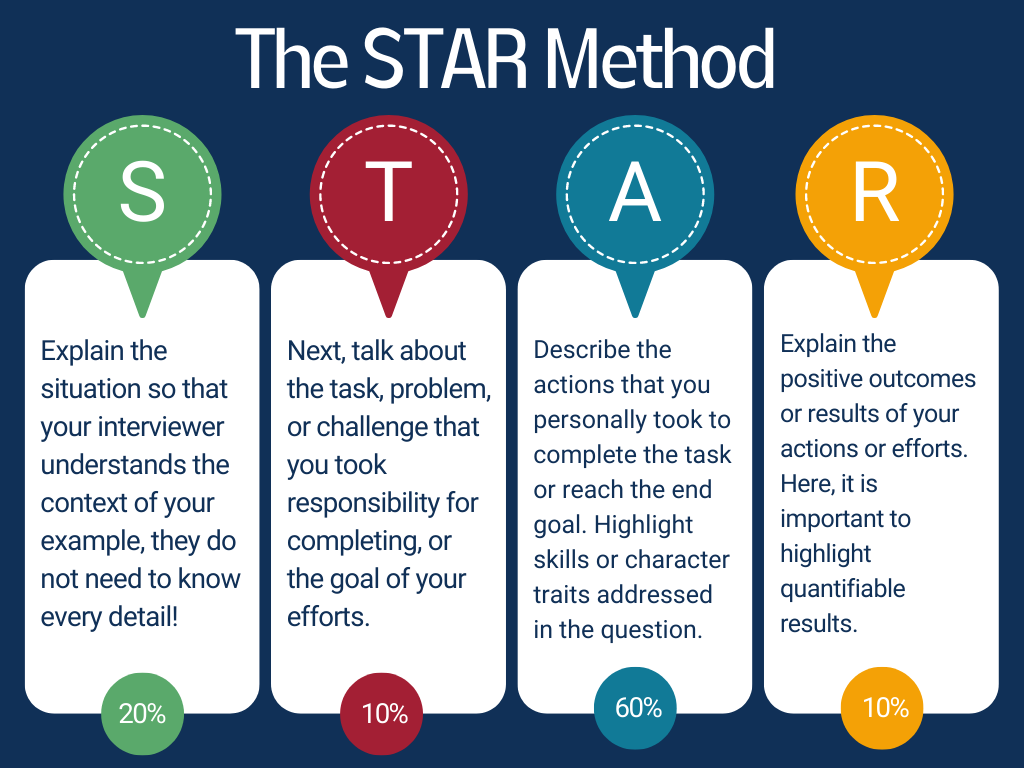
- Master the STAR Method — and add a Reflection. The STAR framework (Situation, Task, Action, Result) is the gold standard for behavioral interview responses. In 2026, consider adding a fifth element: Reflection. What did you learn? How did it change your approach? This “STARR” format signals the growth mindset that employers are actively seeking.
- Build a story bank of 8-10 examples. Prepare diverse stories covering leadership, conflict resolution, failure and recovery, collaboration, and innovation. Prioritize examples from the last 1-2 years for maximum relevance, and quantify outcomes wherever possible.
- Optimize for AI screening. Use the exact language from the job description in your resume and cover letter. Avoid graphics, tables, or unusual formatting that ATS systems can’t parse. Tools like Jobscan can help you identify keyword gaps before you apply.
- Set up a professional virtual interview space. Good lighting (source in front of you, not behind), camera at eye level, neutral background, and a tested internet connection are non-negotiables. Practice looking into the camera lens — not at the screen — to simulate eye contact.
- Use AI to practice, not to cheat. Platforms like ChatGPT, Claude, or dedicated interview prep tools can simulate realistic interview scenarios and give you feedback on your responses. This is legitimate preparation — use it.
- Prepare to reverse interview. Have 3-5 thoughtful questions ready about team structure, success metrics, management style, and company culture. Asking “What does success look like for this role in the first six months?” signals strategic thinking and genuine interest.
- Follow up within 24 hours. Send a personalized thank-you note that references specific topics from the conversation. This demonstrates active listening and keeps you top of mind during the decision process.
- Know your worth — and say it. With pay transparency laws expanding, research market rates using LinkedIn Salary or similar tools before your interview. When asked about compensation, state the top of your justified range with confidence.
Conclusion: The Interview Is Still Yours to Win
The 2026 interview landscape is more complex, more technologically mediated, and in some ways more challenging than ever before. AI screening, asynchronous video, compressed timelines, and skills-based assessments have fundamentally changed what it means to be a competitive candidate.
But here’s what hasn’t changed: the interview is still, at its core, a human conversation about value. Employers want to know what you’ve done, what you can do, and whether you’ll thrive in their environment. The tools and formats have evolved, but the underlying questions remain the same.
Here at Your Career Place, we’re committed to helping you navigate every twist and turn of the modern job market. Whether you’re preparing for your first interview in years or fine-tuning your approach after a string of near-misses, the strategies in this post will help you walk in — or log on — with confidence.
The interview is yours to win. Let’s make sure you’re ready.
Have questions about interview preparation or want to share your own experiences with the 2026 hiring landscape? We’d love to hear from you. Visit YourCareerPlace.com for more career resources, tips, and tools designed to help you succeed at every stage of your career journey.