

Leadership Skills
What It Really Takes to Lead in Today’s Workplace
By Your Career Place | July 16, 2026
Introduction
What does it actually mean to be a great leader in 2026? If you asked that question a decade ago, the answer might have centered on authority, decisiveness, and a corner office. Today, the answer looks very different — and frankly, a lot more complicated.
Here at Your Career Place, we talk to professionals at every stage of their careers, and one theme keeps coming up again and again: leadership is no longer just for people with “Manager” in their title. Whether you’re a seasoned executive, a mid-career professional eyeing a promotion, or someone just starting to think about where your career is headed, developing leadership skills has become one of the most important investments you can make in yourself.
But here’s the thing — the leadership landscape is shifting fast. AI is reshaping how decisions get made. Hybrid work has changed how teams connect. And the old playbook of “manage by authority” is being replaced by something far more nuanced. In this post, we’re diving deep into what leadership skills look like right now, what the research says, and — as always — we’re giving you both the optimistic and the cautionary takes on where things are headed.
What the Research Is Telling Us: Leadership in 2026

The data on leadership right now is both fascinating and a little sobering. Let’s walk through what’s actually happening out there.
There’s a leadership crisis — and it’s real. According to research compiled by Exec.com, approximately 77% of organizations report a significant lack of leadership depth at all levels. That’s not a small gap — that’s a chasm. And it’s getting worse: confidence in managers dropped from 46% in 2022 to just 29% in 2024. Only 19% of employees report feeling a strong connection to their manager.
Leaders themselves are burning out. DDI’s 2025 Global Leadership Forecast found that 4 in 10 leaders are considering leaving their roles to protect their well-being. Forbes has coined the term “supermanagers” to describe what’s happening: organizational flattening and layoffs have left managers overseeing 20+ direct reports while simultaneously driving digital transformation with fewer resources. Seventy-one percent of leaders report a significant increase in stress.
The skills that matter most have shifted dramatically. According to the World Economic Forum’s Future of Jobs Report 2025, about 39% of core worker skills are expected to change or become obsolete by 2030. The skills rising to the top? Emotional intelligence, adaptability, AI literacy, strategic communication, and the ability to lead without formal authority.
AI is changing the leadership equation. As reported by DDI’s Leadership Trends 2026, leaders are no longer just managers of people — they’re becoming “interpreters” who blend machine-generated insights with human ethics and empathy. AI-powered training is growing at 40% annually, improving skill acquisition by up to 20% compared to traditional methods.
Hierarchy is flattening — and that changes everything. Forbes and Situational Leadership both highlight the shift from “power-based” to “influence-based” leadership. In flatter organizations, your ability to lead depends less on your title and more on your relational capital — how well you build trust, collaborate across functions, and inspire people who don’t technically report to you.
Internal development beats external hiring. The numbers are striking: external hires are 61% more likely to fail within 18 months, while internal promotions are 20% faster and significantly more cost-effective. Organizations that invest in leadership development report 25% better business outcomes — and inclusive leadership development is linked to 4.2 times higher financial performance.
The Core Leadership Skills You Need Right Now
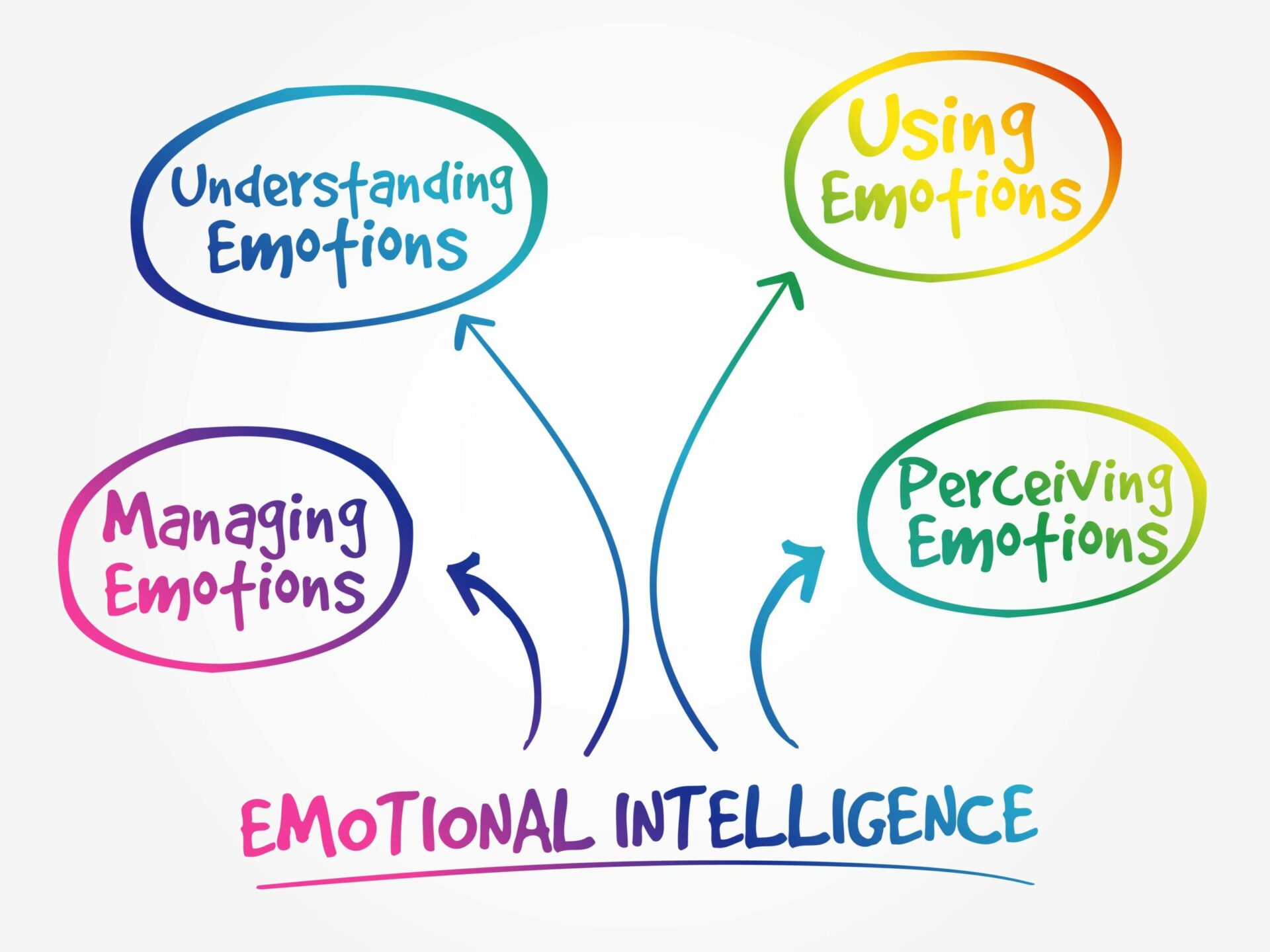
Before we get into the perspectives, let’s ground ourselves in what the research consistently identifies as the most critical leadership competencies for 2026:
- Emotional Intelligence (EQ): The ability to understand and manage your own emotions — and read and respond to others’ — is now considered the foundation of effective leadership. It’s what allows leaders to build trust, navigate conflict, and create psychological safety.
- Strategic Communication: In hybrid and remote environments, communication doesn’t happen by accident. Great leaders communicate with intention, clarity, and empathy across multiple channels — and they know how to “compress” complex ideas into clear, actionable messages.
- AI and Digital Literacy: You don’t need to be a coder, but you do need to understand how AI tools work, where they add value, and where they introduce risk. Leaders who can ask the right questions of AI outputs — and spot bias or error — will have a significant edge.
- Adaptability and Resilience: The ability to pivot when circumstances change, hold competing truths simultaneously, and guide your team through uncertainty without losing momentum is now a core leadership requirement.
- Coaching and Empowerment: The best leaders in 2026 aren’t managing tasks — they’re developing people. Creating environments where team members feel safe to take risks, share ideas, and grow is what drives both retention and performance.
- Influence Without Authority: As hierarchies flatten, the ability to lead through relationships, credibility, and shared purpose — rather than positional power — becomes essential.
🌟 The Boomer Perspective: Leadership Has Never Been More Rewarding

Let’s start with the good news — and there’s genuinely a lot of it.
If you’re someone who has always believed that leadership is fundamentally about people — about listening, inspiring, and bringing out the best in others — then 2026 is your moment. The skills that were once dismissed as “soft” are now recognized as the hardest and most valuable skills in the workplace. Emotional intelligence, empathy, authentic communication — these aren’t nice-to-haves anymore. They’re the differentiators that separate good leaders from great ones.
Here at Your Career Place, we find this genuinely exciting. For years, we’ve watched technically brilliant people get passed over for leadership roles because they couldn’t connect with their teams. And we’ve watched people with deep interpersonal skills struggle to get recognition because the metrics didn’t capture what they brought to the table. That’s changing. Organizations are finally measuring what matters — engagement, retention, psychological safety, team performance — and the leaders who excel at the human side of leadership are rising to the top.
The flattening of hierarchies is also, in many ways, a democratization of leadership. You no longer have to wait for a formal title to lead. If you can build trust, influence outcomes, and help your team navigate complexity, you’re already leading — and organizations are increasingly recognizing and rewarding that. This opens doors for mid-career professionals, for people who’ve been overlooked in traditional hierarchies, and for anyone willing to invest in developing these skills.
The data on leadership development ROI is also deeply encouraging. Organizations that invest in developing their leaders see 25% better business outcomes. Teams with high psychological safety are 31% more likely to be high performers. And companies that promote from within — investing in their own people — see faster results and lower failure rates than those who constantly look outside. This is a powerful argument for anyone who wants to grow: your organization has every incentive to develop you, if you’re willing to put in the work.
And yes, AI is changing leadership — but the Boomer perspective says: this is a gift, not a threat. AI handles the routine, the repetitive, the data-heavy. What’s left for human leaders is the most meaningful work: building relationships, making judgment calls, inspiring teams, and navigating the ethical complexities that no algorithm can resolve. The human edge has never been more valuable.
The bottom line from the optimistic corner: leadership in 2026 rewards authenticity, empathy, and continuous growth. If you’re willing to invest in yourself — to develop your emotional intelligence, sharpen your communication, and embrace lifelong learning — the opportunities are genuinely extraordinary.
😟 The Doomer Perspective: The Leadership Crisis Is Real, and It’s Getting Worse
Now let’s be honest about the harder truths — because at Your Career Place, we believe you deserve the full picture.
The leadership crisis isn’t a talking point. It’s a documented, measurable reality. Seventy-seven percent of organizations lack leadership depth. Trust in managers has collapsed — from 46% to 29% in just two years. And the people who are supposed to be leading? Forty percent of them are thinking about quitting to protect their mental health.
The “supermanager” phenomenon is particularly alarming. As organizations flatten and cut costs, they’re piling more and more onto the managers who remain. We’re talking about people overseeing 20+ direct reports, driving digital transformation, managing AI adoption, maintaining team culture, and somehow also finding time to develop their own skills. The result is predictable: burnout, disengagement, and a slow erosion of the very leadership capacity organizations desperately need.
And here’s the uncomfortable truth about the “just develop your leadership skills” advice: it’s easier said than done when you’re already stretched to the breaking point. The research shows that one-size-fits-all training programs often fail to produce behavioral change. Organizations know this — and yet many continue to invest in exactly those kinds of programs, checking the “leadership development” box without actually moving the needle.
The AI dimension adds another layer of complexity. Yes, AI literacy is now a leadership requirement. But 35% of HR and L&D leaders identify learning and managing new technology as a top challenge for 2026. Leaders are being asked to become “digital Swiss Army knives” — proficient in AI adoption, data analytics, and cybersecurity — on top of everything else. For many mid-career professionals who didn’t grow up with these tools, the learning curve is steep and the support is often inadequate.
There’s also the “quiet cracking” phenomenon identified by DDI: employees who remain in their roles but suffer from a slow collapse in motivation and engagement. Leaders are supposed to prevent this — to create psychological safety, normalize conversations about uncertainty, and maintain team morale. But who’s doing that for the leaders themselves? The answer, too often, is nobody.
The communication challenge in hybrid environments is real and underappreciated. When 64% of leaders cite communication as their most critical skill, but only 19% of employees feel a strong connection to their manager, something is clearly breaking down. The tools exist. The intention is often there. But the execution — building genuine connection across screens and time zones — remains one of the hardest problems in modern management.
The Doomer perspective isn’t that leadership development is hopeless. It’s that the gap between what organizations say they value and what they actually invest in remains dangerously wide. And for individual professionals, the pressure to “develop your leadership skills” while simultaneously managing an impossible workload is a recipe for burnout, not growth.
Key Takeaways: What You Can Actually Do
Whether you lean Boomer or Doomer on the leadership question, here’s what Your Career Place recommends for professionals who want to grow their leadership capabilities in 2026:
- Start with self-awareness. Emotional intelligence begins with understanding your own strengths, blind spots, and triggers. Seek out 360-degree feedback, work with a coach, or use structured reflection to get an honest picture of how you show up as a leader.
- Lead where you are. You don’t need a title to lead. Look for opportunities to influence outcomes, support colleagues, and take initiative on cross-functional projects. Building your leadership reputation before you have the formal role is one of the smartest career moves you can make.
- Invest in AI literacy — but don’t panic. You don’t need to become a data scientist. Focus on understanding how AI tools work in your specific field, how to evaluate their outputs critically, and how to use them to make better decisions. Start small and build from there.
- Prioritize psychological safety on your team. Whether you’re a formal leader or not, you can contribute to a culture where people feel safe to speak up, take risks, and be honest. This is one of the highest-leverage things any professional can do.
- Advocate for your own development. Don’t wait for your organization to hand you a leadership development program. Identify the specific skills you want to build, seek out mentors and coaches, and make the case for the resources you need.
- Protect your well-being. You cannot lead effectively from a place of burnout. Setting boundaries, building recovery into your schedule, and being honest about your capacity aren’t signs of weakness — they’re signs of sustainable leadership.
Final Thoughts from Your Career Place
Leadership in 2026 is genuinely hard. The demands are higher, the environment is more complex, and the stakes — for individuals, teams, and organizations — have never been greater. But the opportunity is also real: for professionals who are willing to invest in the human skills that AI can’t replicate, who can build trust across distance and difference, and who lead with both competence and compassion, the path forward is wide open.
Here at Your Career Place, we believe that leadership isn’t a destination — it’s a practice. It’s something you build, day by day, through the choices you make, the relationships you invest in, and the commitment you bring to your own growth. Whether you’re just starting to think about leadership or you’re a seasoned manager navigating the “supermanager” era, we’re here to help you find your way.
What leadership challenges are you facing right now? We’d love to hear from you — drop a comment below or reach out to the Your Career Place team. Because the best leadership conversations are the ones we have together.
Sources: DDI Leadership Trends 2026 | Forbes: Supermanagers | Exec.com Leadership Statistics | Korn Ferry Leadership Trends | Rowan Blog: Skills Every Leader Needs | The Leadership Challenge