

Get addicted to discipline with a four step identity based framework
Introduction and article purpose
Many people know what they should do but struggle to stick with it. This article presents a four-step framework designed to turn discipline from an effort into a habit you actually want to repeat. The approach focuses on identity change rather than sheer willpower.
The goal is practical: shift how your brain sees you, so your behavior follows naturally. Read on for a clear method, examples, and a plan you can use right away.
Why discipline fails
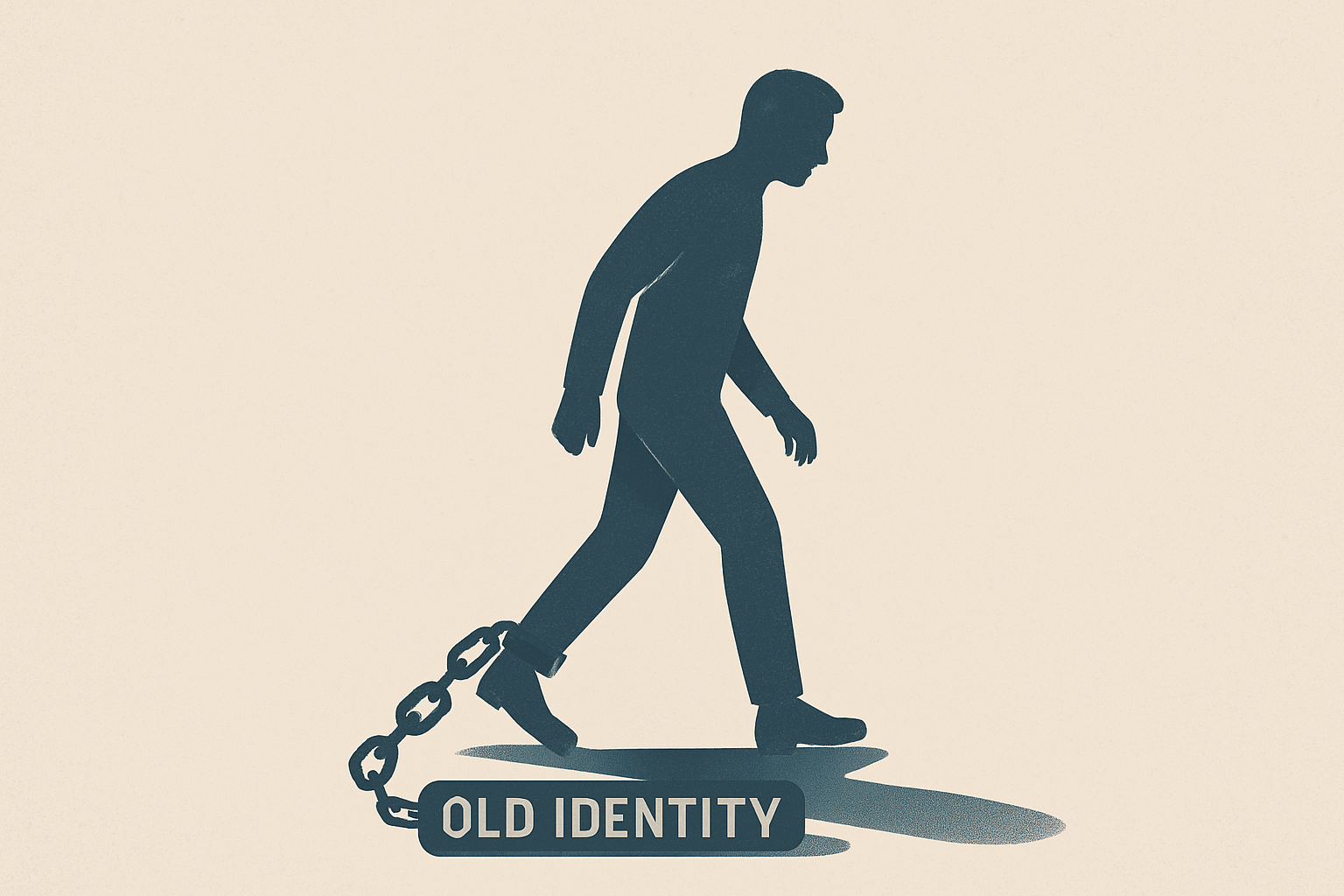
The identity problem explained
Discipline often feels impossible because people try to force behaviors that conflict with their current self-image. You might tell yourself you’ll start working out, but deep down you still see yourself as someone who avoids exercise. That mismatch creates internal conflict.
Your brain seeks consistency between actions and identity. If you attempt to behave like a different person, your mind resists. The result is procrastination, rationalization, and the familiar “I’ll start tomorrow.”
Identity protection and resistance
The brain’s default role is to protect the identity it already holds. Whenever a new behavior contradicts that identity, resistance appears as reluctance, excuses, or fatigue. These responses are not moral failures — they are mechanisms meant to preserve a stable sense of self.
If you want lasting change, you need to shift that protective mechanism so that it defends the new identity instead of resisting it.
Four step framework overview
How the four steps work together
The framework uses four linked steps: identity declaration, immediate action protocol, self-acknowledgement loop, and identity protection activation. Each step supplies what the next needs. Declare an identity, then produce tiny, immediate evidence that supports it. Acknowledge that evidence to build trust with yourself. Over time, the brain updates its model and begins protecting the new identity.
Small actions become accumulated proof. Acknowledgements convert those events into self-trust. Once trust reaches a tipping point, the brain flips and acts to preserve the newly formed identity automatically.
Expected timeline for change
Change is measurable in stages. A single immediate action creates a data point. Repeating that action for several days builds a pattern. After about a week the brain notices consistency. By thirty days, the pattern is often strong enough that skipping feels odd, not simply undesirable. Timelines vary, but daily small wins accelerate the process.
Identity declaration
What identity declaration means
Identity declaration is the act of choosing who you will be, not just what you will do. Statements of identity frame behavior as something you are rather than something you attempt. This shift signals to your brain that the new trait should be part of your stable self-concept.
Make the declaration explicit and present-focused. That helps your mind accept it as current reality rather than a distant aspiration.
How to craft effective identity statements
Keep declarations brief, specific, and stated in present or near-present tense. Use phrases like “I’m becoming…” or “I am…” rather than “I want to be.” Limit yourself to one identity at a time so attention and evidence are concentrated.
Write the statement down. Place it somewhere visible. Repeating it mentally is helpful, but physical notes anchor the intention.
Example identity statements to start with
– I am someone who keeps promises to myself.
– I’m becoming someone who trains consistently.
– I am a person who protects their attention.
Start simple. Choose the version that feels right and commit to proving it.
Immediate action protocol

Why immediate actions beat planning
Plans rely on future versions of yourself, and future you is often the same person who struggles today. Immediate actions remove that gap. They force the present you to demonstrate the new identity without giving the brain time to bargain.
An immediate action is proof the moment it is completed. It turns intention into fact.
Rules for effective immediate actions
Three rules make immediate actions work:
1) Immediate — do it within minutes.
2) Short — completable in under five minutes.
3) Tiny but real — so small you can do it even when motivation is low.
The action must be concrete and observable. Tiny tasks reduce friction while still counting as evidence.
Quick action examples you can do now
Do two push-ups.
Write one sentence.
Set a timer for five minutes and sit to focus.
Put on your workout shoes and step outside for one minute.
These actions are deliberately minimal. Their power comes from repetition.
Self acknowledgement loop
How acknowledgment builds self trust
Completing an action is not the end. Pausing to acknowledge that you did what you said builds internal trust. When you consistently keep small promises, your brain updates its model of you as reliable.
Trust with yourself is the foundation of longer commitments. Without it, the mind defaults to skepticism about future promises.
Simple scripts and timing for acknowledgement
After an action, pause five seconds. Say aloud, “I said I’d do it and I did.” Short and specific phrases work best. If speaking aloud is not possible, mentally note the accomplishment with the same clarity.
Timing matters. Immediate acknowledgement links the action and the recognition in memory, strengthening the signal that you kept your word.
Emotional payoff and how it creates craving
Each successful acknowledgement produces a sense of self-respect. That feeling is rewarding and internally generated. Over days, the brain begins to anticipate the reward of keeping promises, which creates a drive to repeat the behavior.
The reward is the craving for that self-respect. It is what transforms discipline into something you want more of.
Identity protection activation
How the brain flips to protect a new identity
When the brain accumulates enough evidence that you are someone different, it flips from resisting to defending the new identity. Rather than creating barriers, it produces discomfort at actions that would contradict the updated self-image.
This flip is the moment when discipline becomes less about effort and more about maintaining coherence.
Practical signs that identity protection is active
You feel odd opting out of the new behavior. Skipping a routine triggers discomfort or guilt. Habits begin to occur with less conscious prompting. Small relapses are less likely to derail momentum. These are indications the brain is defending the identity.
Real life example from the transcript
A practical case involves someone who didn’t enjoy cardio but identified as a tennis player. Once the tennis-player identity took hold, cardio became a natural part of routine. The behavior changed because it aligned with an adopted identity, not because motivation for cardio increased.
Putting the framework into practice
Building a simple 30 day plan
Week 1: Choose one identity and perform one immediate action daily. Acknowledge each action out loud.
Week 2: Increase frequency of immediate actions while keeping them small. Keep acknowledging.
Weeks 3–4: Combine small actions into short routines. Track days completed. Aim for a 30-day streak.
Keep tasks tiny enough that skipping feels like an avoidable loss, not an overwhelming burden.
Troubleshooting common obstacles
If you miss a day, avoid harsh self-criticism. Resume immediately. If actions feel too large, reduce them further. If acknowledgement feels awkward, practice silently at first. The key is consistency, not perfection.
Resistance often returns when you try to expand too quickly. Stabilize the smaller habit before scaling it up.
Tools and trackers to reinforce the cycle
Use a simple calendar or habit tracker to mark each completed action. Checklists and brief notes of acknowledgements strengthen memory. Timers and phone reminders can prompt immediate actions, but the critical element remains the acknowledgement step.
Conclusion and next steps
How to measure progress
Measure by streaks, number of acknowledgements, and subjective trust in yourself. Track days completed and note how often skipping triggers discomfort. Rising self-respect and reduced internal bargaining are reliable signs of progress.
Recommended further reading and resources
Books that expand on identity and habit include works by James Clear, Charles Duhigg, and Kelly McGonigal. Research on identity-driven behavior change and self-acknowledgement supports the steps outlined here. Use those resources to deepen understanding once you have established the basic practice.
Start small today. Take one tiny action and say the words that confirm it.
Thank you for visiting Your Career Place. Here are some additional articles.
https://yourcareerplace.com/jordan-peterson-reveals-how-to-sell-anything-to-anyone/
https://yourcareerplace.com/command-attention-and-influence-with-5-phrases/