
Budgeting in 2026: Is Your Money Working Hard Enough — or Are You Just Working Hard?
Budgeting in 2026: Is Your Money Working Hard Enough — or Are You Just Working Hard?
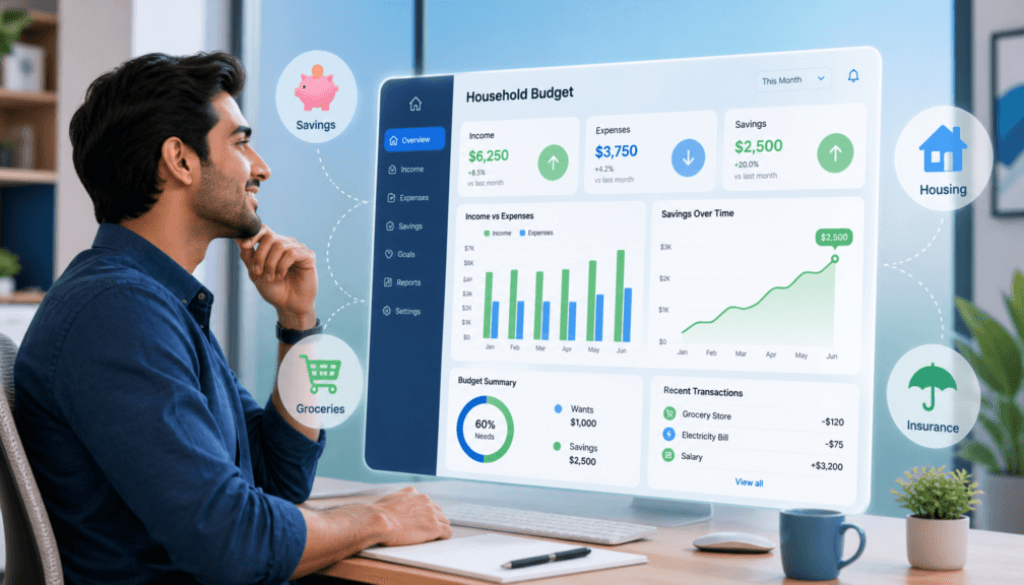
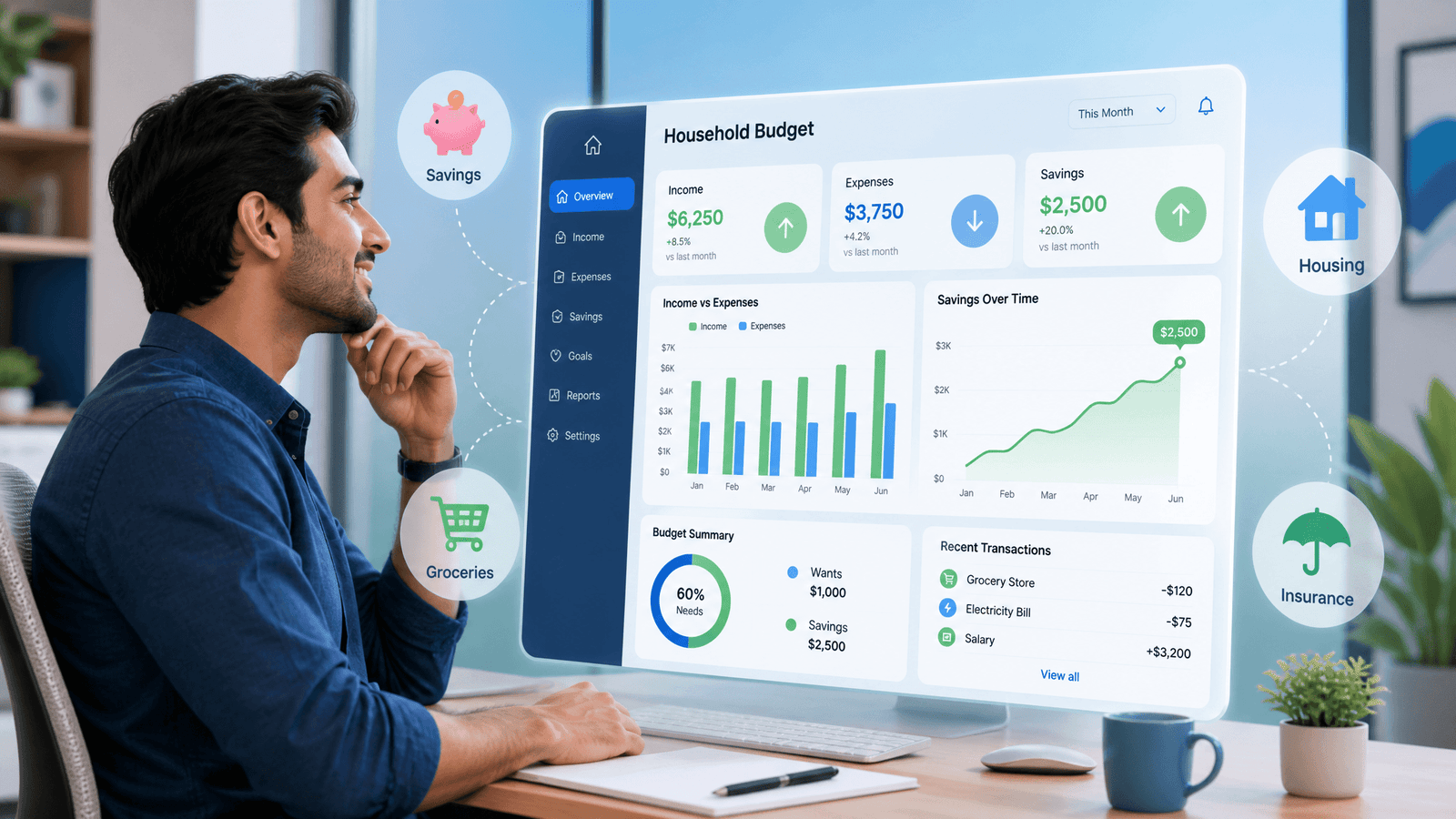
Let’s be honest: budgeting has never been anyone’s favorite topic. It doesn’t have the thrill of picking a hot stock or the excitement of watching crypto prices spike overnight. But in 2026, budgeting might just be the single most powerful financial tool you have — and if you’re not using it, you’re likely leaving real money on the table. At Your Career Place, we talk a lot about building financial security alongside your career, and right now, the two are more connected than ever.
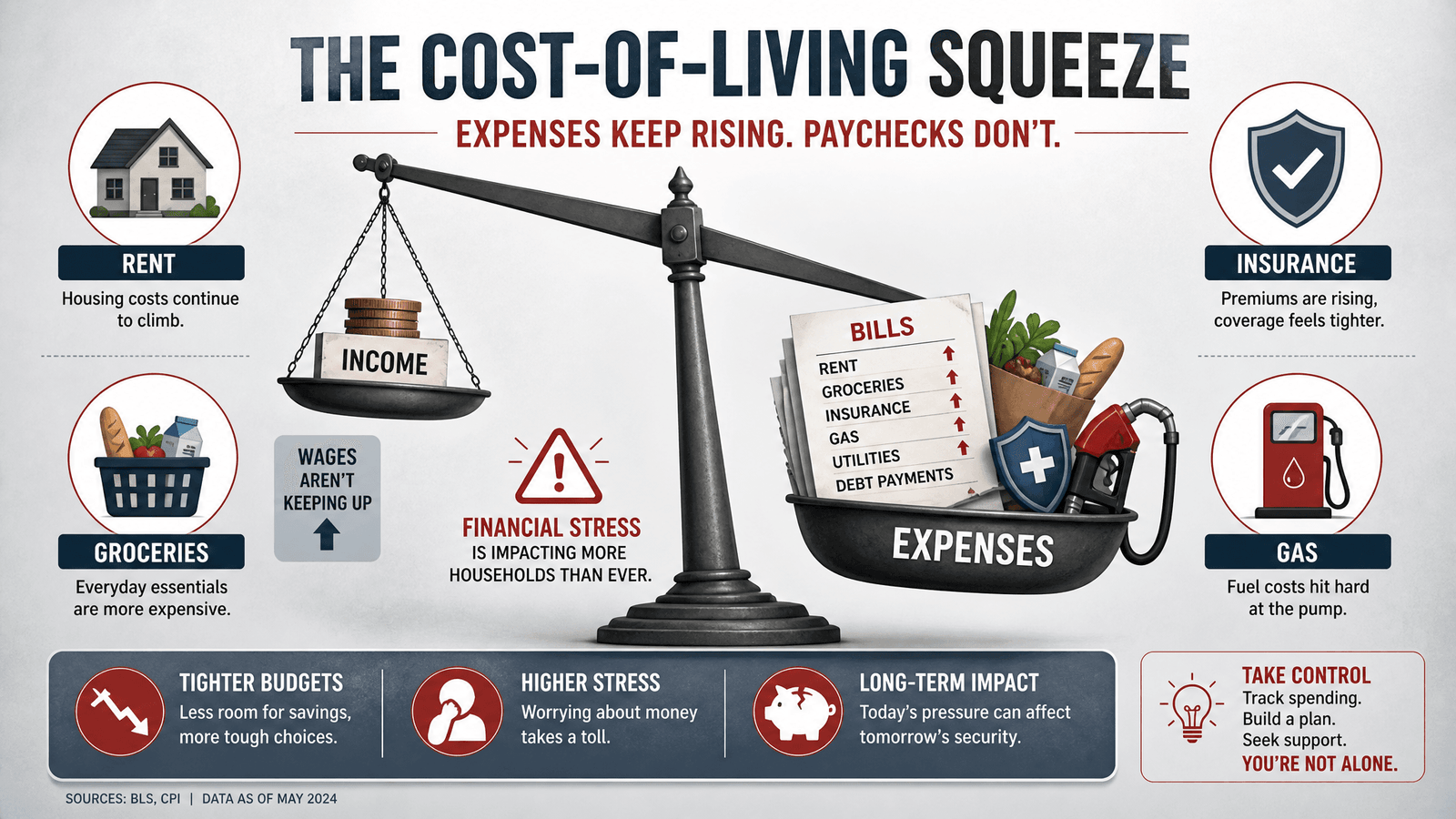
Here’s the reality check: grocery prices are up 32% since 2020. Homeowners’ insurance jumped another 8% in early 2026. Auto insurance is running 7% higher year-over-year. And the personal savings rate? It’s sitting at a dangerously low 2.7% — less than half of what it was before the pandemic. Meanwhile, nearly half of all Americans (48%) are still living paycheck to paycheck, and 50% say rising costs have already derailed their financial goals for this year.
So what do you do? You budget. But not the old-school, rigid, “write down every latte” kind of budgeting. In 2026, smart budgeting looks very different — and it might actually be the thing that saves your financial future.
What’s Actually Happening With Household Budgets Right Now
The numbers tell a complicated story. On paper, inflation has cooled — headline CPI is running somewhere between 2.4% and 3.5% depending on who you ask. That sounds manageable. But here’s the catch: inflation measures the rate of change, not the cumulative damage. Prices aren’t going back to 2019 levels. They’re just rising more slowly from an already painful high.
For most working Americans, the squeeze is concentrated in the categories you can’t avoid: rent, groceries, utilities, insurance, and healthcare. Economists call this a “K-shaped” cost burden — higher earners with diversified assets can absorb it, while middle- and lower-income households face effective inflation rates closer to 4–5% because so much of their spending goes toward these non-negotiable categories.
The data backs this up. A 2026 survey found that 24% of households are spending 95% or more of their disposable income on necessities — leaving virtually nothing for savings, emergencies, or retirement. And 37% of Americans still can’t cover a $400 emergency expense with cash. That’s not a budgeting problem. That’s a financial crisis hiding in plain sight.
The good news? More people are waking up to it. Budgeting adoption rose from 46% in 2025 to 53% in 2026, and 95% of Americans now agree that economic uncertainty has made budgeting more important than ever. The question is whether people are budgeting effectively — or just going through the motions.
The Boomer Perspective: “This Is Exactly Why We Budget”
If you grew up in the 1970s and 1980s, you remember real inflation — the kind that hit 13% and made buying a house feel impossible. You remember interest rates at 18%. You remember clipping coupons not as a hobby but as a survival strategy. And you probably learned early that a budget isn’t a punishment — it’s a plan.
From the Boomer perspective, 2026 is actually a wake-up call that’s long overdue. The pandemic years created a false sense of financial security for many younger Americans — stimulus checks, low interest rates, and a roaring stock market made it easy to spend freely and save little. Now the bill is coming due, and the fundamentals that Boomers swore by are proving their worth all over again.

The Boomer playbook for 2026 looks something like this:
- Pay yourself first. Automate your savings before you spend a dime. Treat it like a bill you can’t skip.
- Live below your means. Not at your means. Below them. The gap between what you earn and what you spend is where wealth is built.
- Build sinking funds. Know that your car insurance renews in October? Your property taxes are due in December? Start saving for those now, monthly, so they don’t blindside you.
- Avoid credit card debt like the plague. With rates still elevated, carrying a balance is one of the most expensive financial mistakes you can make.
- Don’t raid your retirement. The fact that 401(k) hardship withdrawals have tripled since pre-pandemic levels is alarming. That money is your future — protect it.
The optimistic Boomer view is this: the tools work. The principles work. People who stick to a budget, live within their means, and invest consistently over time come out ahead — every single time. The current squeeze is painful, but it’s also clarifying. It’s forcing people to make choices they should have been making all along.
At Your Career Place, we’ve seen this play out in career terms too. The professionals who manage their money well have more options — they can take career risks, negotiate from a position of strength, and weather job transitions without panic. Financial stability and career success are deeply intertwined.
The Doomer Perspective: “Budgeting Can’t Fix a Broken System”
Now for the harder conversation. Because while budgeting is undeniably important, there’s a growing chorus of voices — economists, financial advocates, and frankly a lot of exhausted working people — who argue that personal budgeting has become a way to put the burden of systemic failures on individual shoulders.
Here’s the uncomfortable math: if you’re earning $50,000 a year and spending $48,000 on necessities — rent, groceries, utilities, insurance, childcare, transportation — no amount of budgeting wizardry is going to build you a meaningful emergency fund. You can cut every subscription, brew your own coffee, and never eat out again, and you’ll still be one medical bill away from financial disaster.
The Doomer case in 2026 points to structural problems that budgets can’t solve:
- Housing costs haven’t corrected. Mortgage rates remain elevated, home prices are still near historic highs in most markets, and rental costs continue to consume an outsized share of income for millions of Americans.
- Wages haven’t kept pace. Real wage growth has been positive for some workers, but for many in service industries and lower-income brackets, purchasing power is still below 2019 levels when you account for cumulative price increases.
- Insurance is becoming unaffordable. Homeowners’ insurance is being dropped or priced out of reach in climate-vulnerable states. Auto insurance is up 7% year-over-year. Health insurance premiums continue their relentless climb.
- The savings rate collapse is a warning sign. When the personal savings rate falls to 2.7%, it means people aren’t choosing not to save — they literally can’t. That’s not a budgeting failure. That’s an income adequacy problem.
The Doomer perspective also highlights a generational divide in how people experience the current economy. Younger adults (18–34) are more optimistic about their financial future — perhaps because they haven’t yet accumulated the obligations (mortgages, kids, aging parents) that make the squeeze so acute. Older workers (55+) are significantly more pessimistic, and with good reason: they have less time to recover from financial setbacks and face a retirement landscape that looks increasingly uncertain.
The hard truth is that budgeting is necessary but not sufficient. It’s a tool, not a solution. And for millions of Americans, the real problem isn’t that they don’t know how to budget — it’s that there’s not enough money to budget with.
What Actually Works: Budgeting Strategies for 2026
Whether you lean Boomer or Doomer on the big picture, the practical reality is that a good budget gives you more control than no budget. Here’s what financial experts are recommending right now — and what the team at Your Career Place thinks is worth your attention:
1. Ditch the Static Budget
The old approach — set a budget in January and stick to it all year — doesn’t work when prices are volatile. Instead, adopt a flexible budgeting framework that you review every 3–6 months. Use percentage-based allocations (e.g., 50% needs, 30% wants, 20% savings) rather than fixed dollar amounts, so your budget automatically adjusts as your income changes.
2. Try Tiered Budgeting
Divide your expenses into Tier 1 (non-negotiables: rent, utilities, groceries, insurance, minimum debt payments) and Tier 2 (flexible: dining out, entertainment, subscriptions, clothing). When Tier 1 costs rise — and they will — you cut Tier 2 first. This protects your essentials while giving you a clear lever to pull when things get tight.
3. Build Sinking Funds
A sinking fund is money you set aside monthly for a predictable future expense. Car registration, holiday gifts, annual insurance premiums, back-to-school costs — these aren’t surprises, they’re just expenses you haven’t planned for yet. Start small: even $25/month per category adds up to $300 by year-end.
4. Automate Everything You Can
The research is clear: people who automate their savings save more. Set up automatic transfers to a high-yield savings account on payday. Automate your retirement contributions. Make saving the default, not the afterthought.
5. Use the Right Tools
The budgeting app landscape in 2026 is genuinely impressive. Monarch Money and Quicken Simplifi are the top all-around picks for most people. YNAB (You Need A Budget) is the gold standard if you want to get serious about zero-based budgeting — assigning every dollar a job. Origin is worth a look if you want to integrate budgeting with investment tracking and tax planning in one place. And Rocket Money is excellent for hunting down and canceling subscriptions you forgot you had.
6. Address the Income Side
This is where Your Career Place comes in. Budgeting is about managing what you have — but career development is about growing what you have. If your budget is perpetually underwater, the answer might not be cutting more expenses. It might be negotiating a raise, developing a high-demand skill, or making a strategic career move. The professionals who thrive financially in 2026 are the ones who work both sides of the equation.
Key Takeaways
- The squeeze is real. Grocery prices are up 32% since 2020, insurance costs are surging, and the personal savings rate has collapsed to 2.7%. Budgeting isn’t optional anymore — it’s essential.
- More Americans are budgeting — 53% in 2026, up from 46% last year — but half still say rising costs are derailing their financial goals.
- Flexible, tiered budgeting outperforms rigid, static budgets in a volatile price environment. Review and adjust every 3–6 months.
- Sinking funds and automation are two of the highest-impact, lowest-effort changes you can make to your financial life right now.
- Technology helps. Apps like Monarch Money, YNAB, and Origin make it easier than ever to track, plan, and optimize your spending.
- Budgeting alone isn’t enough for everyone. If your income isn’t keeping pace with costs, career development — upskilling, negotiating, advancing — is part of the financial solution.
Disclaimer: The information provided in this article is for educational and informational purposes only and does not constitute financial, investment, or professional advice. Personal finance decisions should be made based on your individual circumstances. Consider consulting with a qualified financial advisor before making significant financial decisions. Your Career Place is not a licensed financial advisor.