
Upskilling and Reskilling in 2026: Your Career Survival Guide
Upskilling and Reskilling in 2026: Your Career Survival Guide
Published by Your Career Place | August 6, 2026
Introduction: The Skills Clock Is Ticking
Here at Your Career Place, we’ve been watching a seismic shift unfold in the world of work — and if you haven’t felt it yet, you will soon. The professional skills you spent years building? They now have a shelf life of roughly five years. A decade ago, that window was closer to a decade. The culprit, of course, is the relentless march of artificial intelligence and automation, which is rewriting job descriptions faster than most of us can keep up.
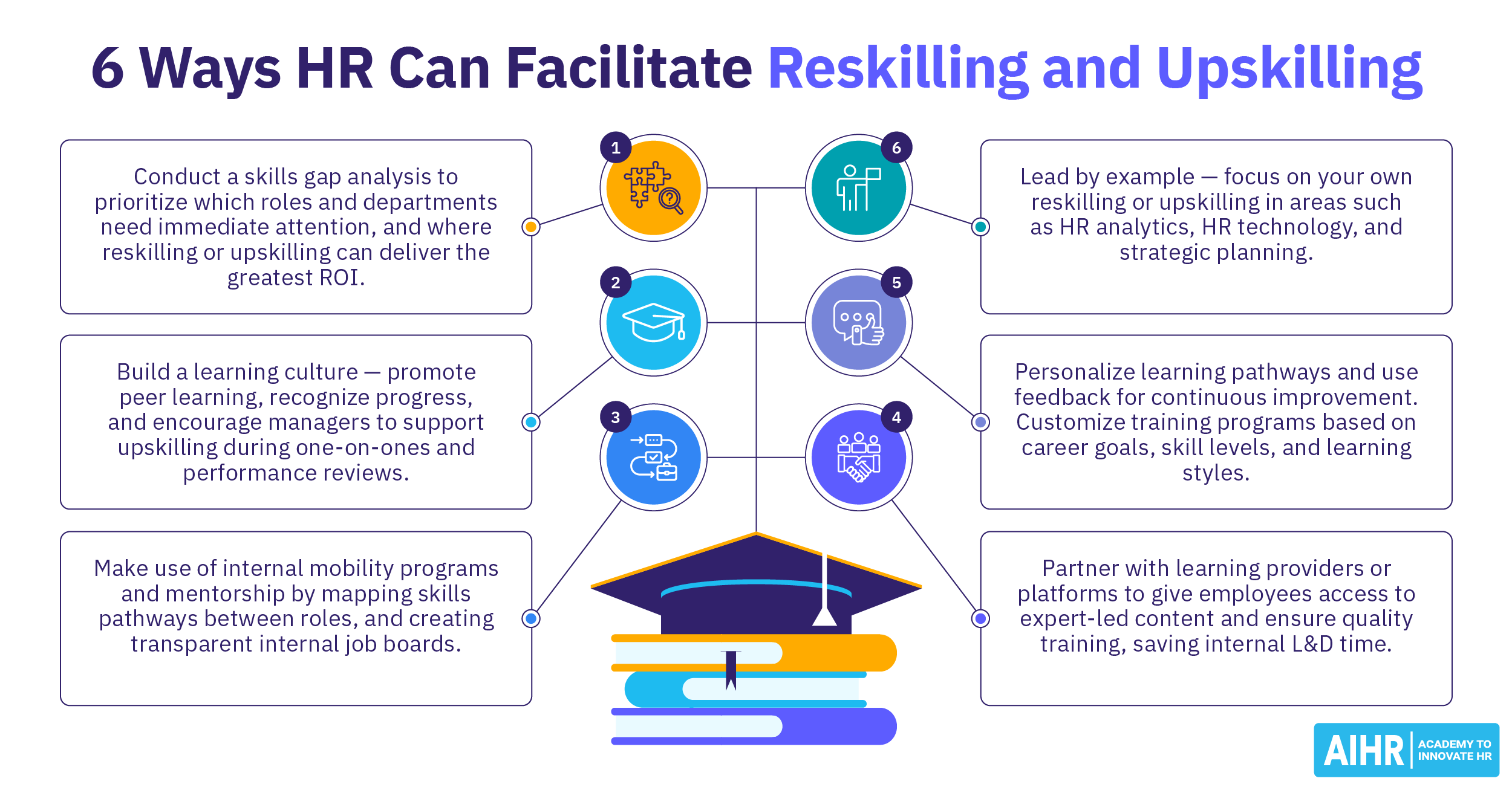
Upskilling — deepening your existing expertise — and reskilling — learning entirely new capabilities to pivot into different roles — have gone from optional career enhancements to genuine survival strategies. The World Economic Forum estimates that one billion workers globally will need reskilling for an AI-driven economy, and 80% of the global workforce will need to acquire new skills by 2027 just to remain competitive. Those are staggering numbers, and they affect everyone from recent graduates to seasoned executives.
So what does the upskilling and reskilling landscape actually look like in 2026? What’s working, what’s failing, and what should you personally be doing about it? Here at Your Career Place, we’ve dug into the latest research and trends to give you a clear-eyed view — including both the optimistic and the cautionary perspectives.
What’s Happening Right Now: The Latest News and Trends
The data coming out of 2026 paints a picture of urgency mixed with opportunity. Here are the key developments shaping the upskilling and reskilling conversation:
Skills Are Expiring Faster Than Ever
According to research from Fuel50, 53% of organizations now report that critical industry skills become obsolete within three years or less — and 15% say the window is under one year. This isn’t just a tech-sector problem. Finance, healthcare, marketing, and even skilled trades are all experiencing rapid skill turnover driven by AI integration and process automation.
The Participation Paradox Is Real
Here’s the frustrating irony: 90% of HR teams are now using skills data to inform decisions, and 93% track learning outcomes — yet only 34% of organizations report that more than half of their employees are actively engaging with upskilling programs. Companies are building the infrastructure, but workers aren’t showing up. The reasons range from time constraints (50% of employees cite lack of time as their primary barrier) to skepticism about whether training will actually lead to advancement.
AI Fluency Is the New Baseline
Research from Digital Applied categorizes today’s workforce into four AI proficiency tiers: AI-Aware (45% of workers), AI-Enabled (30%), AI-Fluent (20%), and AI-Native (5%). The biggest career leverage right now sits in moving from “Enabled” to “Fluent” — meaning you can design AI workflows, automate processes, and train others. Prompt engineering skills alone now command a 56% wage premium in the job market.
Employers Are Investing — But Not Enough
According to SHRM, 39% of HR professionals identified ongoing employee development as their second-highest priority in 2026, trailing only technology upgrades. And 89% of organizations now say upskilling is more cost-effective than hiring new talent. Yet CompTIA’s Workforce and Learning Trends 2026 report found that only 31% of organizations are actively investing in comprehensive reskilling programs. The gap between intention and action remains wide.
The Financial Case Is Compelling
For individuals, the numbers are encouraging: U.S. workers who participate in upskilling programs see an average annual income increase of $8,000 — roughly 8.6%. And 75% of those who engage in skill development report some form of career advancement, with 39% advancing within their current organization within six months of completing training.
The Boomer Perspective: Opportunity Knocks — Answer the Door
If you’re looking at the upskilling and reskilling wave with optimism, there’s plenty of reason to feel that way. This moment in history represents one of the greatest opportunities for career reinvention that most of us will ever see.
Think about it: employers are desperate. With 88% of tech employers reporting difficulty finding professionals with the necessary skills, and a potential loss of $8.5 trillion in annual revenue globally due to 85 million unfilled jobs by 2030, the leverage is shifting toward workers who proactively develop in-demand capabilities. You don’t need to be a computer scientist to benefit — remember, only 10-20% of skills required for AI-exposed roles are purely technical. The rest are human capabilities: critical thinking, adaptability, communication, and emotional intelligence. These are skills that experienced professionals often already have in abundance.
The financial returns are real and measurable. An $8,000 annual income bump for completing training programs? That’s not a rounding error — that’s a meaningful quality-of-life improvement. And companies are increasingly willing to fund this development: 62% of HR and IT leaders expect budgets for AI training to increase over the coming year. Many organizations will pay for your certifications, courses, and learning platforms if you simply ask.
The shift toward skills-based hiring is also a genuine equalizer. When employers prioritize proven capabilities over traditional credentials, it opens doors for career changers, self-taught professionals, and anyone willing to demonstrate competence through portfolio work, certifications, or project experience. The old gatekeeping of “you need a degree from the right school” is weakening. What matters now is what you can actually do.
Here at Your Career Place, we see this as a moment to lean in, not back away. The workers who thrive in the next decade will be those who treat learning as a continuous practice rather than a one-time credential. The tools have never been more accessible — from AI-powered personalized learning platforms to micro-credentials that can be earned in weeks — and the payoff has never been more direct.

The Doomer Perspective: When the Treadmill Speeds Up
Not everyone is feeling optimistic about the upskilling imperative — and their concerns deserve serious attention. Because for all the talk of opportunity, there’s a darker reality lurking beneath the surface of the 2026 workforce landscape.
The most troubling trend is what researchers are calling the “participation paradox.” Companies are building elaborate learning infrastructure, tracking skills data, and publishing impressive statistics about their commitment to employee development. But only 34% of organizations see more than half their employees actually engaging with these programs. Why? Because learning takes time, and most workers are already stretched thin. When 50% of employees cite lack of time as their primary barrier to training, that’s not a motivation problem — it’s a structural one. You can’t upskill on an empty tank.
There’s also a troubling early signal in the labor market: a 14% drop in hiring for entry-level workers aged 22-25 in AI-exposed fields like financial analysis, project management, and customer service. If AI is automating the entry-level work that used to serve as the training ground for career development, where do the next generation of mid-level professionals come from? The ladder may be getting pulled up even as we’re told to climb faster.
The pace of change itself is a source of anxiety. When 15% of organizations say critical skills become obsolete in under a year, the implicit message is that you can never stop running. Learning fatigue is real — and when training content becomes outdated faster than it can be deployed, the whole system starts to feel like a hamster wheel. Workers who invest time and money in certifications may find those credentials devalued before they’ve had a chance to leverage them.
And let’s be honest about who bears the cost. While 89% of organizations say upskilling is more cost-effective than hiring, only 31% are actually investing in comprehensive programs. The gap between what companies say and what they fund is significant. Too often, the burden of upskilling falls on individual workers — on their personal time, with their personal funds — while employers reap the productivity benefits. That’s not a partnership; it’s an externalized cost.
Here at Your Career Place, we believe in naming these tensions honestly. The upskilling imperative is real, but so is the risk of burnout, inequity, and disillusionment when the promise of development doesn’t translate into actual advancement.
Key Takeaways: What You Should Actually Do
Whether you’re feeling energized or anxious about the upskilling landscape, the practical question is the same: what should you do right now? Here at Your Career Place, we recommend focusing on these concrete actions:
- Audit your current skill shelf life. Honestly assess which of your core competencies are most vulnerable to AI disruption. Tools like LinkedIn Skills Assessments, industry reports, and job posting analysis can help you identify where the gaps are forming.
- Move from AI-Aware to AI-Enabled. If you’re not yet integrating AI tools into your daily workflow, start now. Experiment with AI assistants for drafting, analysis, research, and project management. This is the minimum baseline for most professional roles in 2026.
- Target role-specific training. Generic courses have limited impact. Research from SHRM shows that 39% of employees find role-specific training most beneficial. Seek out learning that directly applies to your current job or your target next role.
- Ask your employer to fund it. With 62% of HR and IT leaders expecting AI training budgets to increase, now is the time to make the ask. Come prepared with a specific course, certification, or program and a clear case for how it benefits the organization.
- Prioritize human skills alongside technical ones. Critical thinking, adaptability, communication, and emotional intelligence are the skills that AI cannot easily replicate — and they make up 80-90% of what’s needed even in AI-exposed roles. Don’t neglect them in favor of purely technical training.
- Build in public. Certifications matter, but demonstrated competence matters more. Create projects, contribute to open-source work, write about what you’re learning, or take on stretch assignments that let you show — not just tell — what you can do.
- Protect your time for learning. If your employer doesn’t build learning time into your schedule, advocate for it. Even 30 minutes a day compounds dramatically over a year. Treat it as non-negotiable, not optional.

Conclusion: The Learning Never Stops — And That’s Okay
The upskilling and reskilling conversation in 2026 is ultimately about something deeper than job security or salary bumps. It’s about agency — your ability to shape your own career trajectory in a world that’s changing faster than any of us anticipated.
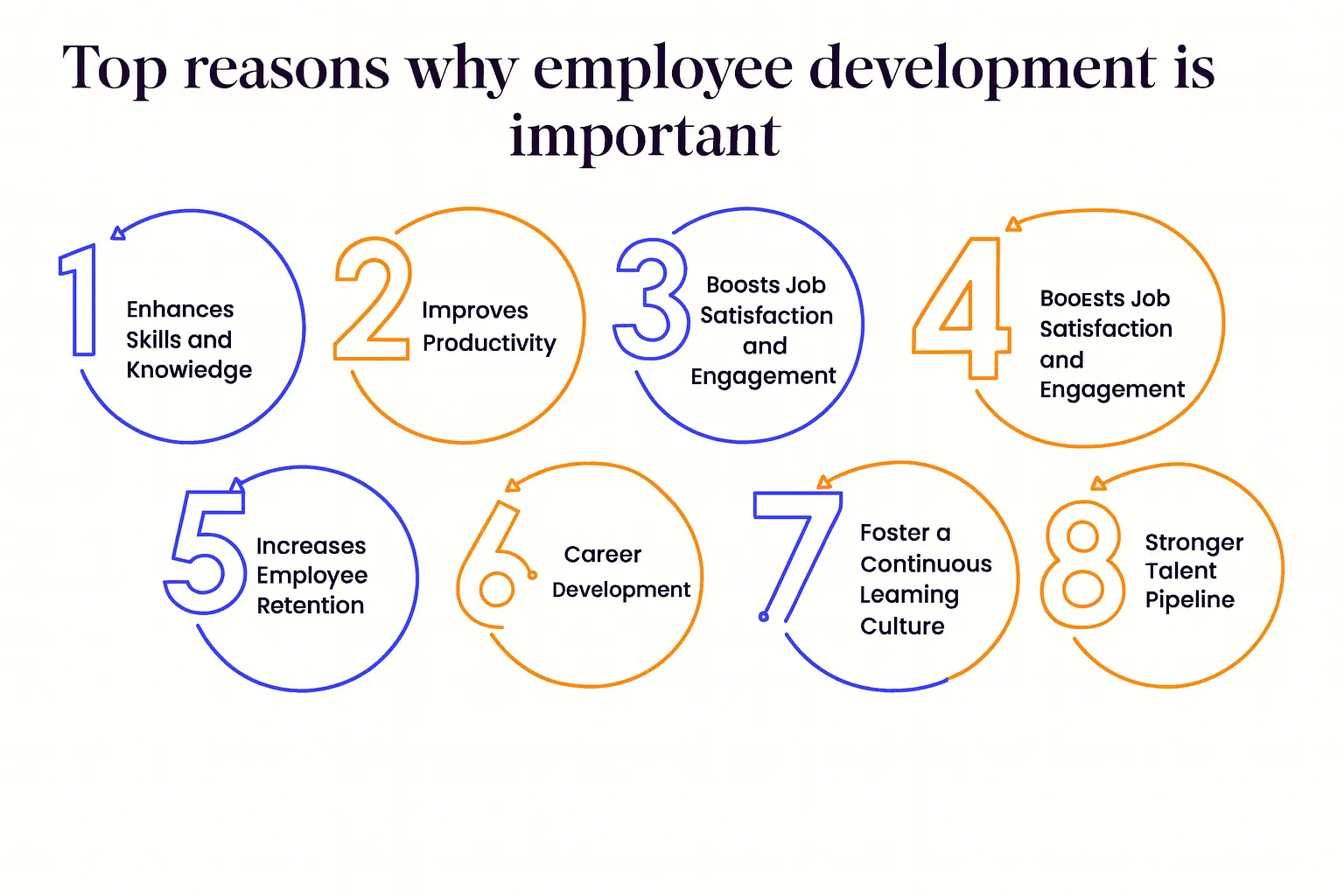
The statistics are clear: workers who invest in their development earn more, advance faster, and stay employed longer. Companies that invest in their people retain talent longer and outperform those that don’t. The case for continuous learning has never been stronger.
But the path isn’t without friction. The pace is relentless, the resources aren’t always equitably distributed, and the promise of upskilling doesn’t always translate into the advancement workers deserve. Navigating that gap requires both individual initiative and collective advocacy for better workplace learning cultures.
Here at Your Career Place, we’re committed to helping you do both. Whether you’re just starting to think about your next skill investment or you’re deep in a career pivot, we’re here with the research, the perspective, and the practical guidance to help you move forward with confidence. The learning never stops — and in 2026, that’s not a burden. It’s your competitive edge.
Sources: