

Salary Negotiation in 2026
How to Ask for What You’re Worth Without Burning the Bridge
Let’s be honest—most people would rather walk across hot coals than negotiate their salary.
It feels awkward. It feels risky. And for years, conventional wisdom told us to just be grateful for the offer and sign on the dotted line. But here is the thing: in 2026, that mindset is costing you thousands of dollars. Maybe tens of thousands.
According to the latest data, roughly 73% of employers now expect candidates to negotiate. Of those who actually do, about 85% walk away with a better deal—averaging a 12.45% bump. That is real money. Yet only around 30% of workers ever ask. The rest leave it on the table, often because they simply do not know how.
That is where Your Career Place comes in. Whether you are a fresh graduate staring at your first offer letter or a seasoned pro switching industries, knowing how to negotiate in today’s hiring landscape is not optional anymore. It is a core career skill. Let’s break down what is changed, what is working, and how to walk into that conversation with confidence.
What Is Different About Salary Negotiation in 2026?
A lot has shifted in the past few years, and not all of it is obvious.
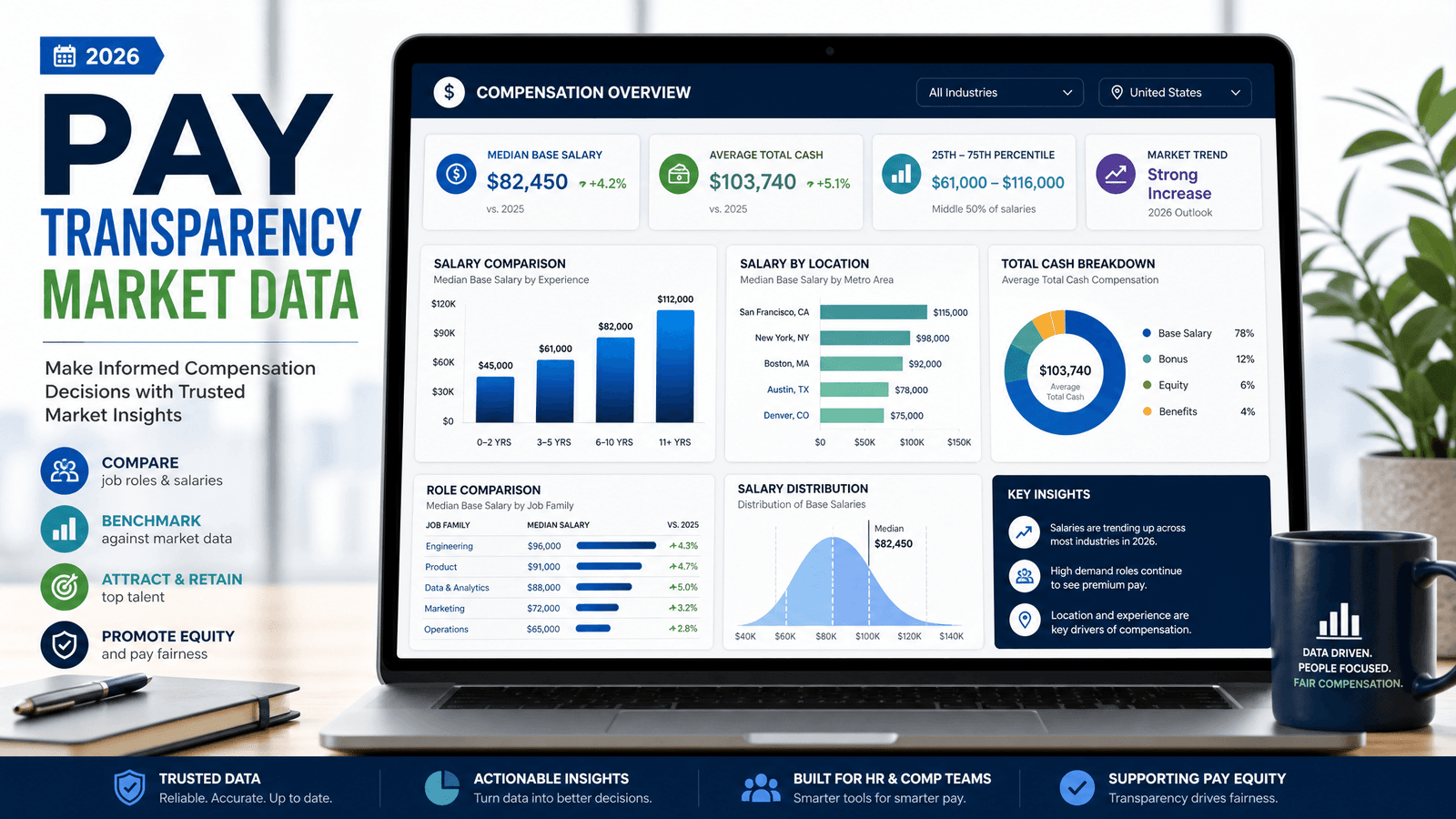
First, pay transparency laws have exploded. More than fourteen U.S. states and the entire European Union now require employers to list salary ranges in job postings. This is not a small detail—it fundamentally rewires the power dynamic. Candidates can see the anchor before they ever send a resume, which means less guessing, less ghosting over mismatched expectations, and more informed conversations from day one.
Second, the process itself has become more compressed and more data-driven. Companies are moving faster. Top candidates are often receiving offers within seven to ten days of first contact. At the same time, employers are using structured scoring rubrics and AI-assisted compensation benchmarking to decide what they are willing to pay. That means your counteroffer needs to be grounded in facts, not feelings.
Third, the scope of negotiation has widened. Base salary is still the headline, but smart candidates in 2026 are negotiating the total package: signing bonuses, equity, performance bonuses, remote work arrangements, extra vacation days, learning budgets, and accelerated review timelines. If the employer cannot move on salary because of internal pay bands, there are usually five other levers you can pull.
Your Career Place has been tracking these trends closely, and the pattern is clear: the candidates who do their homework before the conversation are the ones who win.
Boomer’s Perspective: This Is the Golden Age of Candidate Leverage
If you are an optimist—and there is good reason to be—2026 looks like a paradise for job seekers who know how to play the game.
Pay transparency laws have effectively armed candidates with information that used to be locked behind HR doors. You no longer have to guess what a role pays. You can see it, compare it across markets, and walk into the conversation with third-party data from Glassdoor, LinkedIn Salary, Levels.fyi, and even government labor statistics. That is a massive shift. Knowledge is leverage, and leverage is money.
Moreover, the social stigma around negotiation is fading fast. It is increasingly seen as a sign of professionalism, not greed. Employers expect it. Hiring managers respect it. And the data backs it up: candidates who negotiate are not penalized; they are rewarded. An average increase of 12.45% is not a rounding error. Over a decade, that compound difference can mean six figures in lifetime earnings.
Then there is the total compensation angle. In an era where remote work, mental health, and work-life balance are headline priorities, candidates can negotiate for things that improve quality of life without costing the employer much. Extra PTO, a flexible schedule, or a learning stipend might be easier to secure than an extra five thousand dollars in base pay—and they can be worth far more to you personally.
From the Boomer’s view, the tools have never been better. AI-powered coaching apps can simulate negotiation conversations. Real-time market data is free and abundant. And employers are more transparent than ever. If you are not negotiating in 2026, you are not leaving money on the table. You are leaving an entire buffet.
Doomer’s Perspective: The Game Is Rigged and the Clock Is Ticking
Now let’s flip the coin. Because for every candidate who negotiates successfully, there are several who walk away worse off—or who never even get the chance.
Here is the uncomfortable truth: while 73% of employers expect negotiation, that does not mean every employer handles it gracefully. Power dynamics still exist. Bias still exists. And not every manager has been trained to separate a business conversation from a personal offense. For women, people of color, and younger candidates, the social penalties of negotiating can be real, even if the frequency gap has narrowed. The data shows that outcome disparities persist, and “framing requests relationally” is a workaround, not a fix.
Then there is the compression problem. Companies may post salary ranges, but those ranges are sometimes so wide they are meaningless—$60,000 to $120,000 tells you almost nothing about where you will actually land. Worse, some employers use transparency as a filter, expecting candidates to self-select at the bottom of the range. If you do not know how to anchor high and justify it, you are essentially pre-approving a lowball offer.
The rise of AI in compensation benchmarking also cuts both ways. Employers use it to justify rigid pay bands. “The algorithm says this is the market rate,” they might say, as if an algorithm is a neutral arbiter rather than a reflection of historical wage gaps and industry conventions. Meanwhile, candidates using AI prep tools can come across as robotic or over-rehearsed, undermining the human connection that often tips a negotiation in your favor.
Finally, the compressed timeline works against thoughtful negotiation. When an offer arrives in seven days and the recruiter is pushing for a decision by Friday, candidates feel pressure to accept quickly rather than negotiate carefully. The “power of silence” tactic only works if you have time. And in a market where urgency is weaponized, many candidates simply fold.

Key Takeaways: How to Negotiate Like a Pro in 2026
Whether you lean Boomer or Doomer, the path forward is the same: preparation, precision, and timing. Here is what Your Career Place recommends.
1. Do your homework before the first interview.
Research the role, the company, and the market. Cross-reference at least three salary sources. Know the leverage tier you are operating in. If you are a generalist with no competing offers, aim for a 5–8% increase. If you are a top performer with multiple options, 15–20% is in play.
2. Anchor with precision.
Say $102,500 instead of $100,000. Precise numbers signal research and seriousness. They also create a stronger psychological anchor, pulling the final number closer to your target.
3. Frame everything around business value and market alignment.
Never lead with personal financial pressure. Always connect your ask to what you bring to the table and what the market supports. “Based on my research and the scope of this role, I was expecting a base in the $95,000 to $105,000 range” is far stronger than “I really need more because my rent went up.”
4. Negotiate the total package, not just the base.
If the salary is capped, pivot immediately to signing bonuses, equity, PTO, remote flexibility, learning budgets, or review acceleration. These can add massive value without breaking the employer’s pay band.
5. Time it right.
The best moment to negotiate is after you have a written offer but before you sign. For current employees, align your ask with project completions or performance review cycles. And after you state your counter, stop talking. Let silence do the work.
6. Practice out loud.
Use a mirror, a friend, or an AI simulation. The words need to feel natural. If you sound rehearsed, you lose credibility. If you sound confident, you gain it.
Final Thoughts
Salary negotiation in 2026 is not about being aggressive. It is about being informed, strategic, and unafraid to ask for what the market says you are worth. The tools are there. The data is there. And increasingly, the expectation is there too.
Your Career Place exists to make sure you are ready for moments like this—not just with tips, but with the confidence to act on them. The difference between a good career and a great one often comes down to a single conversation. Make sure yours counts.