

Mastering Interview Techniques in 2026
What Every Job Seeker Needs to Know
Published by Your Career Place | May 7, 2026
Introduction
If you’ve been on the job hunt recently, you’ve probably noticed that interviews don’t look quite the same as they did five years ago. Gone are the days when you could simply show up in a sharp suit, shake a few hands, and answer a handful of standard questions. Today’s interview landscape is a dynamic, technology-driven arena where AI tools, video platforms, behavioral assessments, and skills-based evaluations are all part of the game.
Here at Your Career Place, we believe that staying ahead of these changes isn’t just helpful — it’s essential. Whether you’re a recent graduate stepping into your first professional role or a seasoned professional eyeing your next big move, understanding the latest interview techniques can mean the difference between landing the job and getting lost in the pile. In this post, we’re breaking down everything you need to know about interview techniques in 2025 and beyond, including the latest trends, what’s working, and — because we like to keep it real — both the optimistic and the cautionary perspectives.
What’s Happening in the World of Job Interviews Right Now
The interview process has undergone a seismic shift over the past few years, and 2025 has brought even more changes to the table. Here’s a roundup of the most significant developments shaping how companies hire — and how candidates need to prepare:
1. AI Is Everywhere in Hiring
According to a TIME Magazine report from August 2025, a staggering 96% of U.S. hiring professionals now use AI in some part of their recruiting process. AI tools are scanning resumes, conducting initial screening interviews, analyzing video responses for communication style and emotional cues, and even predicting candidate success using data analytics. Companies like PSG Global Solutions have deployed AI bots to conduct first-round interviews, and research shows that candidates who go through AI-led interviews are actually 12% more likely to receive a job offer.
But it’s not just employers using AI — candidates are too. The Next Web reported in March 2026 that Gen Z job seekers are increasingly using AI tools for real-time interview assistance, raising serious ethical questions about authenticity in the hiring process.

2. Skills-Based Hiring Is Replacing Degree Requirements
One of the most significant shifts in 2025 is the move toward skills-based hiring. According to The Interview Guys’ 2025 State of Job Search Report, 81% of businesses now prioritize skills over traditional degrees, and 45% of companies are expected to drop degree requirements for key roles. This means interviews are increasingly focused on what you can actually do — not just what credentials you hold.
3. Virtual and Hybrid Interviews Are the New Normal
Over 86% of firms now use video conferencing for interviews, according to GoLogica’s 2025 interview trends analysis. Asynchronous video interviews — where candidates record responses to pre-set questions on their own time — are also gaining traction, particularly for early-stage screening. Candidates need to be comfortable performing on camera, managing technical setups, and projecting confidence through a screen.

4. Behavioral Interviews and the STAR Method Remain King
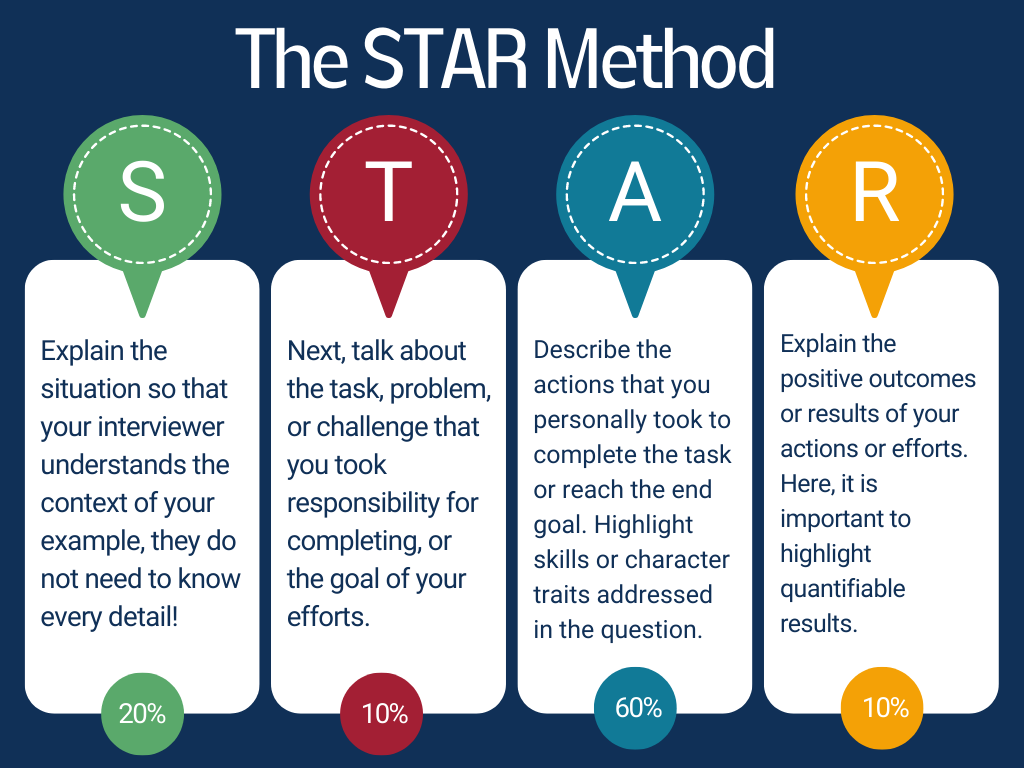
Despite all the technological changes, behavioral interviewing remains the gold standard for assessing candidates. Advantedge Training’s 2025 guide highlights that structured behavioral interviews reduce hiring bias and improve retention rates by selecting candidates who are a better long-term fit. The STAR method (Situation, Task, Action, Result) continues to be the most effective framework for structuring compelling answers.
5. Emotional Intelligence Is a Top Priority
Technical skills will get you in the door, but emotional intelligence (EQ) is increasingly what gets you the offer. Employers are using behavioral and situational questions to assess empathy, self-awareness, resilience, and conflict resolution. Temporary Staffing Professionals’ 2025 trends report notes that EQ is now considered more important than technical capabilities in many industries, particularly for leadership and client-facing roles.
6. Pay Transparency Is Changing the Conversation
As of 2025, 14 U.S. states plus Washington D.C. have enacted pay transparency laws, and nearly 50% of U.S. employees are expected to be covered by such laws by 2026. This is reshaping salary conversations during interviews, giving candidates more leverage and information than ever before.
🌟 The Boomer Perspective: Reasons to Be Optimistic About Modern Interviews
Let’s look on the bright side — and there’s plenty to be optimistic about when it comes to today’s interview landscape.
Technology is leveling the playing field. For decades, job seekers who lacked access to elite networks or prestigious universities faced an uphill battle. Today, AI-driven skills assessments and structured interviews are reducing the role of unconscious bias and old-boy networks. When a hiring algorithm evaluates your competencies rather than your alma mater, that’s a genuine step forward for meritocracy.
Virtual interviews remove geographic barriers. Not long ago, landing a job in a different city meant expensive travel, time off work, and logistical headaches just to get to an interview. Today, you can interview for a role in New York from your living room in Kansas City. This opens up opportunities that simply didn’t exist before, and here at Your Career Place, we’ve seen firsthand how this has transformed career trajectories for people in smaller markets.
Skills-based hiring rewards hard work and continuous learning. The shift away from degree requirements is genuinely exciting for people who’ve built their expertise through experience, certifications, bootcamps, and self-directed learning. If you’ve been upskilling and building a portfolio of real-world accomplishments, 2025’s interview environment rewards that investment more than ever.
More information means better preparation. Between pay transparency laws, Glassdoor reviews, LinkedIn insights, and AI-powered interview prep tools, today’s candidates have access to more information about companies, roles, and salary ranges than any previous generation. A well-prepared candidate in 2025 can walk into an interview knowing exactly what to expect — and that’s empowering.
The candidate experience is improving. Companies are increasingly aware that how they treat candidates during the interview process reflects their employer brand. Faster feedback, personalized communication, and more transparent processes are becoming the norm, not the exception. That’s good news for everyone.
⚠️ The Doomer Perspective: The Challenges and Concerns Worth Taking Seriously
Of course, not everything about the modern interview landscape is sunshine and rainbows. Here at Your Career Place, we believe in giving you the full picture — including the parts that are genuinely concerning.
AI screening is creating a “black box” problem. When 40% of job applications are screened out before a human ever sees them, something is wrong. ATS systems and AI screening tools are notoriously opaque — candidates often have no idea why they were rejected, and the criteria used can inadvertently disadvantage qualified people who simply don’t know how to “game” the algorithm. The promise of bias reduction through AI is real, but so is the risk of encoding new forms of bias into automated systems.
The authenticity crisis is real. With 74% of hiring managers reporting that they can detect AI-generated content in applications and interviews, we’re entering a strange new world where both sides are using AI to interact with each other — and neither side fully trusts the other. When candidates use AI to generate interview answers in real time, and companies use AI to detect that behavior, the interview process risks becoming a technological arms race rather than a genuine human connection.
Video interview fatigue is a genuine issue. Back-to-back video interviews are exhausting in a way that in-person interviews simply aren’t. The cognitive load of managing your appearance, your background, your internet connection, and your performance simultaneously takes a toll. Research shows that many candidates find AI-conducted interviews “cold” and “dystopian,” and the lack of human connection can make it harder to convey personality and cultural fit.
Skills-based hiring has a dark side. While the shift away from degree requirements sounds progressive, it can also mean that companies use vague “skills assessments” to justify paying less, or that the goalposts for what constitutes a “skill” keep moving. Without clear standards, skills-based hiring can become just as arbitrary as credential-based hiring — just with different gatekeepers.
The job market remains brutally competitive. Despite all the technological advances, the fundamental challenge hasn’t changed: there are often far more qualified candidates than there are good jobs. AI screening may be faster, but it doesn’t create more opportunities. For many job seekers, the modern interview process feels like running a gauntlet — and the finish line keeps moving.
Key Takeaways: What You Can Do Right Now
Whether you’re feeling optimistic or cautious about the state of job interviews in 2025, the practical steps for success remain clear. Here at Your Career Place, here’s what we recommend:
- Optimize your resume for ATS. Use keywords from the job description, keep formatting clean and simple, and make sure your most relevant skills are front and center. Don’t let an algorithm screen you out before a human gets a chance to see your value.
- Master the STAR method. Prepare 8-10 strong behavioral stories from your career that demonstrate key competencies like leadership, problem-solving, adaptability, and collaboration. Practice telling them out loud until they feel natural.
- Get comfortable on camera. Set up a dedicated interview space with good lighting, a neutral background, and reliable internet. Practice video interviews with a friend or use an AI mock interview tool to get comfortable with the format.
- Develop your emotional intelligence. Be ready to discuss how you handle conflict, manage stress, support teammates, and adapt to change. These aren’t soft questions — they’re often the deciding factor between equally qualified candidates.
- Use AI as a tool, not a crutch. AI interview prep tools can be incredibly helpful for practice and feedback. But your authentic voice, real experiences, and genuine personality are what will ultimately win over a hiring manager. Use AI to prepare, not to perform.
- Research salary ranges before every interview. With pay transparency laws expanding, there’s no excuse for going into a salary conversation blind. Know your worth and be ready to advocate for it.
- Follow up thoughtfully. A well-crafted thank-you note after an interview still makes a difference. It demonstrates professionalism, reinforces your interest, and keeps you top of mind.
Final Thoughts
The world of job interviews is changing faster than ever, and it can feel overwhelming to keep up. But here at Your Career Place, we believe that the fundamentals of a great interview haven’t changed: know your story, know your value, and connect authentically with the people across the table (or screen). Technology may be reshaping the process, but human judgment, genuine curiosity, and compelling storytelling still win the day.
Whether you’re navigating your first interview or your fiftieth, we’re here to help you put your best foot forward. Stay curious, stay prepared, and remember — every interview is a chance to learn something new about yourself and the world of work.
Want more career management tips and insights? Explore more resources at Your Career Place and take the next step in your career journey today.
Sources:
- TIME: How AI Is Being Used in Job Interviews (August 2025)
- The Next Web: Gen Z is using AI in job interviews (March 2026)
- The Interview Guys: State of Job Search 2025 Research Report
- GoLogica: Top Job Interview Tips and Emerging Trends for 2025
- Temporary Staffing Professionals: 2025 Interview Trends
- Advantedge Training: How to Implement Behavioral Interviewing Techniques (2025)