
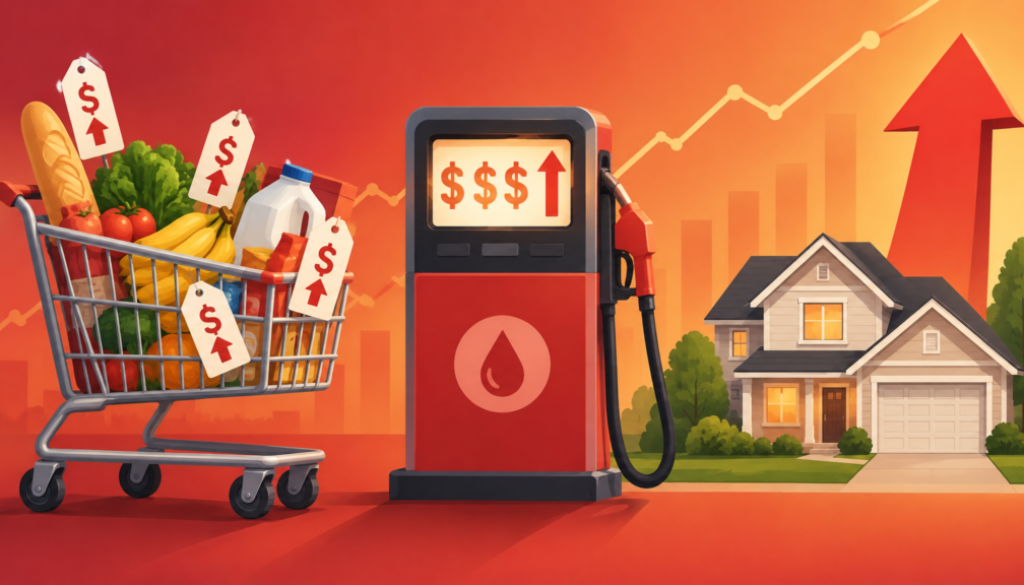
Inflation in October 2026: Is Your Paycheck Finally Catching Up — or Falling Further Behind?
Inflation in October 2026: Is Your Paycheck Finally Catching Up — or Falling Further Behind?
If it feels like your money doesn’t stretch as far as it used to, you’re not imagining things. Inflation is back in the headlines — and this time, it’s being driven by a perfect storm of surging energy prices, stubborn shelter costs, and a Federal Reserve that just raised interest rates for the first time since 2023. At Your Career Place, we believe that understanding what’s happening with inflation isn’t just for economists — it’s essential knowledge for anyone trying to build financial security in today’s world.
So let’s break down what’s really going on with inflation right now, what it means for your wallet, and how two very different schools of thought are interpreting the data.
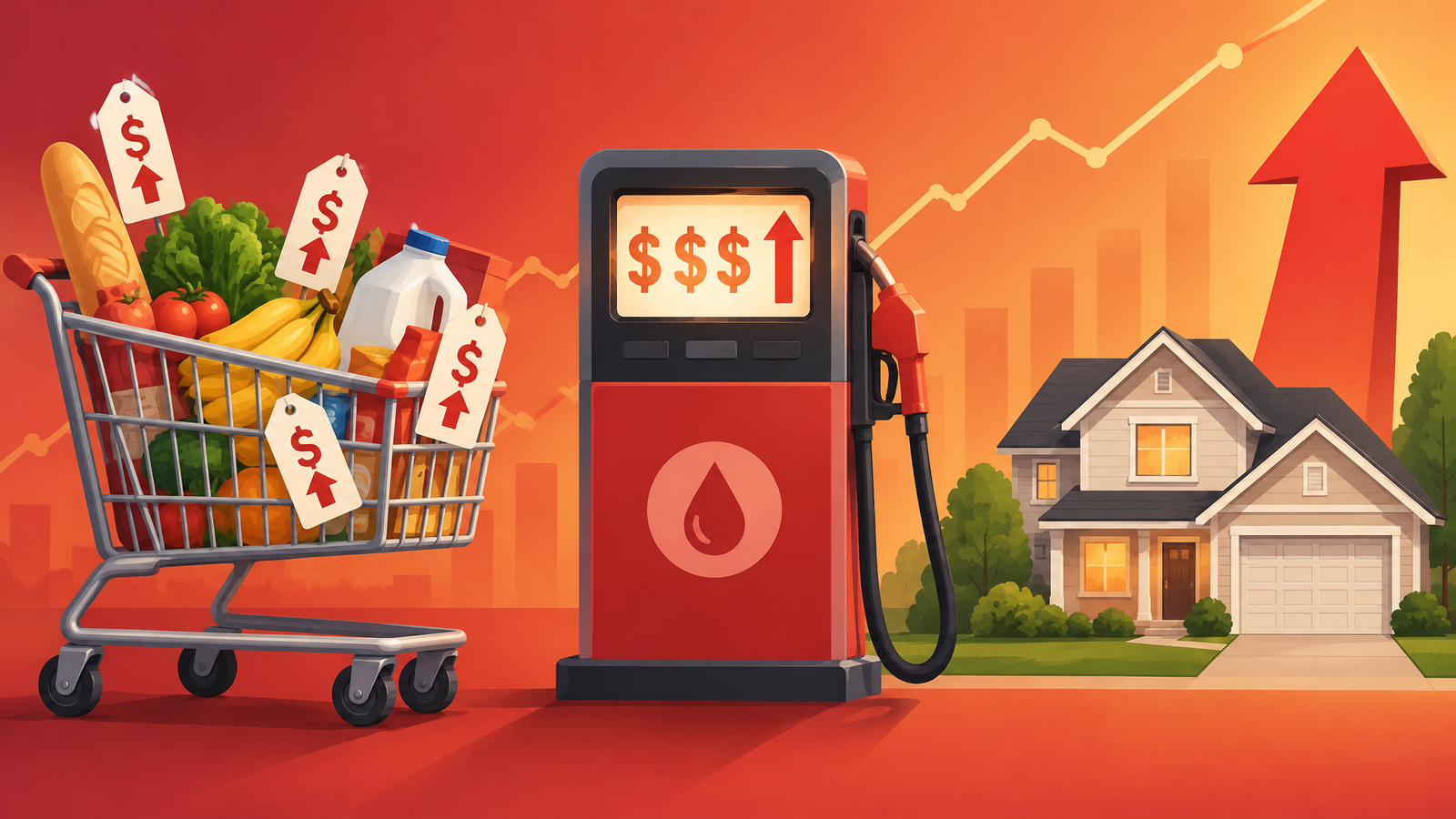
What the Numbers Are Actually Telling Us
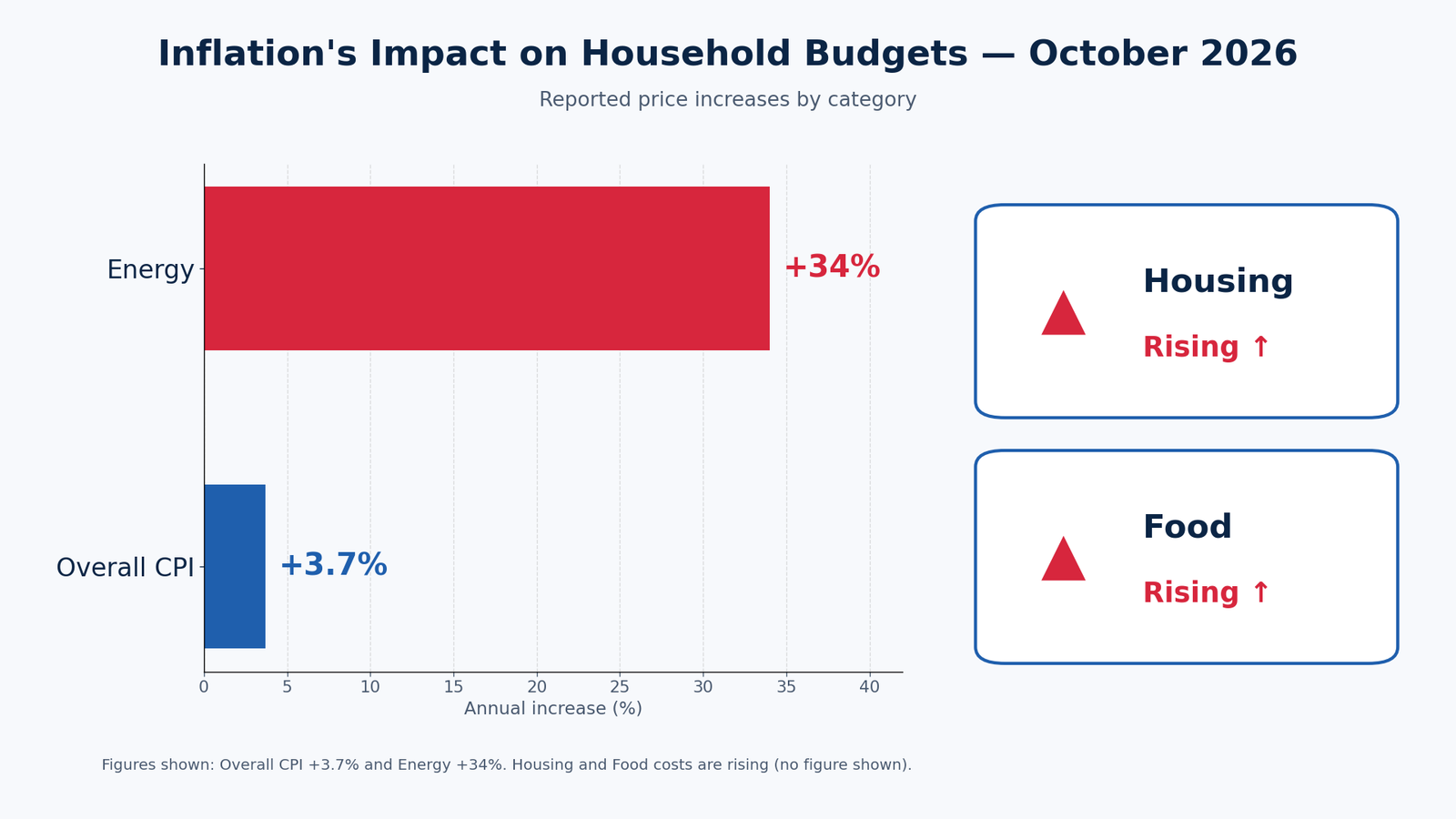
The Bureau of Labor Statistics reported that the Consumer Price Index (CPI) rose 3.7% year-over-year in September 2026 — up from 3.4% in both July and August. That’s a meaningful jump, and it’s being driven primarily by one culprit: energy.
Gasoline prices surged a jaw-dropping 9.1% in a single month in September, and over the past 12 months, gas prices are up a staggering 34.2%. Fuel oil prices have skyrocketed 74.2% year-over-year. If you’ve been wincing at the pump lately, the data confirms your pain is real.
Here’s a snapshot of where prices stand right now:
- Energy overall: Up 20.4% over the past 12 months
- Gasoline: Up 34.2% year-over-year
- Shelter (housing costs): Up 3.2% annually, with a 0.4% monthly increase in September
- Food overall: Up 2.5% annually (a slight slowdown from 2.7% in August)
- Fruits and vegetables: Up 3.7% over 12 months
- Core inflation (excluding food and energy): Up 2.6% annually
The Federal Reserve Bank of Cleveland’s nowcasting models estimate October 2026 inflation will come in around 3.77% year-over-year — suggesting the upward trend isn’t done yet. The next official CPI report drops November 10, 2026.
Meanwhile, real average hourly earnings — what your paycheck actually buys — fell 0.5% between August and September and are down 0.7% compared to a year ago. In plain English: wages are growing, but not fast enough to keep up with rising prices. A Pew Research Center survey from October 8, 2026 found that 73% of Americans are “very concerned” about food and consumer goods prices, and 66% are highly worried about housing costs.
The Federal Reserve’s Next Move
The Fed raised interest rates in September 2026 — its first hike since 2023 — and now has its federal funds target range sitting between 3.75% and 4.00%. Fed Chair Kevin Warsh has been notably tight-lipped about what comes next, saying the central bank is no longer in the business of telegraphing its moves. The next FOMC meeting is October 27–28, and markets are watching closely.
Warsh has pointed to a “massive investment surge” in artificial intelligence as a key driver of current economic activity — and a potential short-term inflationary force. With major corporations raising between $300 billion and $570 billion in debt in 2026 to fund AI infrastructure, the economic ripple effects are real and complex.
J.P. Morgan estimates core PCE inflation will reach approximately 3.4% by year-end 2026, while professional forecasters surveyed by the Philadelphia Fed project headline CPI to average 3.6% for the full year. The good news? Long-term inflation expectations remain anchored around 2.3% annually over the next decade.
The Boomer Perspective: “We’ve Seen This Before — And We Survived”
If you lived through the inflation of the late 1970s and early 1980s — when CPI hit double digits and mortgage rates climbed above 18% — today’s 3.7% might feel almost manageable by comparison. And that’s exactly how many financially experienced Americans are framing it.
The optimistic view goes something like this: inflation at 3.7% is uncomfortable, but it’s not catastrophic. The economy is still growing (GDP is projected at 2.1%–2.4% for 2026), unemployment remains stable at around 4.2%–4.3%, and the Federal Reserve is actively working to bring prices back under control. History shows that central banks, when committed, can tame inflation — it just takes time and patience.
From a personal finance standpoint, the Boomer perspective highlights several silver linings:
- Fixed-rate mortgage holders are actually winning. If you locked in a low rate years ago, inflation is quietly eroding the real value of your debt. Your monthly payment stays the same while the dollar’s purchasing power declines — that’s a hidden benefit for long-term homeowners.
- Savings rates are finally decent again. With the Fed holding rates at 3.75%–4.00%, high-yield savings accounts and money market funds are offering returns that at least partially offset inflation. That’s a far cry from the near-zero rates of 2020–2021.
- TIPS and I-bonds offer real protection. Treasury Inflation-Protected Securities adjust their principal based on CPI changes, giving investors a built-in hedge. For those who planned ahead, these instruments are doing exactly what they were designed to do.
- Stocks with pricing power are holding up. Companies that can pass rising costs on to consumers — think consumer staples, energy producers, and certain tech firms — have maintained strong margins. A diversified equity portfolio has historically outpaced inflation over long periods.
- Retirement contribution limits are inflation-adjusted. The IRS adjusts 401(k) and IRA contribution limits annually for inflation, meaning you can legally shelter more money from taxes each year. That’s a quiet but meaningful benefit of living in an inflationary environment.
The bottom line from the optimistic camp: stay the course, diversify, and don’t panic. Inflation is a known variable, and smart financial planning accounts for it. At Your Career Place, we’ve seen countless professionals weather inflationary periods by sticking to fundamentals — budgeting, investing consistently, and avoiding emotional financial decisions.
The Doomer Perspective: “This Time Feels Different — And That’s Scary”
Not everyone is feeling sanguine about the current inflation picture. A growing chorus of economists, financial planners, and everyday Americans are sounding the alarm — and their concerns deserve serious attention.
The pessimistic view centers on a troubling reality: even when inflation slows, prices don’t go back down. The cumulative price increases since 2020 have permanently reset the cost of living at a higher level. Groceries that cost $200 in 2020 might cost $260 or more today. That gap doesn’t close just because the inflation rate ticks down.
Here’s what’s keeping the Doomers up at night:
- Real wages are going backward. With real average hourly earnings down 0.7% year-over-year, workers are effectively taking a pay cut in purchasing power terms. For lower- and middle-income households, this isn’t an abstract statistic — it’s felt at the grocery store, the gas station, and the landlord’s office.
- Energy prices are a wildcard. The 34.2% annual surge in gasoline prices is largely tied to geopolitical instability in the Middle East and the closure of the Strait of Hormuz. These are factors the Fed cannot control with interest rate hikes. If energy prices stay elevated — or spike further — inflation could remain stubbornly high regardless of monetary policy.
- Housing affordability is in crisis. Shelter costs are up 3.2% annually and show no signs of rapid reversal. With mortgage rates elevated due to Fed policy, would-be buyers are locked out of the market, and renters face ongoing pressure. The dream of homeownership is moving further out of reach for many working Americans.
- The AI investment boom could backfire. Fed Chair Warsh himself acknowledged that the massive AI infrastructure buildout could be “bumpy” and inflationary in the short term. If the productivity gains from AI take years to materialize while the capital expenditures drive up costs now, we could be in for a prolonged period of elevated prices.
- Retirement plans may need a rethink. The traditional “4% rule” for retirement withdrawals was designed for a lower-inflation environment. With inflation running at 3.7% and healthcare costs rising even faster, some financial planners are recommending a more conservative 3.5% withdrawal rate — which means you need a significantly larger nest egg to retire comfortably.
- Variable-rate debt is a ticking clock. Credit card balances, adjustable-rate mortgages, and other variable-rate obligations are becoming more expensive as rates rise. For households carrying significant debt, the combination of higher prices and higher interest payments is a genuine financial squeeze.
The Doomer camp’s message is blunt: don’t assume this resolves itself quickly. Professional forecasters expect inflation to remain above the Fed’s 2% target through at least the end of 2026, and the geopolitical factors driving energy prices aren’t going away overnight. Complacency is the enemy of financial resilience.
What You Can Actually Do About It
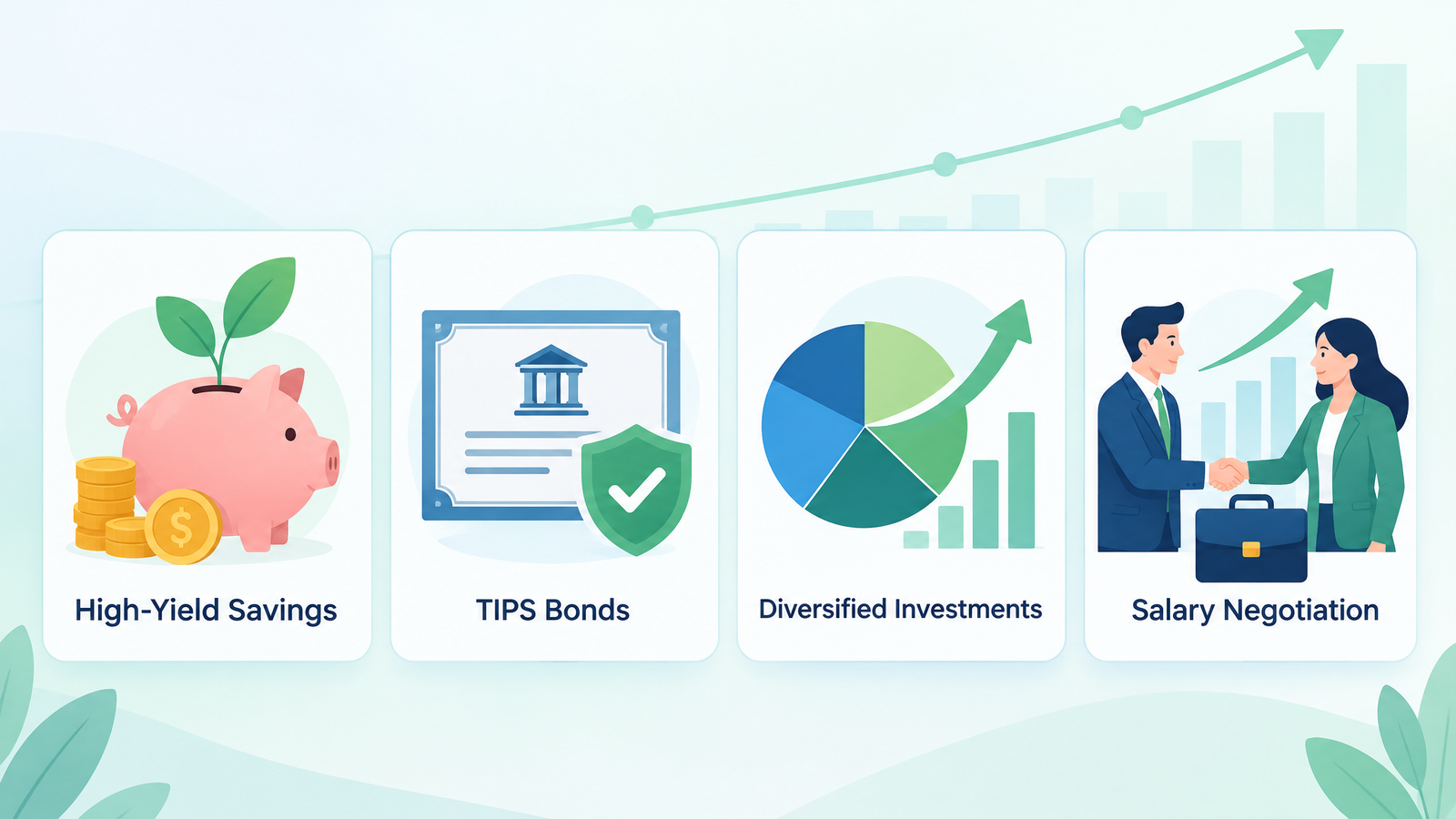
Whether you lean Boomer or Doomer on the inflation outlook, the practical steps for protecting your finances are largely the same. Here’s what Your Career Place recommends for navigating this inflationary environment:
- Audit your variable-rate debt immediately. Credit cards and adjustable-rate loans are your biggest vulnerability right now. Prioritize paying these down or refinancing to fixed rates before the next potential Fed hike.
- Move idle cash to high-yield accounts. With rates at 3.75%–4.00%, there’s no excuse for leaving money in a 0.01% savings account. High-yield savings accounts, money market funds, and short-term Treasuries can help your cash keep pace with inflation.
- Maximize inflation-adjusted retirement contributions. Take full advantage of the IRS’s inflation-adjusted contribution limits for 401(k)s and IRAs. Every dollar you shelter from taxes today is a dollar working harder for your future.
- Review your investment allocation for inflation resilience. Consider whether your portfolio includes assets that historically perform well during inflationary periods — TIPS, commodities, real estate investment trusts (REITs), and stocks with strong pricing power.
- Negotiate your salary — now. With real wages declining, a cost-of-living raise isn’t a luxury; it’s a necessity. Document your value and make the case for compensation that keeps pace with inflation. Your Career Place has resources to help you navigate this conversation.
- Revisit your retirement withdrawal strategy. If you’re near or in retirement, talk to a financial advisor about whether your withdrawal rate accounts for today’s inflation reality. A small adjustment now can make a big difference over a 20–30 year retirement.
- Don’t panic-sell investments. Inflation is uncomfortable, but it’s a known variable. Selling equities in a panic locks in losses and removes you from the market’s long-term growth potential. Stay diversified and stay the course.
Key Takeaways
- U.S. inflation accelerated to 3.7% year-over-year in September 2026, driven primarily by a 34.2% annual surge in gasoline prices and a 20.4% rise in overall energy costs.
- Core inflation (excluding food and energy) stands at 2.6% annually — still above the Fed’s 2% target but more moderate than headline figures.
- Real wages are declining: average hourly earnings fell 0.7% year-over-year in real terms, meaning most workers are losing purchasing power.
- The Federal Reserve raised rates in September 2026 (first hike since 2023) and may act again at its October 27–28 meeting.
- 73% of Americans are “very concerned” about food and consumer goods prices, per a recent Pew Research survey.
- Practical steps — paying down variable-rate debt, maximizing high-yield savings, diversifying investments, and negotiating your salary — can meaningfully protect your financial position.
Inflation is one of those forces that affects every single aspect of your financial life — from what you pay at the grocery store to how much you need saved for retirement. The key is to stay informed, stay proactive, and make decisions based on data rather than fear. Your Career Place is here to help you do exactly that — because your financial future is too important to leave to chance.
Disclaimer: This article is for informational and educational purposes only and does not constitute financial, investment, or tax advice. The data and projections cited reflect information available as of October 2026. Individual financial situations vary — please consult a qualified financial advisor before making any investment or financial planning decisions.