Inflation in 2026: Is Your Money Keeping Up — or Falling Behind?
Inflation in 2026: Is Your Money Keeping Up — or Falling Behind?
If it feels like your paycheck doesn’t stretch as far as it used to, you’re not imagining things. Inflation has been a persistent financial reality for American households since 2021, and while the worst of the pandemic-era price spikes are behind us, the battle is far from over. As of July 2026, the Consumer Price Index (CPI) sits at 3.4% year-over-year — still well above the Federal Reserve’s 2% target — and everyday costs from groceries to rent continue to chip away at household budgets.
At Your Career Place, we believe that understanding inflation isn’t just for economists and Wall Street analysts. It’s essential knowledge for anyone trying to build wealth, plan for retirement, or simply make ends meet. Whether you’re a seasoned saver or just starting to get serious about your finances, what you do — or don’t do — in an inflationary environment can make a massive difference in your long-term financial health.
So let’s break it all down: what’s happening with inflation right now, what it means for your wallet, and how two very different schools of thought are interpreting the data.
What’s Actually Happening With Inflation Right Now?
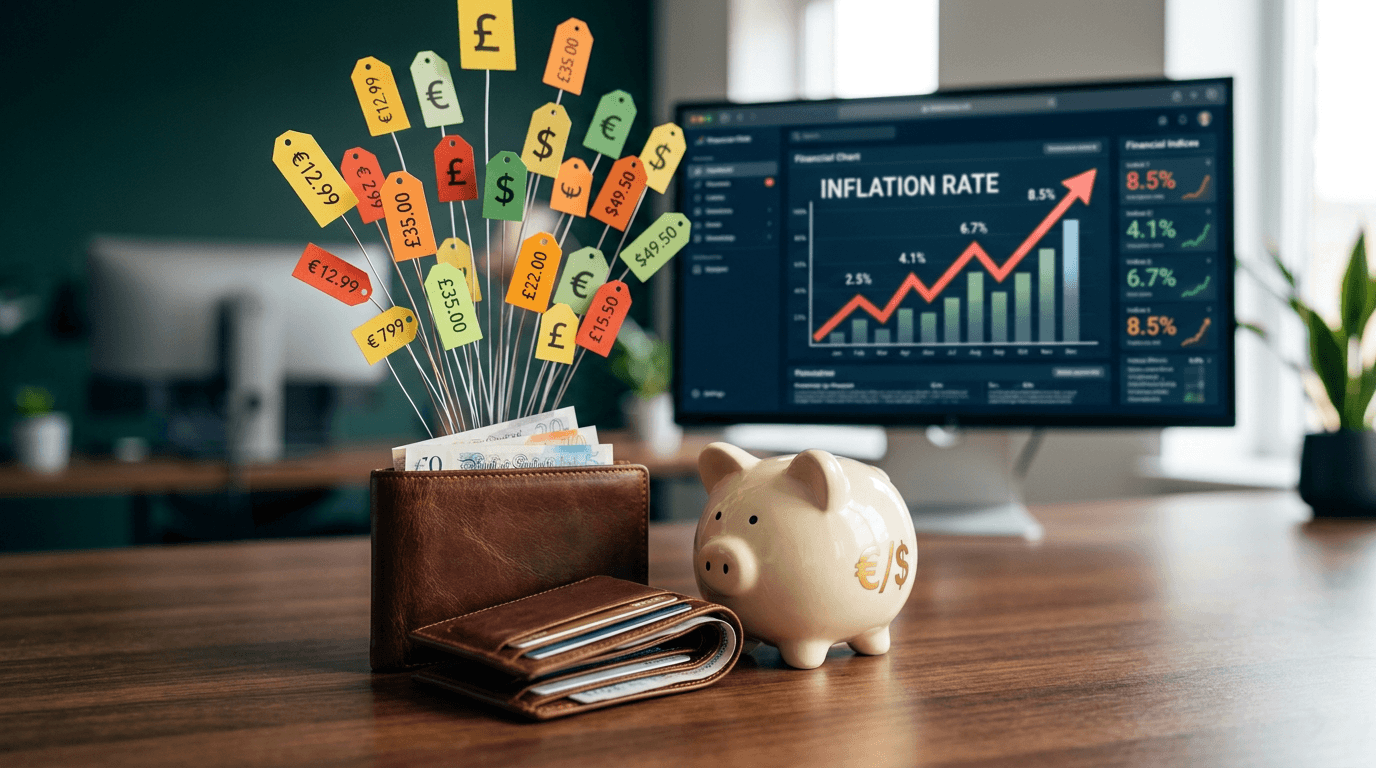
The latest official data from the Bureau of Labor Statistics tells an interesting story. In July 2026, the CPI rose just 0.1% month-over-month — a modest uptick after June’s surprising 0.4% decline, which was largely driven by a 5.7% drop in energy prices. On an annual basis, inflation came in at 3.4%, a slight improvement from June’s 3.5%.
Here’s how the major categories broke down in July:
- Food overall: +0.1% monthly; +3.0% over the past year
- Food at home (groceries): -0.1% monthly; +2.7% annually
- Food away from home (restaurants): +0.3% monthly; +3.4% annually
- Shelter (housing costs): +0.1% monthly; +3.2% annually
- Core CPI (excluding food and energy): +0.2% monthly; +2.5% annually
Meanwhile, the Federal Reserve Bank of Cleveland’s real-time “nowcast” model projects that September 2026 inflation will come in around 3.30% year-over-year — suggesting the trend is slowly moving in the right direction, but progress remains frustratingly slow.
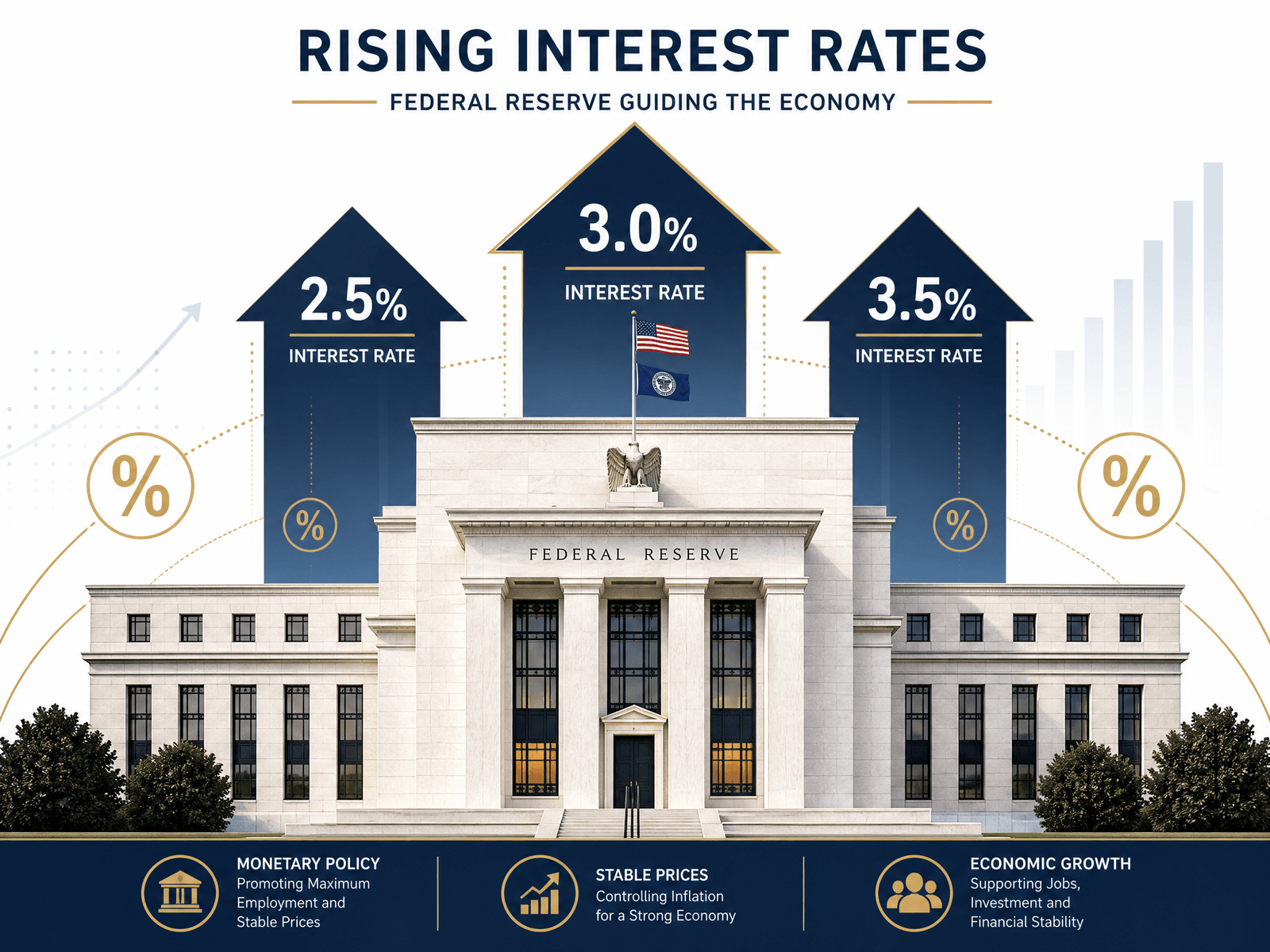
On the monetary policy front, the Federal Reserve — now under new Chair Kevin Warsh — has held the federal funds rate steady at 3.50%–3.75% through July 2026. However, three FOMC members dissented at the July meeting, pushing for a 0.25% rate hike. Markets are now pricing in the possibility of one to two rate increases before year-end, a dramatic shift from earlier expectations of rate cuts.
The Boomer Perspective: “Stay the Course — We’ve Seen This Before”
For those who lived through the double-digit inflation of the late 1970s and early 1980s, today’s 3.4% rate might actually feel like a relief. The Boomer perspective on inflation in 2026 is grounded in historical context and long-term optimism — and there’s real data to back it up.
Inflation Is Moderating — Slowly But Surely
The trend line is moving in the right direction. From a peak of over 9% in mid-2022, inflation has gradually declined to the low-to-mid 3% range. Yes, it’s above the Fed’s 2% target, but the trajectory is downward. Boomers who’ve watched markets cycle through recessions, oil shocks, and financial crises know that patience is often the most powerful financial tool.
Fixed-Rate Debt Is Your Friend
Here’s a counterintuitive truth that experienced investors understand well: inflation actually benefits people with fixed-rate debt. If you locked in a 30-year mortgage at 3% or 4% a few years ago, you’re repaying that loan with dollars that are worth less than when you borrowed them. The real cost of your debt is shrinking every year. This is one of the most underappreciated advantages of homeownership in an inflationary environment.
Equities Remain the Long-Term Inflation Hedge
Historically, the stock market has been one of the most reliable hedges against inflation over long time horizons. Companies with strong pricing power can pass rising costs on to consumers, protecting their profit margins. For investors with a 10-, 20-, or 30-year horizon, staying invested in a diversified equity portfolio remains the conventional wisdom — and the data supports it.
Smart Savers Are Earning Real Returns
With the Fed holding rates at 3.50%–3.75%, high-yield savings accounts and money market funds are offering returns that, for the first time in years, are actually keeping pace with or slightly exceeding inflation. Treasury Inflation-Protected Securities (TIPS) and Series I Savings Bonds also provide built-in inflation adjustments. The Boomer playbook says: use these tools, stay diversified, and don’t panic.
At Your Career Place, we often hear from readers who’ve weathered multiple economic cycles and come out ahead by sticking to fundamentals. The message from the optimist camp is clear: inflation is a challenge, not a catastrophe — and the right financial habits can help you navigate it successfully.
The Doomer Perspective: “The Damage Is Already Done — And It’s Getting Worse”
Not everyone is feeling reassured by the gradual moderation in headline inflation numbers. For many Americans — particularly younger workers, renters, and those without significant assets — the Doomer perspective resonates deeply. And the concerns are legitimate.
Cumulative Price Increases Are Crushing Budgets
Here’s the thing about inflation: even when the rate slows down, prices don’t go back to where they were. The cumulative price increases since 2020 have been staggering. Groceries, rent, insurance, and healthcare have all risen dramatically — and wages, while up in nominal terms, haven’t kept pace for many workers. The “real” purchasing power of the average American paycheck has been eroded significantly.
Shelter Costs Remain Stubbornly High
Housing is the single largest expense for most households, and the shelter index is still running at 3.2% annually. For renters, this means another year of rent increases that outpace wage growth. For would-be homebuyers, the combination of elevated home prices and mortgage rates that remain well above pre-pandemic levels has made homeownership feel out of reach for millions of Americans.
The Fed May Not Be Done Hiking
The possibility of additional rate hikes is a genuine concern. The Core PCE Price Index — the Fed’s preferred inflation measure — rose from 3.0% in December 2025 to 3.4% by May 2026. With three FOMC members already pushing for hikes and markets pricing in further increases, borrowers with variable-rate debt (credit cards, HELOCs, adjustable-rate mortgages) could face even higher interest costs. The average credit card interest rate is already at historically elevated levels.
Retirement Planning Is Getting Harder
The classic “4% rule” for retirement withdrawals — long considered a safe guideline — may need to be revised downward to 3.5% or even lower in a sustained inflationary environment. Healthcare costs, which consistently outpace general CPI, are a particular concern for retirees. A nest egg that looked sufficient five years ago may now be falling short of what’s needed to maintain a comfortable lifestyle.
Your Personal Inflation Rate May Be Higher Than the Headline
The CPI is an average — and averages can be misleading. If you spend a large portion of your income on housing, healthcare, or childcare, your personal inflation rate is almost certainly higher than 3.4%. Financial planners increasingly recommend that individuals calculate their own “personal inflation rate” based on their actual spending patterns, rather than relying solely on the headline CPI number.
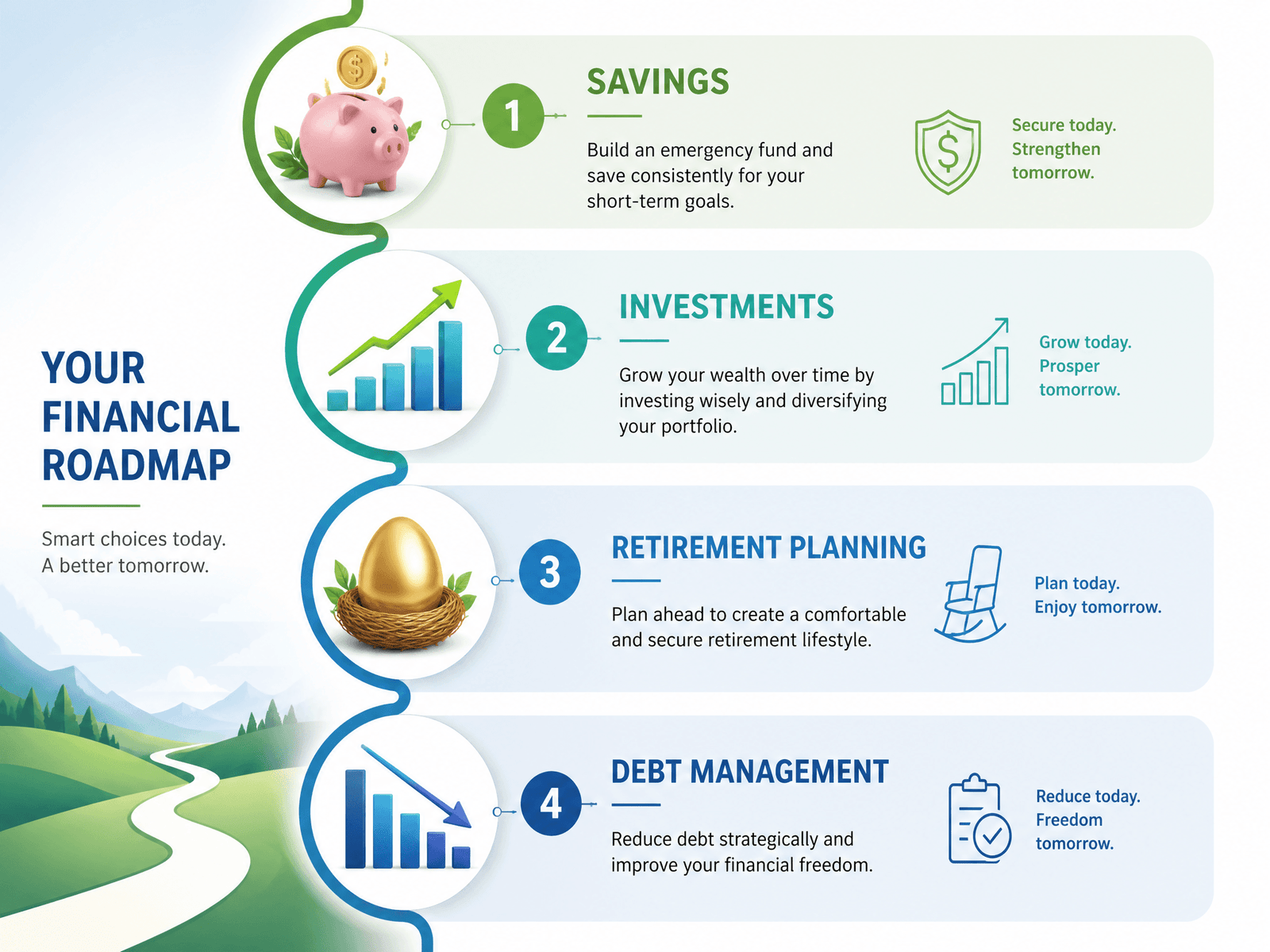
Key Takeaways: What You Can Do Right Now
Whether you lean Boomer or Doomer on the inflation outlook, the practical steps for protecting your finances are largely the same. Here’s what Your Career Place recommends based on the current environment:
- Calculate your personal inflation rate. Don’t just look at the headline CPI. Track your actual spending on housing, food, healthcare, and transportation to understand how inflation is really affecting your household.
- Move idle cash to high-yield accounts. With the Fed holding rates elevated, high-yield savings accounts, money market funds, TIPS, and Series I Bonds are offering returns that can help offset inflation’s erosion of your purchasing power.
- Maximize tax-advantaged retirement contributions. Contribute the maximum to your 401(k) or IRA. Consider Roth conversions to pay taxes now in today’s dollars before potential future inflation pushes you into higher brackets.
- Tackle variable-rate debt aggressively. Credit card balances and HELOCs are particularly dangerous in a high-rate environment. Prioritize paying these down before focusing on fixed-rate debt.
- Review your retirement withdrawal strategy. If you’re near or in retirement, consider whether the 4% rule still makes sense for your situation. A financial advisor can help you model different inflation scenarios.
- Stay invested in equities for the long term. Despite short-term volatility, a diversified stock portfolio remains one of the best long-term hedges against inflation. Don’t let fear drive you to cash at the wrong moment.
- Budget specifically for healthcare. Healthcare inflation consistently outpaces general CPI. If you’re planning for retirement, make sure your projections account for rising medical costs — and consider an HSA if you’re eligible.
- Stress-test your financial plan. Work with a financial planner to model your situation under multiple inflation scenarios — not just the base case. Knowing your plan can withstand a range of outcomes provides real peace of mind.
The Bottom Line
Inflation at 3.4% isn’t the crisis it was at 9%, but it’s not a solved problem either. The Federal Reserve is walking a tightrope between fighting inflation and avoiding a recession, and the outcome remains genuinely uncertain. What is certain is that doing nothing — leaving cash in low-yield accounts, ignoring variable-rate debt, or failing to adjust your retirement projections — is the most expensive choice you can make.
The good news? You don’t have to navigate this alone. At Your Career Place, we’re committed to breaking down complex financial topics into actionable insights that real people can use. Whether you’re just starting your financial journey or fine-tuning a plan you’ve been building for decades, understanding inflation is one of the most important steps you can take toward lasting financial security.
Stay informed, stay proactive, and remember: the best time to inflation-proof your finances is always right now.
Disclaimer: The information provided in this article is for educational and informational purposes only and does not constitute financial, investment, or tax advice. Always consult with a qualified financial professional before making decisions about your personal finances. Past performance of any investment is not indicative of future results.