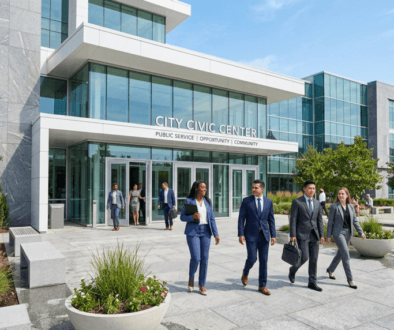
Diversity and Inclusion in the Workplace: Navigating the New Landscape in 2026
Diversity and Inclusion in the Workplace: Navigating the New Landscape in 2026
The conversation around diversity and inclusion (D&I) in the workplace has never been more complex — or more important. In 2026, organizations across the country are grappling with a rapidly shifting landscape: new federal regulations, evolving workforce expectations, and a growing body of evidence that inclusive workplaces simply perform better. Here at Your Career Place, we believe that understanding this landscape is essential for every professional — whether you’re a job seeker evaluating potential employers, a manager trying to build a stronger team, or a leader shaping company culture.
So what does diversity and inclusion actually look like in today’s workplace? And what does it mean for your career? Let’s dig in.

What’s Happening Right Now: The Latest in Workplace D&I
The D&I landscape in 2026 is being shaped by a powerful mix of legal, cultural, and technological forces. Here’s a snapshot of the most significant developments:
Federal Regulatory Shifts
Executive Order 14173, signed in January 2025, set off a chain reaction across corporate America by restricting certain DEI practices within the federal government and challenging private-sector initiatives that could conflict with merit-based hiring standards. More recently, Executive Order 14398 (effective March 2026) extended these restrictions to federal contractors, mandating the removal of race- or gender-based preferential treatment in training and leadership development programs. As a result, major corporations including Amazon, Google, and Goldman Sachs have restructured or scaled back their formal DEI programs to reduce legal exposure.
The Rise of “Quiet Commitment”
Rather than abandoning inclusion goals entirely, many organizations are shifting to what experts are calling “quiet commitment” — embedding fairness and equity into the operational fabric of the company rather than making bold public declarations. This means structured hiring rubrics, pay equity audits, blind resume screening, and accountability metrics tied to executive compensation. The DEI label may be fading from corporate communications (one study found a 98% decline in the use of the term “DEI” in Fortune 500 communications), but the underlying work continues — just under different branding.
AI and Algorithmic Accountability
Artificial intelligence is now deeply embedded in hiring and talent management, and that’s creating both opportunities and risks for D&I. Approximately 60% of organizations now use AI tools to monitor diversity metrics and identify disparities. But regulations like NYC Local Law 144, Colorado’s SB 24-205, and the EU AI Act are requiring companies to conduct independent bias audits of their AI hiring tools. The stakes are high: legal precedents like Mobley v. Workday have extended liability to AI vendors, making due diligence on these platforms a business necessity.
Pay Transparency Goes Mainstream
Pay transparency has evolved from a progressive best practice to a legal requirement in many jurisdictions. Multiple U.S. states now mandate salary range disclosures in job postings, and the EU’s Pay Transparency Directive is pushing similar requirements across the Atlantic. This is forcing companies to conduct rigorous pay equity audits — and in many cases, to correct longstanding imbalances before they become public knowledge.
Generational Pressure
With Millennials projected to make up 75% of the global workforce by 2026, and Gen Z — the most racially diverse generation in history — entering the workforce in force, companies face mounting pressure to walk the talk on inclusion. These generations have low tolerance for performative gestures and high expectations for transparency, authenticity, and measurable progress.

The Boomer Perspective: Inclusion Is Good Business — Always Has Been
For professionals who’ve been in the workforce for decades, the current moment might feel like a lot of noise around something that was always common sense: treat people fairly, hire the best person for the job, and create an environment where everyone can contribute. From this vantage point, the current regulatory and cultural turbulence is less alarming than it might seem.
The business case for diversity has been proven time and again. Companies in the top quartile for gender diversity are 25% more likely to achieve above-average profitability. Diverse teams are 70% more likely to capture new markets. These aren’t ideological claims — they’re data points from decades of research. The fundamentals haven’t changed: when you bring together people with different backgrounds, experiences, and perspectives, you get better problem-solving, more creative solutions, and stronger business outcomes.
The shift away from the “DEI” label doesn’t necessarily mean a retreat from inclusion — it may simply mean a return to basics. Skills-based hiring, structured interviews, mentorship programs, and pay equity audits are all practices that have been championed by thoughtful HR professionals for years. If the current moment strips away the performative elements and refocuses attention on these proven practices, that could actually be a positive development.
For experienced professionals, this is also a moment of opportunity. Your ability to build bridges across differences, mentor younger colleagues, and model inclusive leadership is more valuable than ever. Organizations that are quietly embedding inclusion into their operations need leaders who understand both the business case and the human dimension of this work. That’s a skill set that comes with experience.
At Your Career Place, we’ve always believed that the most successful careers are built on genuine relationships and authentic contributions — and that’s exactly what inclusive workplaces make possible. The tools and terminology may change, but the underlying principle remains: when people feel valued and respected, they do their best work.

The Doomer Perspective: Are We Moving Backward?
Not everyone sees the current moment as a natural evolution. For many professionals — particularly those from underrepresented groups — the rollback of formal DEI programs feels like a significant step backward, and the concerns are legitimate.
The data on workplace inequality hasn’t disappeared just because the programs designed to address it have been scaled back. Pay gaps persist. Promotion rates for women and people of color continue to lag behind their white male counterparts. Representation in senior leadership remains stubbornly unequal. When the structures designed to address these disparities are dismantled — even in the name of “merit” — the underlying inequities don’t go away. They just become harder to see and harder to address.
There’s also a real risk that “quiet commitment” becomes a cover for inaction. When companies stop publicly reporting on diversity metrics, stop setting representation goals, and stop holding leaders accountable for inclusion outcomes, it becomes very easy for the status quo to reassert itself. Research consistently shows that without intentional intervention, hiring and promotion decisions tend to favor candidates who look like the people already in power. “Meritocracy” without structural safeguards often reproduces existing inequalities.
The legal environment is also creating a chilling effect that goes beyond what the law actually requires. Many companies are pulling back from inclusion initiatives that are entirely legal and beneficial out of fear of litigation or regulatory scrutiny. This overcorrection could leave organizations less equipped to attract and retain diverse talent — a significant competitive disadvantage in a tight labor market.
For job seekers from underrepresented groups, the current moment requires extra vigilance. The absence of a formal DEI program doesn’t necessarily mean a company is unwelcoming — but it does mean you’ll need to do more due diligence. Ask specific questions about mentorship opportunities, promotion rates, and how the company measures and tracks inclusion. Look for evidence of genuine commitment, not just polished language.
Here at Your Career Place, we want to be honest: the path forward on workplace inclusion is genuinely uncertain, and the concerns of those who feel the ground shifting beneath them are valid. Progress is rarely linear, and this moment calls for both vigilance and resilience.

Key Takeaways for Your Career
Whether you’re optimistic or concerned about the current direction of workplace D&I, there are practical steps you can take to navigate this landscape effectively:
- Do your homework on potential employers. Look beyond the marketing language. Ask about specific programs, metrics, and outcomes. Companies that are genuinely committed to inclusion will be able to give you concrete answers.
- Understand your rights. Regardless of how companies label their programs, anti-discrimination laws remain in effect. Know what protections apply to you and how to access them if needed.
- Build your own inclusive leadership skills. The ability to work effectively across differences, facilitate difficult conversations, and create psychological safety for your team is a career asset that will only grow in value.
- Leverage pay transparency laws. If you’re in a state with salary disclosure requirements, use that information. Research pay ranges before negotiations and don’t be afraid to ask for what you’re worth.
- Seek out mentorship and sponsorship. Formal programs may be changing, but the value of having advocates in your corner hasn’t. Be intentional about building relationships with people who can open doors and speak up for you.
- Stay informed. The regulatory and cultural landscape around D&I is evolving rapidly. Following developments in this space will help you make better decisions about where to work and how to advocate for yourself and your colleagues.
Conclusion: Your Career in a Changing Landscape
The workplace diversity and inclusion conversation in 2026 is messy, contested, and genuinely important. The formal structures are shifting, the language is changing, and the path forward is uncertain. But the underlying reality — that diverse, inclusive workplaces produce better outcomes for everyone — hasn’t changed.
At Your Career Place, we’re committed to helping you navigate this landscape with clear eyes and practical tools. Whether you’re evaluating a job offer, building a team, or trying to advance your own career, understanding the D&I landscape is part of being a savvy, informed professional in 2026.
The most resilient careers are built on authentic relationships, genuine contributions, and the ability to work effectively with people who are different from you. Those skills will serve you well no matter how the regulatory environment evolves. Keep building them — and keep showing up as your full, authentic self.
Want more career insights like this? Explore more articles and resources at Your Career Place — your partner in building a career that works for you.