
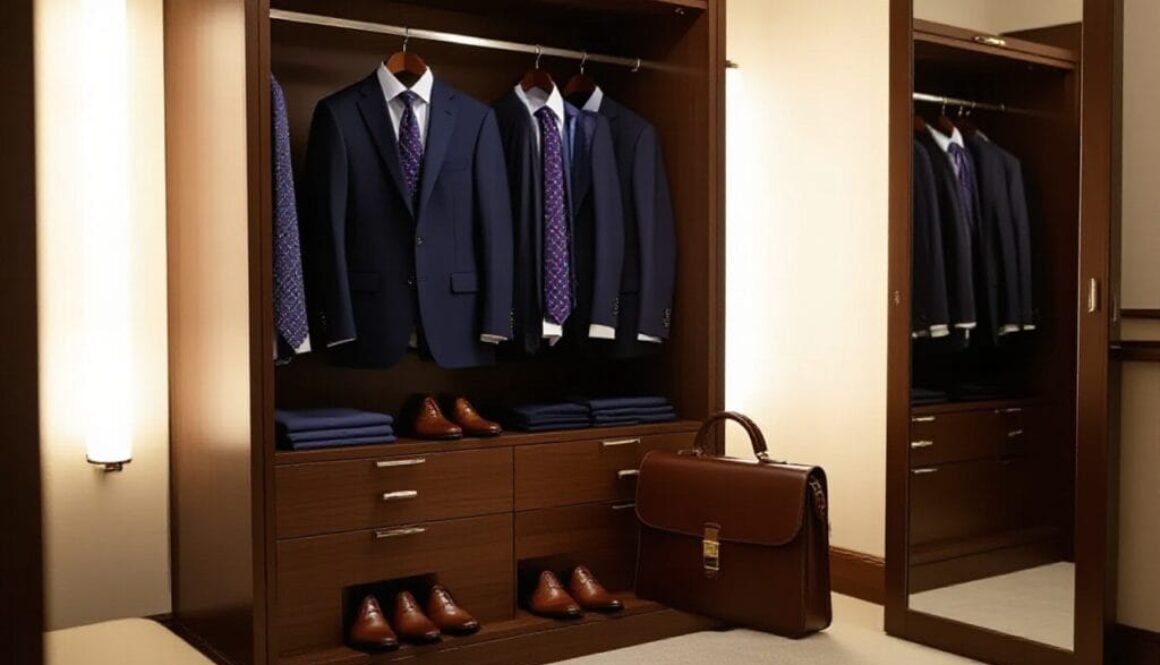
Why the best leaders treat their wardrobe like a strategic tool
There’s that moment before a meeting when you grab whatever’s handy and then wonder why people misread you. At Your Career Place we say your clothing is a signal, not fluff… it shapes first impressions, sets the tone, and even calms your nervous system. Want to lead with clarity? You can use your wardrobe like a tool, intentionally. And yes, we at Your Career Place will help you make choices that match who you are and where you’re headed.
Key Takeaways:
- We at Your Career Place treat your wardrobe like a strategy – it’s the first thing people read about you. What you wear sends signals about authority, intent, and belonging before you even open your mouth.
- Clothes are a nervous-system tool: align your external look with who you’re becoming to cut down internal friction and show up more naturally. Small changes can shift how you feel and perform.
- Want quick wins? Pick signature pieces, stay consistent by context, and use deliberate outfits for high-stakes moments – Your Career Place helps leaders turn those choices into daily habits that build trust fast.
Why Leaders Should Sweat the Small Stuff in Style
First Impressions Really Matter
Like a handshake, your outfit greets people before you say a word. In about 7 seconds observers form an impression and visual cues often anchor judgments about competence and trust, so your clothing is literally doing the first bit of leadership work for you. At Your Career Place we coach leaders to use those seconds strategically – simple choices reduce misreading and save mental energy for the conversation that follows.
Dressing for the Job You Want
Unlike waiting for permission, dressing the part signals readiness and invites new responsibilities; Miranda Priestly’s cerulean example shows how a single cue reframes authority. When you pick looks that match the role you’re aiming for people update expectations fast. At Your Career Place we often have clients build three signature outfits for boardroom, team, and public-facing moments so perception isn’t left to chance.
Like a job interview in miniature, every meeting calls for an outfit strategy – so start small: audit your next 30 days of meetings, map three recurring scenarios, then assign one anchor look to each. Choose a power piece (tailored blazer or bold color), an approachable combo (soft fabrics, open collar), and a baseline that keeps your nervous system regulated. Try this for 60 days and track feedback and energy; you’ll find clearer signaling and less wardrobe anxiety without a full closet overhaul.
My Take on Dressing for Success
Remember Miranda Priestly’s cerulean monologue? That scene proves you can’t opt out of the visual grammar leaders live by. People form judgments in seconds, and those micro-messages shape access, authority, and negotiations. At Your Career Place we urge you to treat your closet like a toolkit – reduce friction, amplify intent, and make strategic choices that free your bandwidth for leadership. Read more: Why the best leaders treat their wardrobe like a strategic tool
The Power of Confidence-Boosting Outfits
I once worked with a VP who swapped stretched tees for fitted blazers and within a month closed three pitches he’d been losing – not magic, just alignment. When you wear pieces that reflect your role, your posture shifts, your voice steadies, and you take smarter risks. Pick 3-5 high-confidence outfits for stakes moments, rotate them, and you’ll cut morning friction and show up more composed, consistently.
How Style Can Impact Team Dynamics
After a CEO adopted a consistent color palette and clearer visual cues, the team reported fewer status-check meetings and faster decision handoffs; signals matter. You set norms with your look – which increases psychological safety or, if misaligned, breeds confusion. Gallup data links engaged managers to about 21% better profitability, and part of that engagement comes from clear leadership signals, including appearance.
In practice you can test this: run a 30-day experiment where you standardize two leader looks – one for spotlight events, one for daily operations – then track meeting lengths, decision turnaround, and direct-report sentiment. Neuroscience shows first impressions form extremely fast – Willis and Todorov found trait judgments in as little as 100 milliseconds – so those tiny cues compound. At Your Career Place we coach leaders to use color, fit, and repeatable pieces to reduce role ambiguity, align expectations, and lower the nervous-system load on both you and your team. Try it and you’ll see small changes stack into measurable shifts in clarity and morale.
What’s the Deal with Dress Codes?
Studies show people form impressions in as little as 100 milliseconds. So dress codes aren’t just HR rules – they’re social shorthand that shapes what others assume about you, instantly. At Your Career Place we coach leaders to treat those rules like signals: follow the baseline, then intentionally layer cues that align with your role and goals.
Clothing is the first language you speak.
Balancing Professionalism and Personality
Enclothed cognition research (Adam & Galinsky) shows symbolic clothing can shift how you think and perform, so you actually change your own behavior by what you wear. Aim for a clean professional silhouette – a well-cut blazer or tailored shoe – and then sprinkle in personality with color, pattern or a signature accessory. You’ll project competence without disappearing, and Your Career Place often recommends a simple three-piece formula that feels authentic and readable.
Navigating Dress Expectations in Different Industries
Surveys show industry norms split: finance and law still default to suits, while many tech and creative shops go casual. That means you’ve got to read the room – client meetings and board presentations call for elevated polish, internal scrums might tolerate sneakers. So don’t assume your everyday equals leadership-ready; adapt to the audience and context instead.
Client-facing situations, for example, reward a slightly more formal baseline because people tend to equate neatness with credibility. A practical move: build a neutral core of 5-7 adaptable pieces you can remix – trousers, blazers, a dress, two shoes – then add one signature item that signals who you are. Your Career Place suggests testing this on low-stakes days first, note how people respond, and iterate until the external vibe matches the leader you want to be.
The Real Deal About Grooming and Accessories
With the recent return-to-office wave, grooming and accessories have swung back into focus – they’re not optional extras anymore. Studies show people form impressions in as little as 7 seconds, so what you wear and how you present yourself lands fast. At Your Career Place we’ve seen tiny cues flip a room’s read on you, from a polished shoe to a muted scent. Miranda Priestly had a point: this stuff signals power, whether you intend to or not.
Don’t Overlook the Details
You polish the pitch, don’t skip the polish on your shoes. Hair, nails, a wrinkle-free collar, the fit of your jacket and the state of your shoes are all signal work – they reduce cognitive friction for others and for you. Do a 60-second pre-meeting sweep: collar, cuffs, lint, shoes, watch alignment. Small fixes buy you instant credibility and less internal second-guessing when you walk into the room.
Choosing Accessories That Mean Business
Pick accessories with intent – limit yourself to 2 or 3 pieces that read as purposeful, not loud. A classic watch, a slim leather folio, or a subtle lapel pin can anchor your message; avoid oversized logos and flash that distract from what you’re saying. Jennifer Heinen calls clothing a semiotic system – accessories are your punctuation. Your Career Place recommends balancing scale to body and room: proportion matters as much as price.
Want specifics? For investor or board meetings choose matte metal or leather – they photograph better and feel more grounded. For client-facing days try a structured bag over a slouchy tote; it signals organization. In one Your Career Place coaching session swapping a bright logo belt for a tonal leather belt improved perceived competence across investors and partners. So ask yourself: does this piece amplify your message or just shout for attention?
Can You Really Affect Change with Your Image?
Like a book cover versus the story, your look sets expectations before you speak. Research shows impressions form in as little as 100 milliseconds, so you’re not waiting for influence-you’re creating it instantly. When you align attire with intent you reduce cognitive friction for others and for your own nervous system, which speeds trust and authority. At Your Career Place we see leaders shift stakeholder behavior simply by choosing coherent cues – a tailored blazer, consistent color palette, and grooming that match the role they want to inhabit.
The Psychology Behind Color and Clothing
Think of color like a megaphone or a whisper, and you get why it matters. Blue tends to signal trust and stability in multiple studies, red often reads as dominance or urgency, and black consistently cues authority and formality. Texture, pattern, and fit layer on top of color to change the message – a soft navy knit says different things than a navy suit. Use these levers intentionally; Your Career Place advises pairing one dominant cue with small supporting accents to avoid mixed signals.
How Attire Affects Your Leadership Presence
Like a well-lit stage versus a dim one, clothing frames how your message is heard. Tailoring and proportion increase perceived competence, while consistent grooming boosts credibility; both influence hiring, promotion, and everyday buy-in. You trigger less micro-surveillance from teams when your external signals match your role, which lowers stress and frees mental bandwidth for strategic thinking. So yes-you can change outcomes by adjusting wardrobe variables that shape immediate perception.
Like tuning an instrument, start small and purposeful. Pick an anchor piece – a navy blazer, clean leather shoes, a signature scarf – and repeat it across contexts so your brain and others’ brains map you to a role. Try one measurable test: swap one element for two weeks and note changes in questions you get, tone of emails, or meeting deference. At Your Career Place we coach leaders to run those tiny experiments so image becomes evidence-based, not guesswork.
Seriously, What’s Your Wardrobe Strategy?
You walk into a room and people form an impression in as little as 100 milliseconds – what do you want that to say? At Your Career Place we’ve seen leaders lose momentum by signaling yesterday’s role instead of the one they’re stepping into. That Miranda Priestly moment proves small cues carry power. Dive deeper with this piece Why the best leaders treat their wardrobe like a strategic tool.
Building a Closet with Intent
Start by auditing your 90-day wear log – note the ten pieces you reach for most. Build a 20-30 piece capsule focused on 70-80% of your calendar: one sharp blazer, two quality shirts, two neutral trousers, and reliable shoes. Your Career Place recommends trading loud logos for clean lines; fit and fabric beat labels. This reduces decision fatigue and helps you show up coherent, not overworked.
Tips for the Budget-Conscious Leader
You don’t need an expensive wardrobe to read like leadership. Prioritize fit – a $15-$30 tailoring job often transforms a $40 shirt into a $200 look. Hunt outlet sales, curated thrift shops, and mid-market brands for natural fibers. Pick two investment pieces a year – a jacket and shoes – then rotate basics around them, and you’ll get far more mileage for less.
- Tailor sleeves and hems – $15 to $30 often does the trick.
- Shop off-season for 30-60% discounts on blazers and coats.
- Knowing how to spot natural fibers and tight seams helps you avoid fast-fashion waste and saves money long-term.
You can stretch any budget by focusing on three moves: tailor for fit, maintain fabric with simple care, and trade trend-chasing for classics. Find one reliable local tailor – a quick $20 adjustment usually adds years of wearable life. Rotate seasonal swaps with colleagues or Your Career Place contacts to refresh your lineup without breaking the bank.
- Use a tailor for fit – sleeves, waist, hems.
- Buy classic colors that mix-and-match to multiply outfit options.
- Knowing local resale markets and swap networks can score you high-quality pieces for a fraction of retail.
To wrap up
Now the surprising truth is that your wardrobe is a leadership instrument, not just a closet full of clothes. At Your Career Place we see leaders change perception, soothe their nervous systems, and gain clarity simply by choosing intentionally. You send signals in milliseconds – are you shaping them or letting them shape you? Your Career Place urges you to treat dress as strategy – that small shift can tilt culture, confidence, and outcomes in ways you didn’t expect.
Thank you for visiting Your Career Place. Here are some similar articles.