

Competency-Based Interviews in 2026: The Structured System That Can Make or Break Your Job Search
Competency-Based Interviews in 2026: The Structured System That Can Make or Break Your Job Search
If you have applied to a job in the last twelve months and sat down for an interview, there is a very good chance you were scored against a rubric you never got to see. Welcome to 2026, where the unstructured “get-to-know-you” chat has been largely replaced by the competency-based interview, or CBI. It sounds clinical, but it is now the dominant hiring format for companies of every size. In this article from Your Career Place, we break down what competency-based interviews actually are, how they are reshaping the job market, and why you need to master them whether you love the idea or hate it.
What Is Actually Happening Right Now
Competency-based interviewing is not a brand-new concept, but in 2026 it has become the industry standard. The logic is simple: past behavior is the best predictor of future performance. Instead of asking vague questions like “Where do you see yourself in five years?” or “Tell me about yourself,” employers now use structured, pre-defined questions that map directly to the skills they need for the role.
Companies like SHL, the global assessment giant, have standardized frameworks that thousands of employers use to define and score competencies. Whether a company is looking for leadership, communication, problem-solving, adaptability, or commercial awareness, every candidate is asked the same questions and scored against the same rubric. It is designed to strip out the gut feelings and unconscious biases that have historically made hiring so unfairly inconsistent.
And the numbers show it is working. Structured interviews are now nearly twice as predictive of job success as old-school conversational interviews. Bias is reduced by over 50%. That is why roughly 70% of hiring teams now use standardized scoring rubrics, and about 73% of employers have embraced skills-based hiring in some form. The era of the hiring manager winging it is rapidly ending.
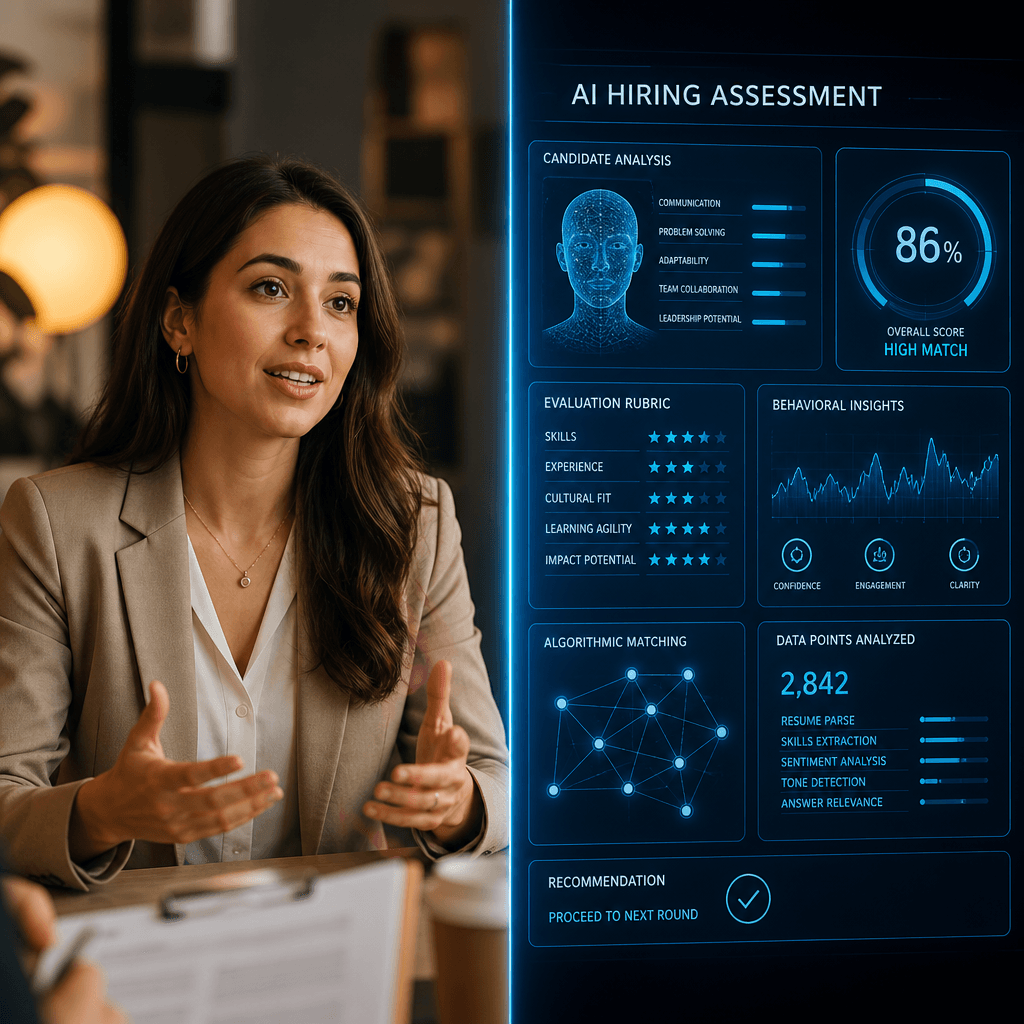
But there is a technology layer here that changes everything. In 2026, AI-assisted screening tools filter applicants before they ever reach a human. Interview intelligence platforms transcribe answers in real time and map them to competency rubrics. Some companies have even replaced take-home assignments with live problem-solving sessions to prevent AI-generated cheating. For candidates, the stakes are higher and the margin for error is smaller. Your Career Place sees this shift every day as job seekers come to us looking for a way to compete in a system that feels more like a standardized test than a conversation.
Recent News and Industry Moves
In the first half of 2026, several major developments have shaped how competency-based interviews are practiced. Fortune 500 companies and high-growth startups alike are compressing their hiring timelines to seven to ten business days for competitive roles, because top candidates are often off the market within two weeks. Pay transparency is now mandated in many jurisdictions, which means candidates are self-selecting earlier in the process, and interviewers are expected to justify their compensation decisions with clear data.
Reverse interviewing is also becoming a standard feature of the CBI process. Candidates are now expected to evaluate the company as rigorously as they are being evaluated. It is not enough to prove you are competent; you need to show you have commercial awareness by asking intelligent questions about the challenges the role will face in its first 90 days. The interview is no longer a one-way interrogation. It is a two-way assessment, and candidates who treat it that way are separating themselves from the pack.
Another major trend is the rise of AI coaching platforms that help candidates practice structured responses. These tools simulate real interviews, flag filler words, check pacing, and even detect whether your STAR stories sound too scripted or robotic. Employers, in turn, are becoming hypersensitive to AI-generated answers. If a response sounds like it was written by ChatGPT, interviewers will now probe deeper with follow-up questions to test authenticity. The result is a kind of arms race where candidates are using AI to practice, but must sound completely human when it matters.
The Boomer’s Perspective: “This Is the Best Thing to Ever Happen to Hiring”
From the optimist’s viewpoint, competency-based interviews are a massive win for fairness and meritocracy. The old system was broken. It favored people who were naturally charismatic, good at small talk, or happened to share hobbies with the interviewer. CBIs force every candidate to prove their value with real evidence, not personality.
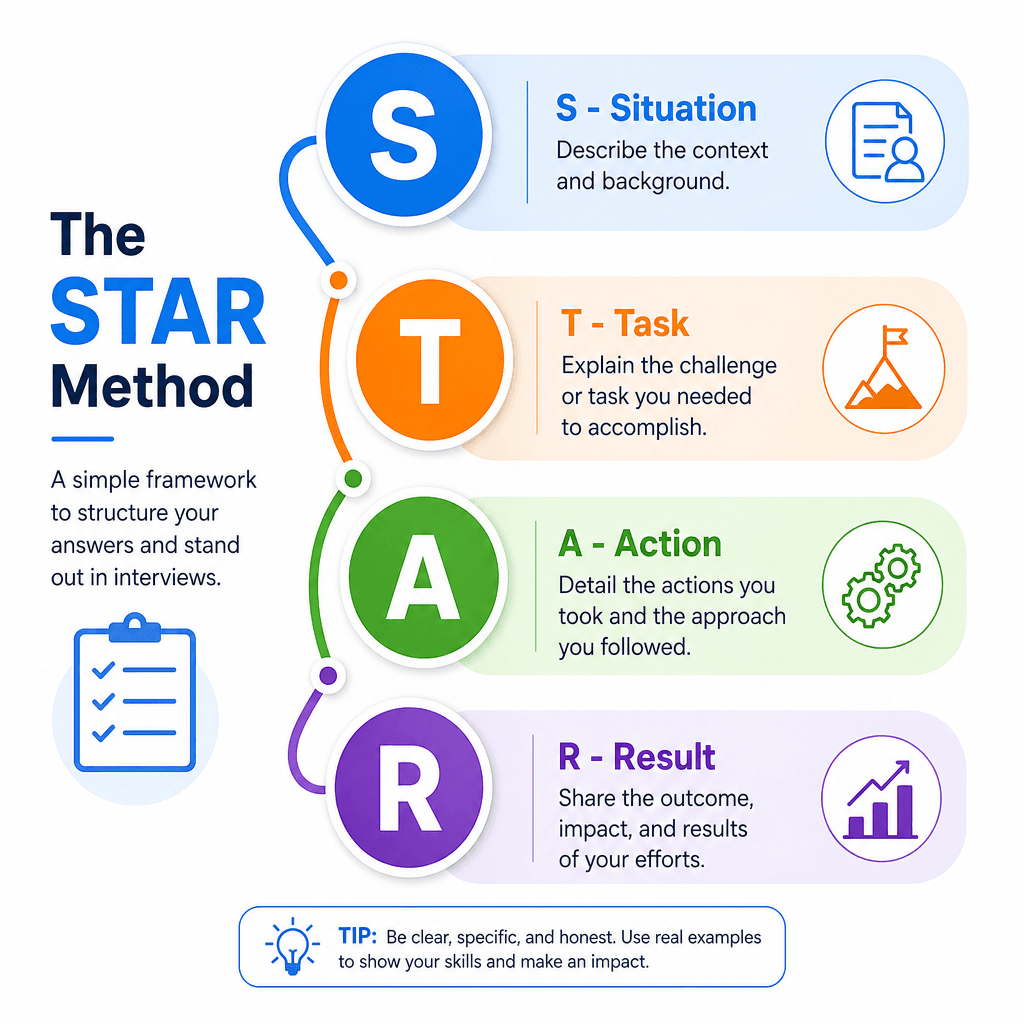
If you come from a non-traditional background, do not have a degree from a prestigious university, or are changing careers, the structured format is your ally. It gives you a clear framework to showcase what you actually know and what you have done. The STAR method, which is now the gold standard for CBI responses, allows you to tell a concise, powerful story that focuses on your actions and your impact. You are no longer at the mercy of a hiring manager’s mood or personal bias.
The data backs this up. Because scoring is standardized, candidates from underrepresented groups are assessed on the same playing field as everyone else. The reduction in unconscious bias alone makes this system worth adopting. For job seekers who prepare properly, CBIs are a gift. You know exactly what competencies the employer values because they are listed in the job description. You can build an evidence bank of eight to ten STAR stories and adapt them to different questions. It is a game you can study for, and that is infinitely more fair than a system based on vibes.
At Your Career Place, we have watched candidates who previously struggled in traditional interviews absolutely crush competency-based formats once they understood the rules. The structure rewards preparation, and preparation is something anyone can do. The Boomer perspective is that CBIs are democratizing access to opportunity. They are turning hiring into a skills competition rather than a popularity contest.
The Doomer’s Perspective: “This Is Just Bureaucracy Dressed Up as Fairness”
The pessimist sees something very different. They see a system that has become so rigid, so optimized, and so automated that it strips away the human element entirely. When every answer is scored on a rubric, when AI platforms transcribe and rate your responses in real time, and when interviewers are trained to treat deviations from the script as red flags, you are no longer a person being evaluated. You are a data point being processed.
The STAR method, for all its usefulness, can become a cage. Candidates who over-rehearse their stories sound like they are reading from a script. Employers are now trained to look for this and will aggressively probe to expose rehearsed answers. The irony is brutal: the system tells you to prepare, but if you sound too prepared, you are penalized for being inauthentic. The goalposts move constantly, and the candidate is never told where they stand.
Then there is the technology problem. AI-assisted screening means you might be rejected before a human ever sees your resume. Interview intelligence platforms can map your answers to a rubric, but they cannot measure creativity, integrity, or moral courage. The competencies that get prioritized are the ones that are easiest to score, not necessarily the ones that matter most. Empathy, resilience, and ethical judgment are harder to quantify than problem-solving speed, so they get less weight in the scoring rubric even though they might be the most important traits for the actual job.
The compressed timeline is another nightmare. When roles are filled in seven to ten days, candidates who need time to research the company, prepare thoughtful STAR stories, or negotiate their compensation are at a disadvantage. The system is designed for speed and efficiency, which benefits employers and hurts candidates who need to make careful, informed decisions.
And let us not forget the feedback gap. Despite 94% of candidates saying they want feedback after interviews, most employers still ghost applicants or send generic rejection emails. Even in a system built on structured scoring, the scores are rarely shared. The Doomer would argue that CBIs are a bureaucratic veneer for a power imbalance that remains fundamentally unchanged. The employer holds all the data, the rubric, and the decision-making power. You are just another applicant being fed through an algorithm.
Key Takeaways for Job Seekers
Whether you are a Boomer or a Doomer about competency-based interviews, the reality is that this is the system you are operating in. Your Career Place has helped thousands of candidates navigate this landscape, and here are the non-negotiable lessons for 2026:
1. Deconstruct the job description like a puzzle. The competencies you need to prove are right there in the posting. Identify the top four and prepare at least two distinct STAR stories for each one. Label them by competency so you can adapt quickly during the interview.
2. Master the STAR method, but do not sound like a robot. Spend 10% of your answer on Situation, 10% on Task, 60% on Action, and 20% on Result. Use “I” not “we.” Quantify outcomes whenever possible. But practice enough that you can deliver naturally, not mechanically.
3. Build an evidence bank of eight to ten stories. Draw from work, academic projects, volunteer experiences, or even personal challenges. The best candidates have a library of examples they can adapt on the fly.
4. Be ready for deep probes. Interviewers will ask follow-ups to test whether you are reciting a script. Prepare for questions about your thought process, your motivations, and what you would do differently next time.
5. Ask intelligent, competency-aware questions. At the end of the interview, ask about the primary challenges in the first 90 days or how success is measured for the role. This signals commercial awareness and shows you are thinking like a stakeholder, not just an applicant.
6. Use AI tools to practice, but be human in the room. AI coaching platforms are excellent for simulating timing and catching filler words. But when you are in the actual interview, your authenticity, your energy, and your ability to connect are still your biggest differentiators.
Competency-based interviews are not going anywhere. They are becoming more entrenched, more automated, and more central to how companies hire. Your job is not to fight the system. Your job is to understand it, prepare for it, and win it. That is exactly what Your Career Place is here to help you do.